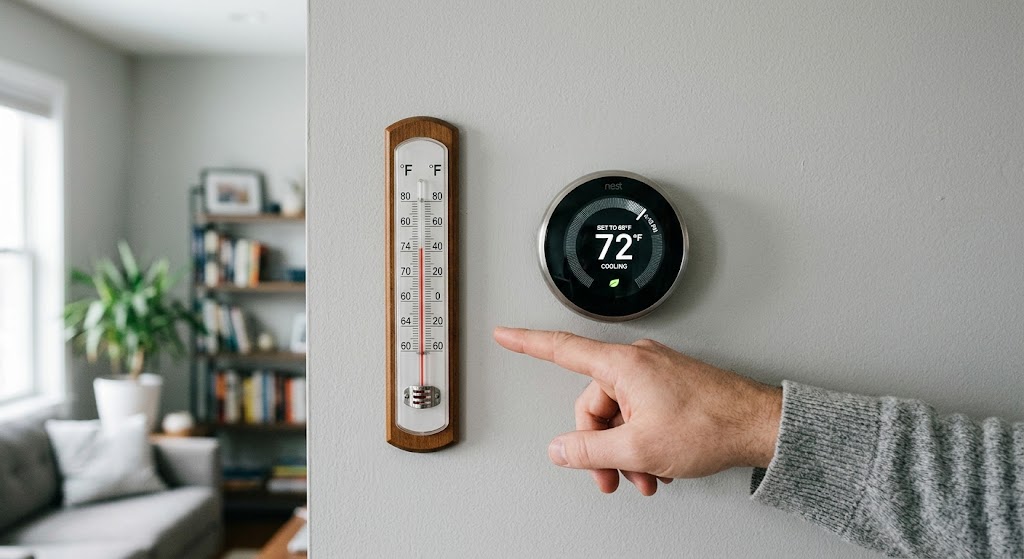
How to Recalibrate Smart Thermostat Temperature Offset Sensors
Learn how to verify a smart thermostat temperature error, apply the right offset, and fix placement problems before they waste comfort or HVAC energy.
11 min read · Aug 25, 2026
Independent eco-tech editorial
Practical guides and tested ideas for automation, energy efficiency, and modern city living.

Learn how to verify a smart thermostat temperature error, apply the right offset, and fix placement problems before they waste comfort or HVAC energy.
11 min read · Aug 25, 2026

Aug 22, 2026 · 11 min read
Aug 18, 2026 · 14 min read
Explore by topic
Each hub connects foundational explainers, comparisons, reviews, and practical guides into a clear learning path.
Cut waste, improve comfort, and understand the systems behind your home energy use.
Build automations that remain reliable, understandable, and useful over time.
Make small spaces more comfortable and efficient without overcomplicating them.
Choose devices for real-world reliability and fit—not feature-list hype.
Latest from the lab

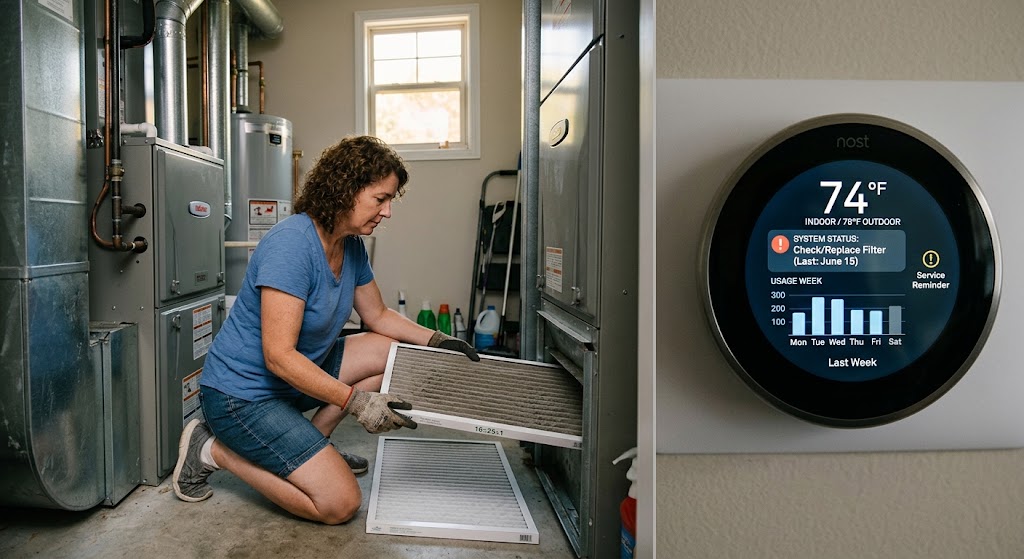
Use your smart thermostat's runtime, filter reminders, temperature sensors, and system alerts to close out cooling season and prepare HVAC equipment for fall.

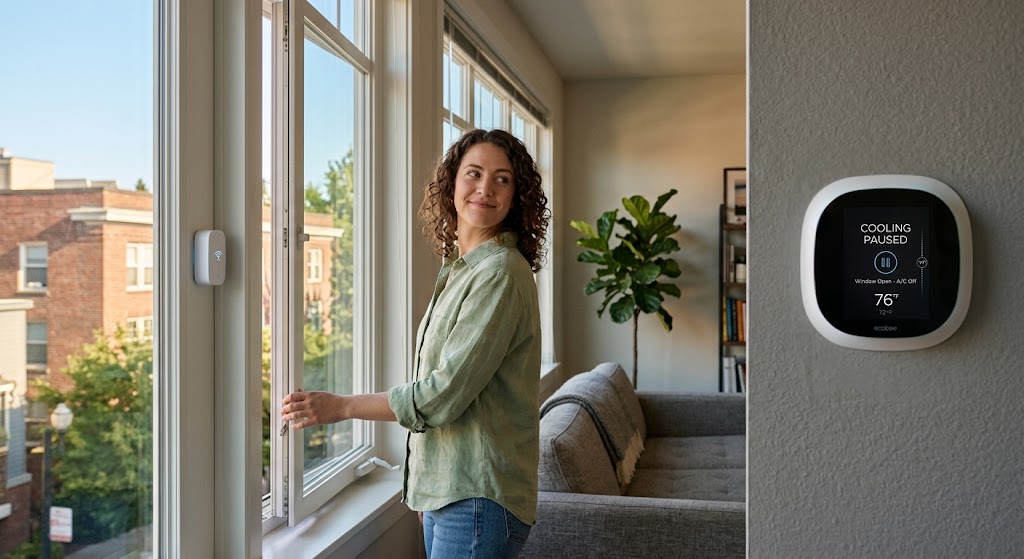
Use window contact sensors to pause cooling only after a window stays open, then restore the previous HVAC state safely after every monitored window is closed.

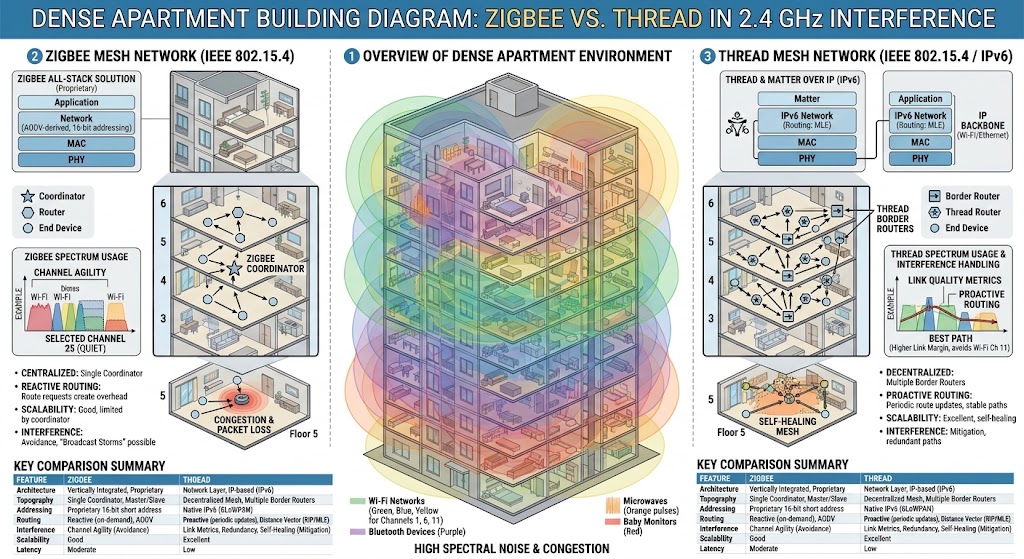
Zigbee and Thread share the same low-power 2.4 GHz radio foundation, so dense-apartment reliability depends more on RF congestion, mesh topology, and infrastructure than protocol branding.

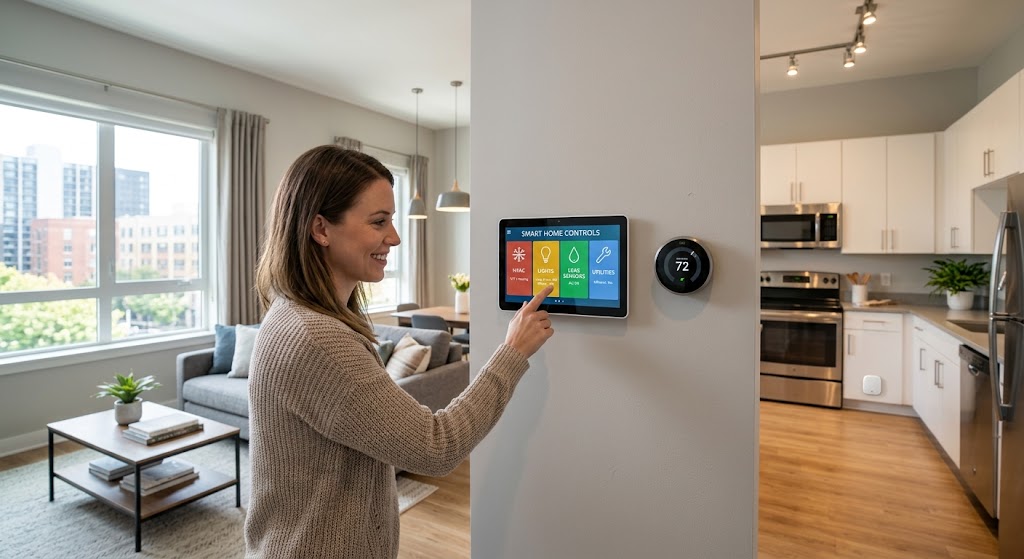
Prioritize rental upgrades that reduce operating costs, prevent damage, and improve tenant convenience without overbuilding a fragile smart-home stack.

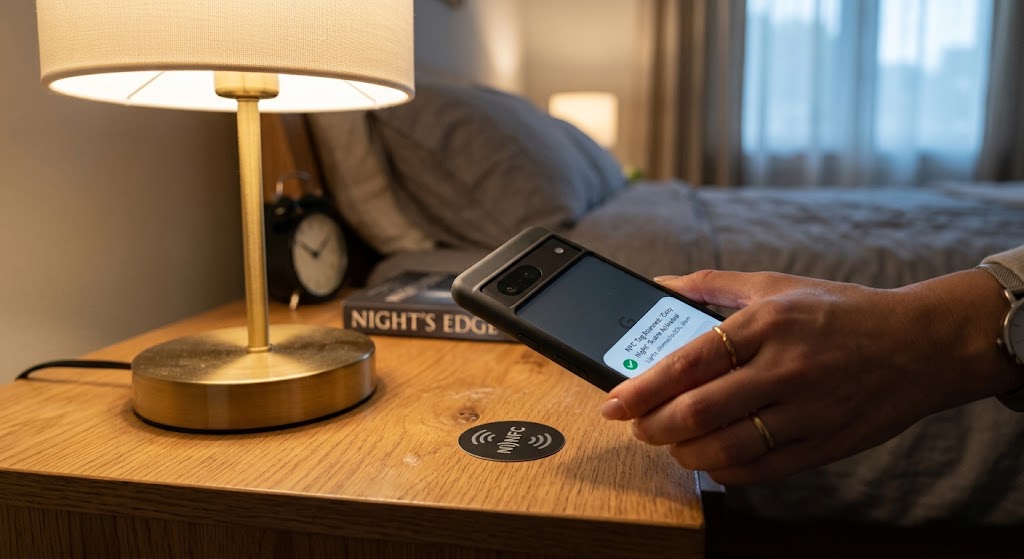
Use inexpensive NFC tags as intentional one-touch lighting controls for bedside scenes, entryways, desks, and whole-home off routines without adding wall switches.

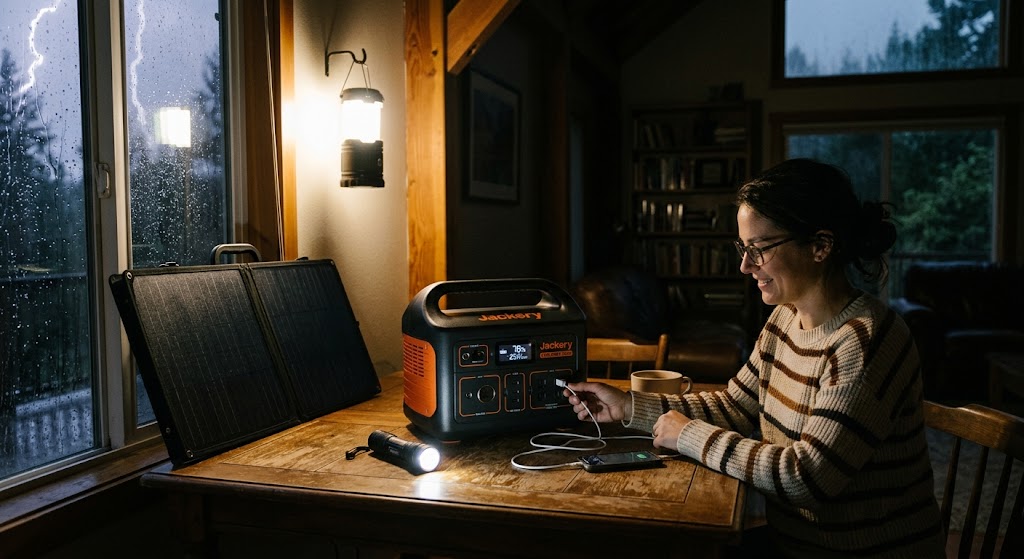
Learn how to size and safely use a portable battery power station with solar charging for storm outages, from watt-hours and surge loads to refrigerators and recharge planning.

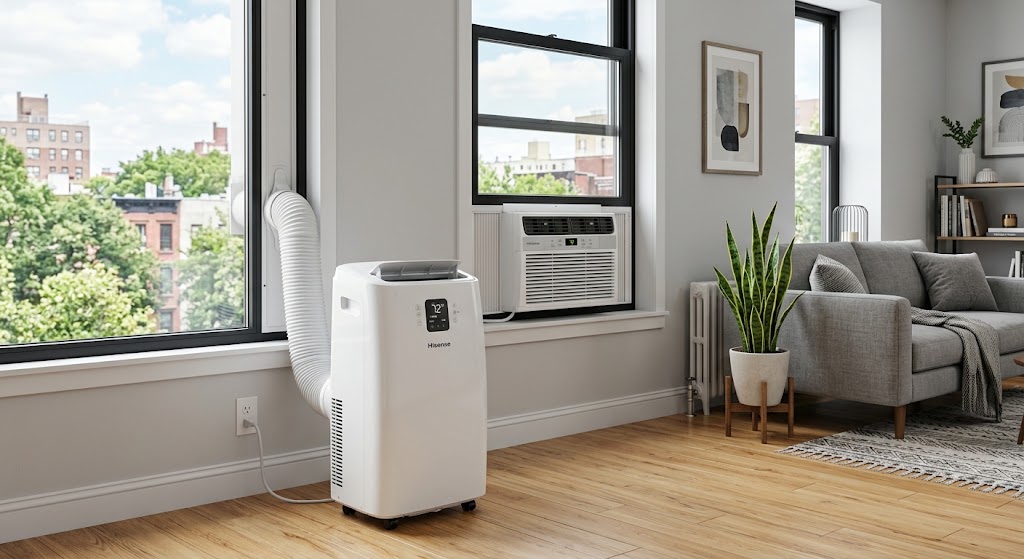
Window ACs usually win on cooling efficiency, while portable smart ACs win on installation flexibility; noise depends heavily on compressor and airflow design.

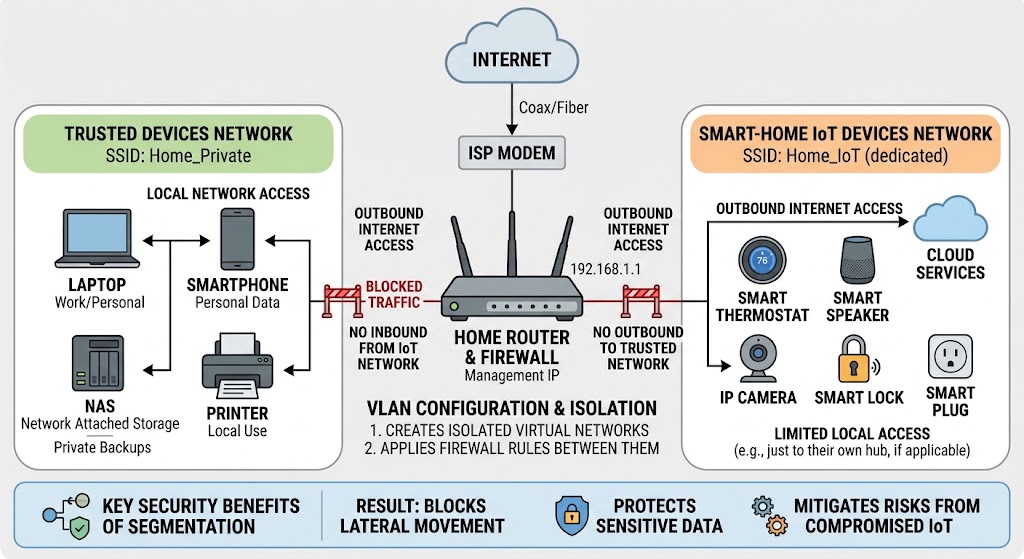
A guest Wi-Fi can isolate smart-home devices from laptops and personal data, but strict isolation may break Matter, casting, HomeKit, and local automation.

Build hallway lighting that turns on only when needed, stays dim at night, and avoids the annoying false-offs common with basic motion automations.

Fingerprint locks are faster for regular residents, while keypad locks are easier to share; apartment buyers should prioritize fallback access, lease rules, and lock quality.

Build useful under-cabinet lighting automations with plug-in LED strips, removable mounting, motion sensing, and renter-safe controls.

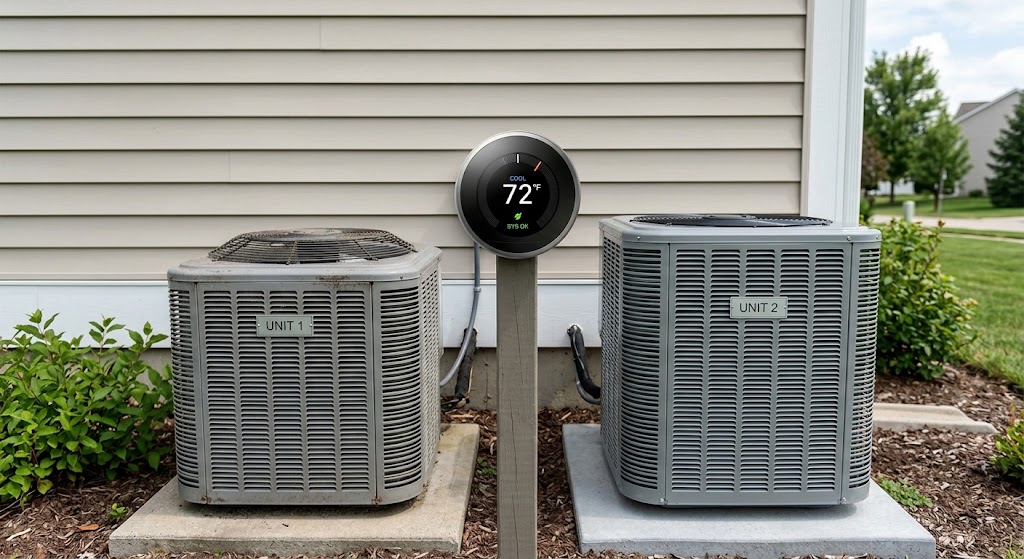
Multi-zone HVAC works best when thermostats, zone controls, sensors, and equipment capacity cooperate instead of fighting each other.

Energy monitoring can reveal abnormal refrigerator power patterns before a breakdown, but it works best as an early-warning tool rather than a motor-failure diagnosis.

Before a holiday trip, tighten smart garage security with instant alerts, scheduled closing, temporary access, account protection, and a simple pre-departure test.

Set up a smart hose timer and drip irrigation for balcony vegetables without overwatering pots, wasting water, or creating runoff problems for neighbors below.

Choose the right outdoor smart plug for patio lighting by comparing weather resistance, Matter support, dimming, schedules, outlet control, and safety.

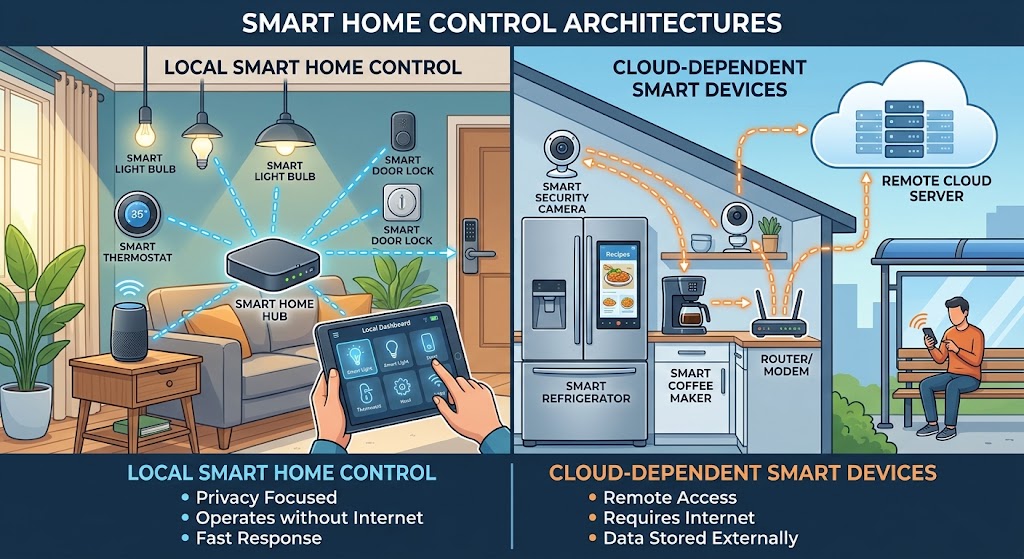
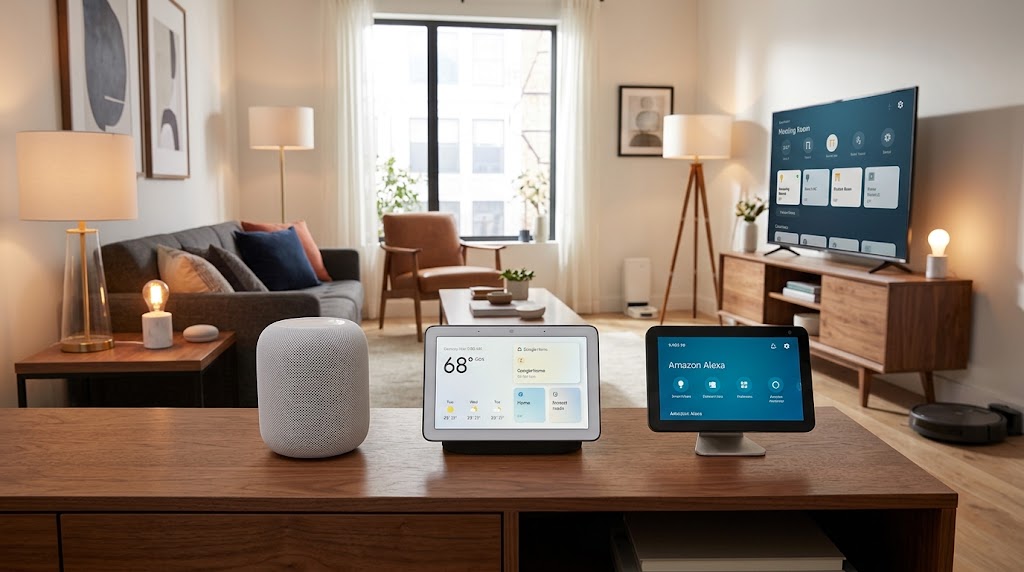
Compare local smart home hubs with Apple Home, Google Home, Alexa, and other cloud ecosystems to choose the right setup for a small studio apartment.

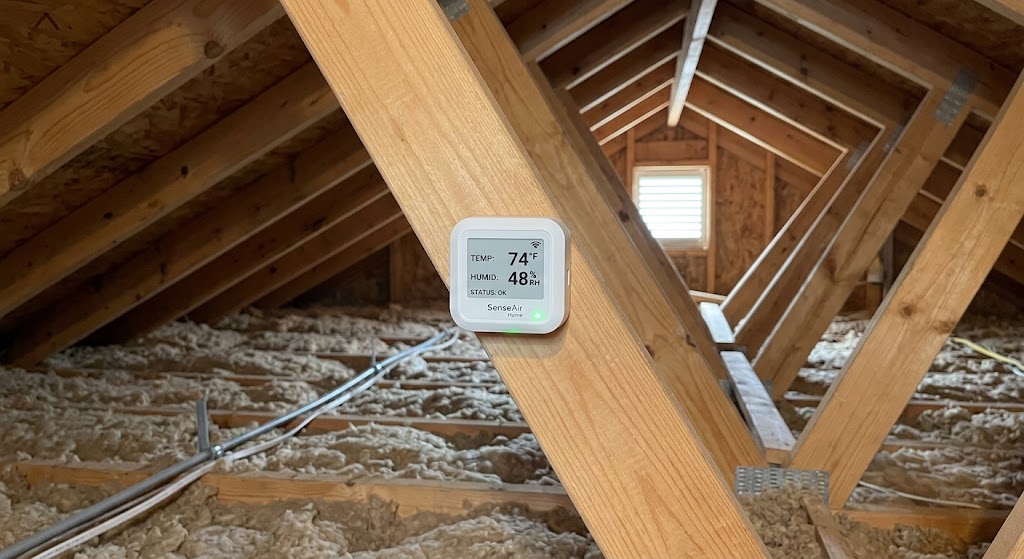
Use smart humidity sensors to catch attic moisture trends before autumn rain exposes roof leaks, condensation, air leakage, or ventilation problems.

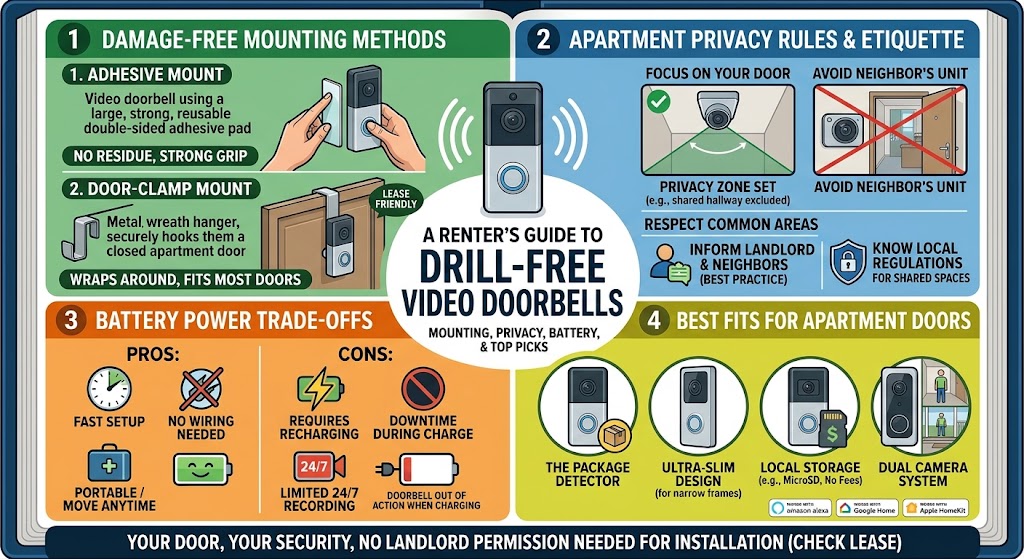
A renter-focused guide to drill-free video doorbells, mounting methods, privacy rules, battery trade-offs, and the best fits for apartment doors.

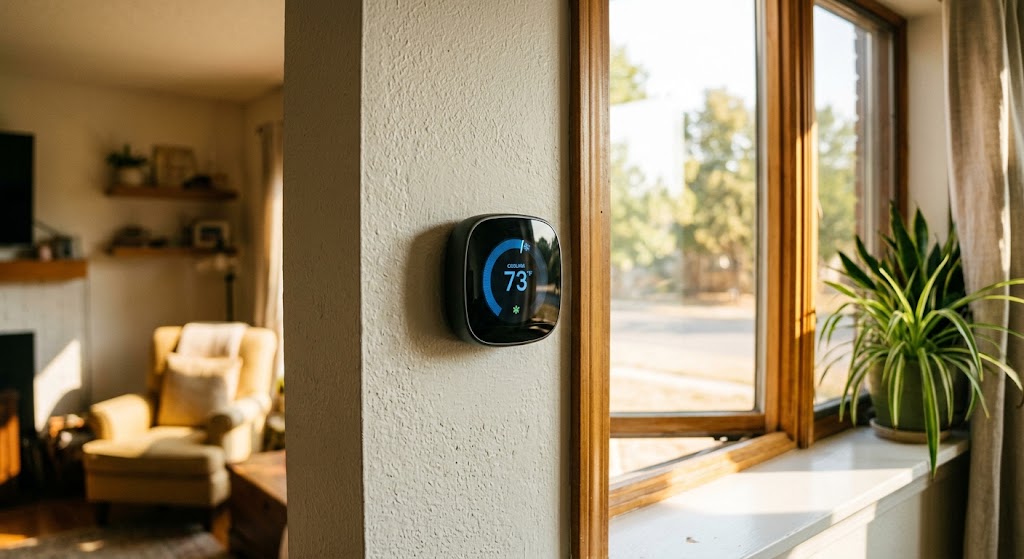
Learn how to verify a smart thermostat temperature error, apply the right offset, and fix placement problems before they waste comfort or HVAC energy.

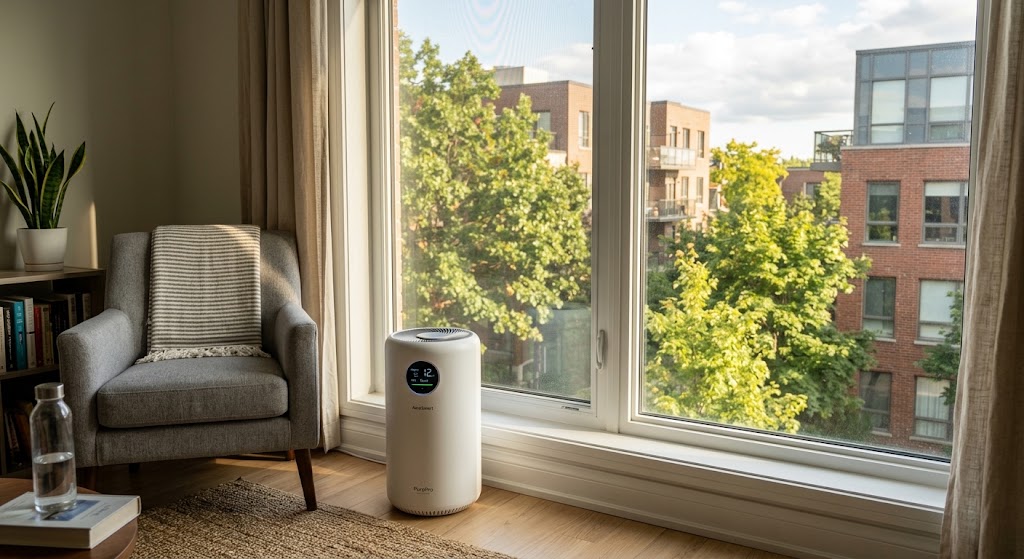
Choose and automate a smart air purifier for late-summer ragweed and pollen using the right CADR, room size, schedules, and filtration strategy.

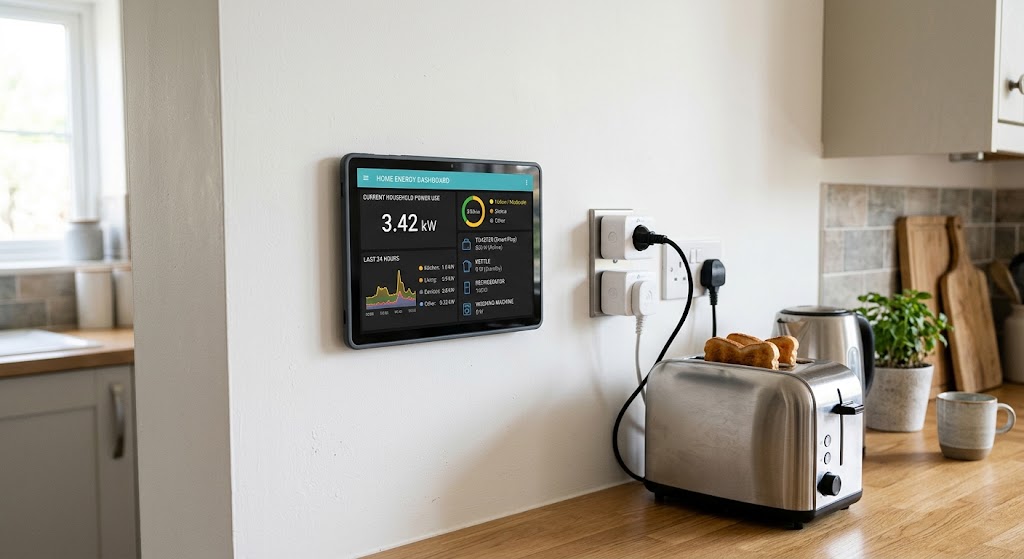
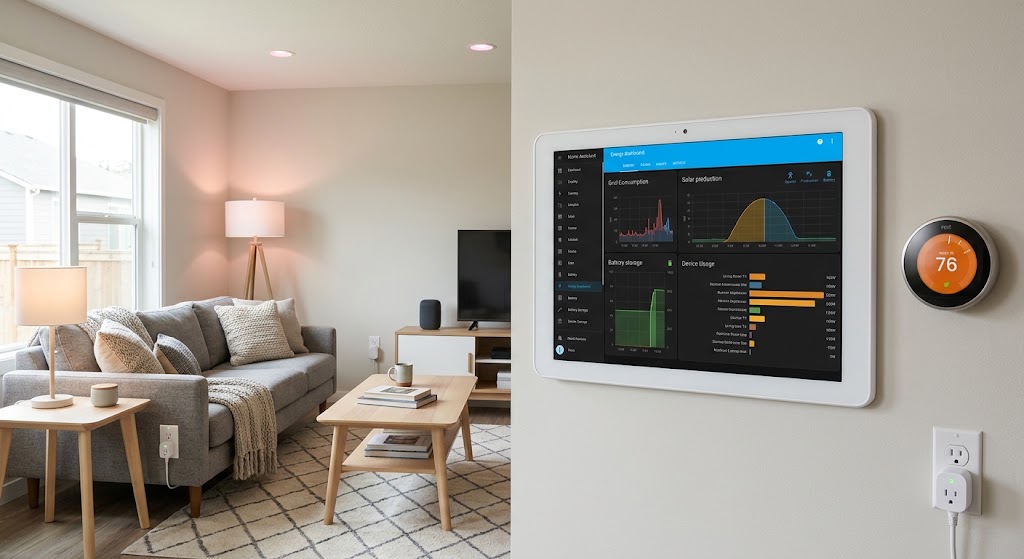
Build a Home Assistant power dashboard that shows live household watts, appliance loads, short-term trends, and daily energy without confusing W with kWh.

Tune a smart irrigation schedule for late summer by matching watering volume to weather, soil moisture, plant needs, and seasonal changes instead of leaving peak-summer runtimes unchanged.

Set up a smart lock for college roommates with separate access, safer admin permissions, guest codes, move-out rules, and reliable backup entry.

Set ceiling fans for fall without climbing a ladder: learn which smart fans can reverse from an app, what can be automated, and the safest seasonal setup.

The best smart blinds for west-facing windows combine automation with heat-blocking materials that reduce afternoon solar gain without making rooms permanently dark.

A renter-focused guide to choosing Matter smart plugs in 2026, including Wi-Fi vs Thread, energy monitoring, load limits, and the best current options.

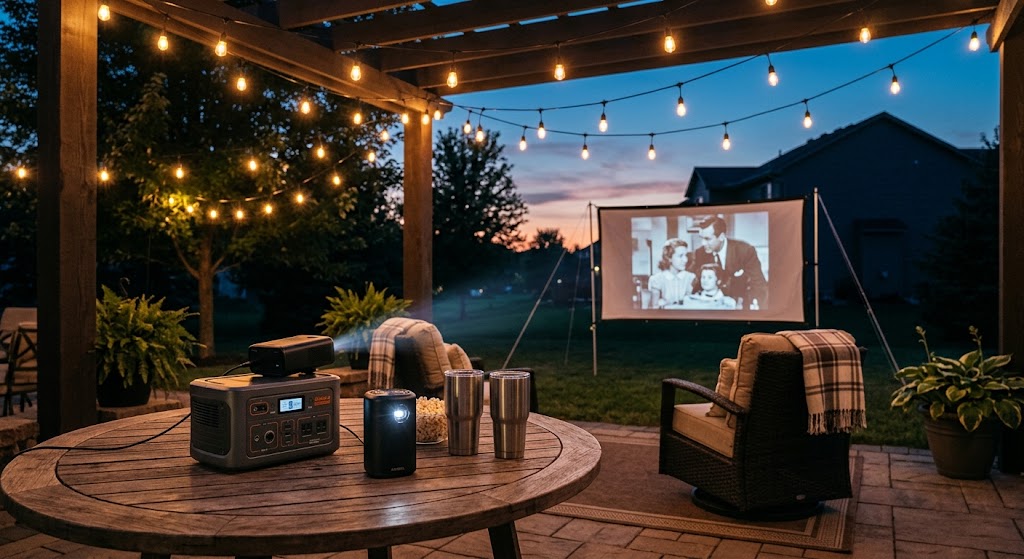
Plan a reliable patio movie night by sizing a portable power station for your projector, speakers, streaming gear, and late-summer heat.

Measure appliance electricity use before a tariff change so you can identify costly loads, estimate their real monthly cost, and cut waste with better data.

A renter-focused guide to choosing removable camera mounts that balance wall protection, camera stability, viewing angle, and safe removal.

Use smart thermostat geofencing without leaving kids, parents, or caregivers uncomfortable when back-to-school schedules change from day to day.

Keep solar garden lights running longer through autumn by improving sunlight exposure, cleaning panels, managing brightness, and replacing batteries correctly.

Use smarter cooling schedules, sensible setpoints, humidity control, room sensors, and maintenance checks to stay comfortable during late-summer heatwaves without wasting energy.

A renter-friendly move-in plan for building a useful smart home with portable devices, removable mounts, safer privacy settings, and no permanent wall changes.

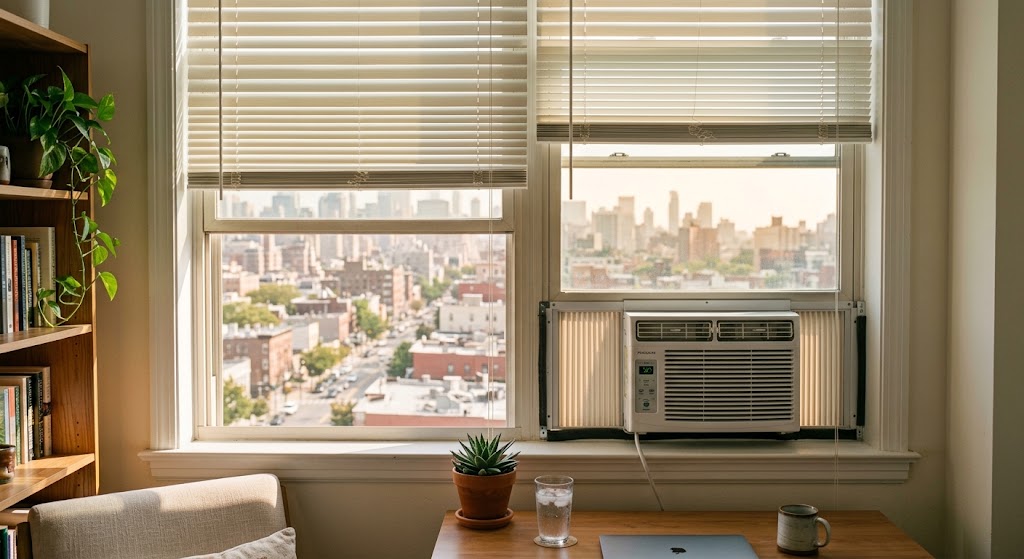
Lower your August cooling bill with practical window AC fixes, smarter settings, and airflow tricks that reduce waste without sacrificing comfort.

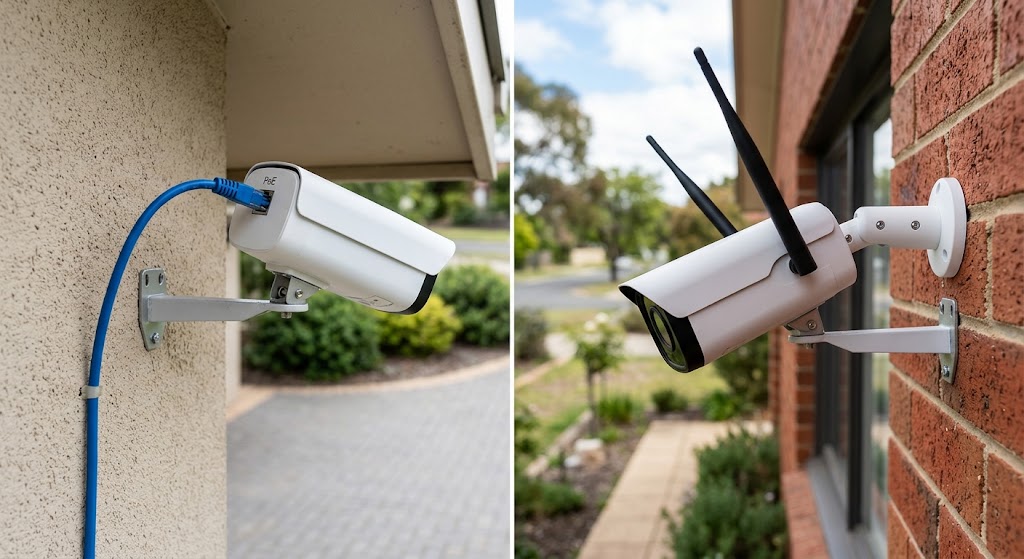
PoE cameras usually deliver the most predictable always-on connection, while Wi-Fi cameras are faster and less invasive to install. Here is how the two approaches compare.

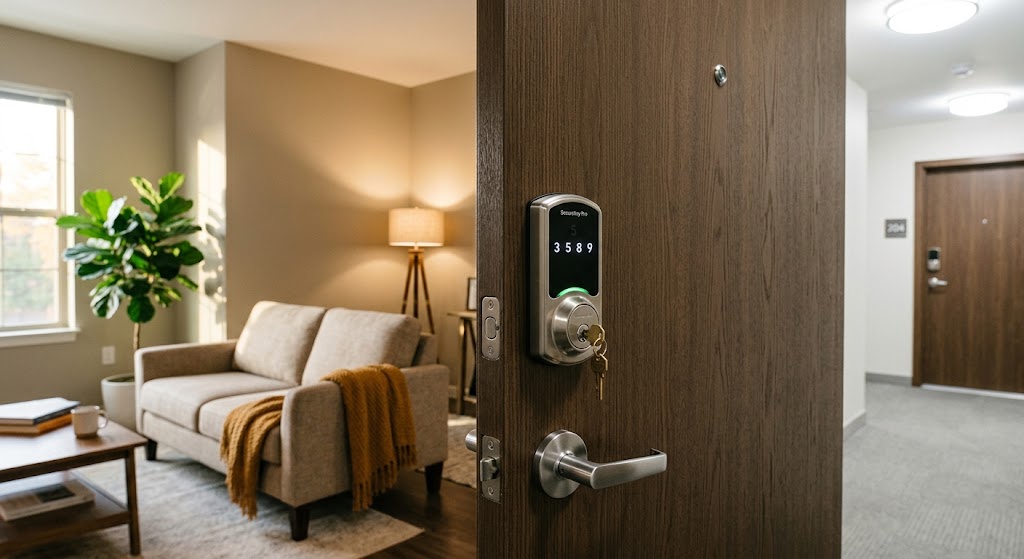
The best renter smart locks retrofit the inside of your existing lock so the exterior cylinder and landlord’s physical key can keep working. Here are the strongest US and EU options.

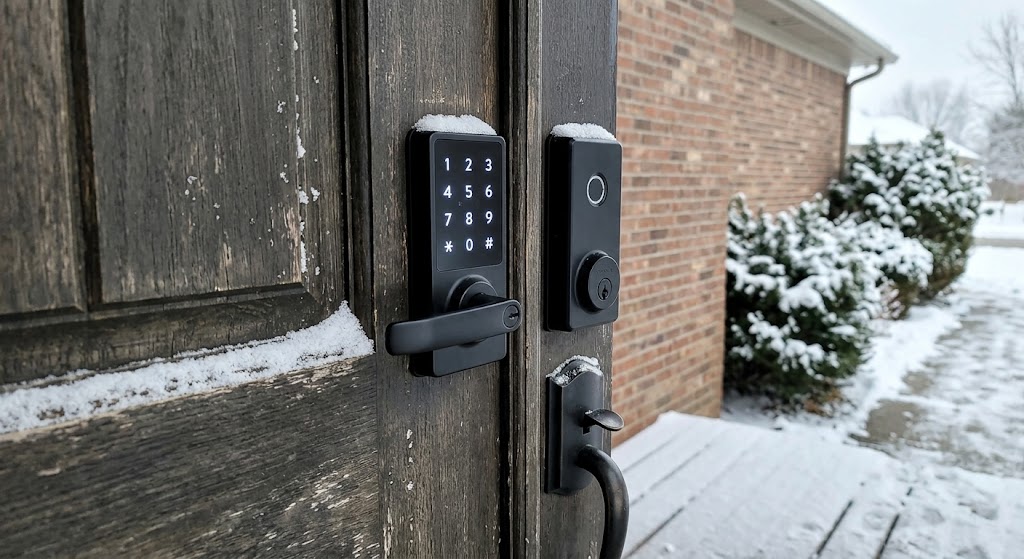
Fingerprint smart locks are fast and convenient, but keypad locks are usually the more dependable cold-weather choice because they do not rely on biometric image quality.

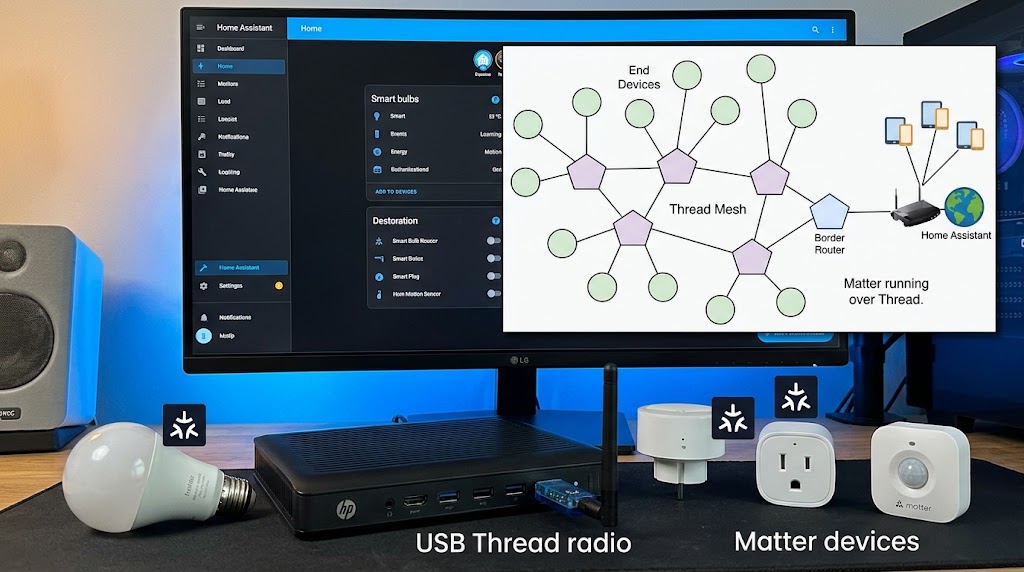
SkyConnect can power a Home Assistant Thread network for Matter-over-Thread devices, but Matter and Thread are different layers—not two radio modes. Here is the correct 2026 setup.
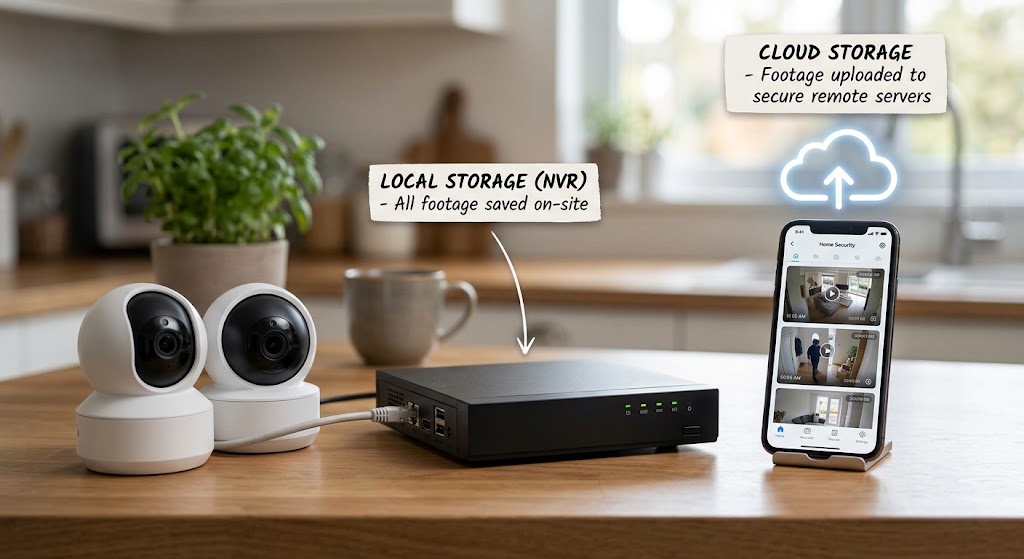
Local security cameras cost more upfront but can eliminate years of cloud fees. Here is the real 2026 cost breakdown for local NVR, HomeBase, microSD, Ring, Arlo, and eufy cloud plans.
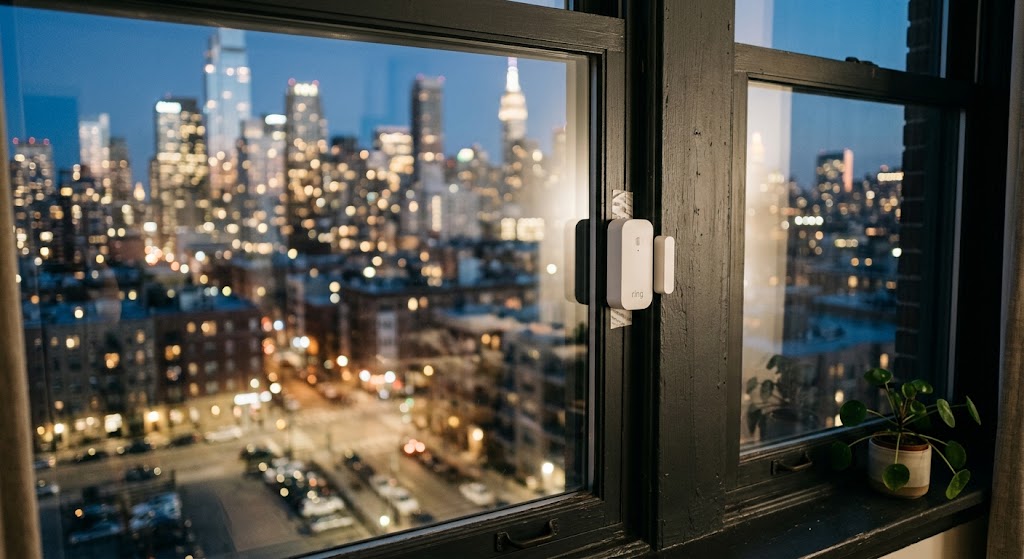
Smart contact sensors can add renter-friendly window alerts and automations without drilling, but placement, adhesive choice, hub requirements, and account security all matter.

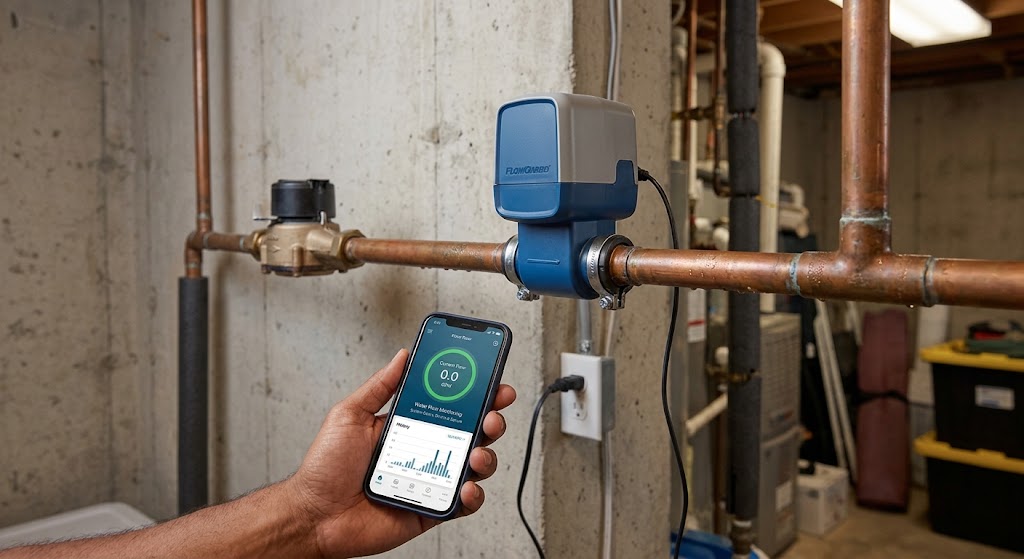
Smart water shutoff valves can automatically stop a major plumbing leak before it becomes a catastrophic claim—and some insurers reward that risk reduction with policy discounts.

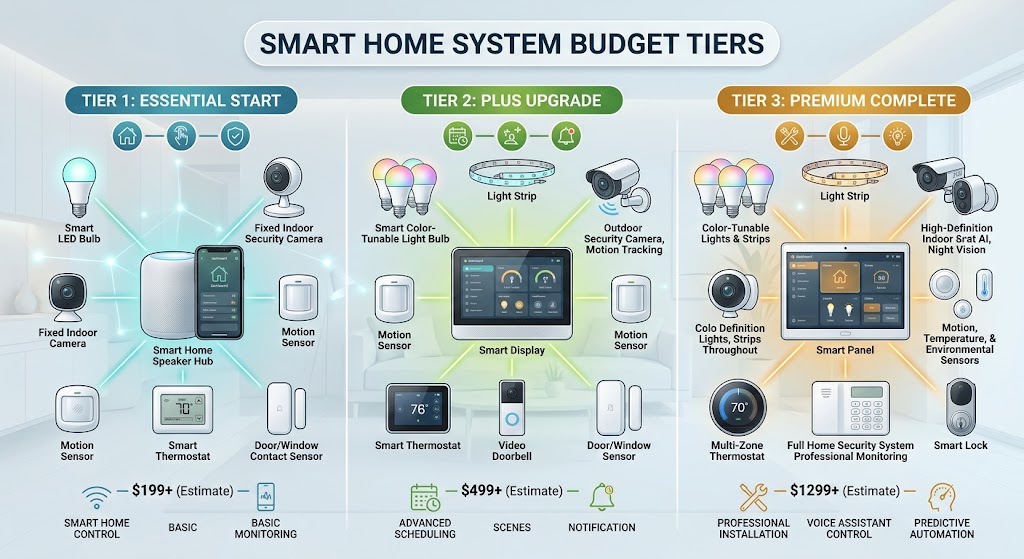
Three practical 2026 smart-home builds for $500, $1,500, and $5,000, with current pricing, local-first architecture, Matter/Zigbee/Thread strategy, security, safety, and upgrade priorities.
These five Home Assistant automations target the biggest sources of avoidable household energy use: HVAC runtime, unnecessary lighting, standby loads, expensive tariff windows, and solar heat gain.

Home Assistant lets you run automations, dashboards, and device control on hardware inside your home. This beginner guide shows the cleanest 2026 path to a private, local-first setup.
Cloud features are useful, but your lights, locks, sensors, and core automations should not stop working when the internet or a vendor service fails. Here is how to build a local-first smart home in 2026.

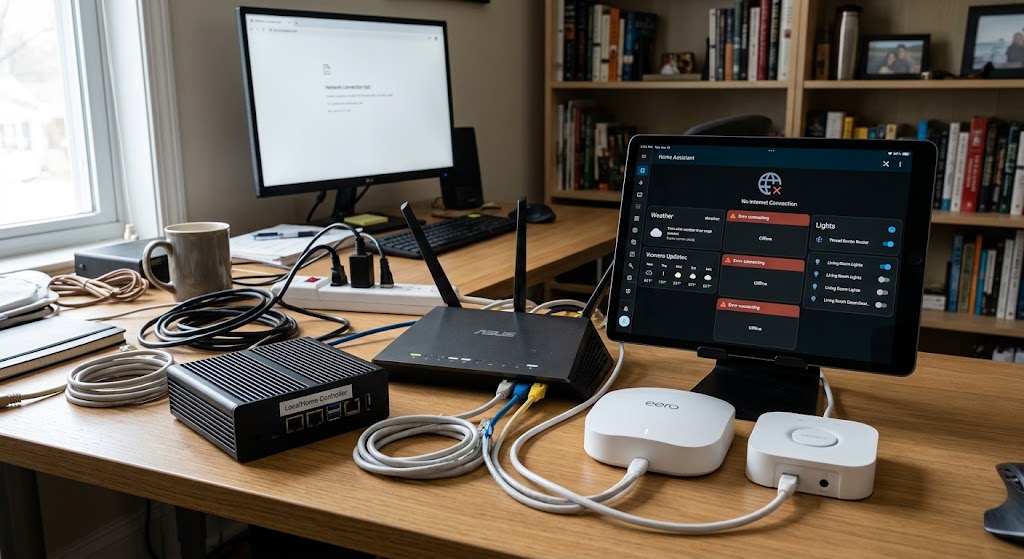
Build a local-first smart home that keeps critical lights, sensors, locks, and automations working during internet outages—and can keep core automations alive even when the Wi-Fi access point itself fails.

Outdoor motion lights that trigger for cats, raccoons, birds, or swaying branches usually need better sensor placement, sensitivity, and detection-zone control rather than a brighter fixture.

Apple Home is the privacy and Apple-integration winner, Google Home has the strongest AI-first smart-home experience with Gemini, and Amazon Alexa remains the broadest hub and device-integration ecosystem. Here is the 2026 breakdown.

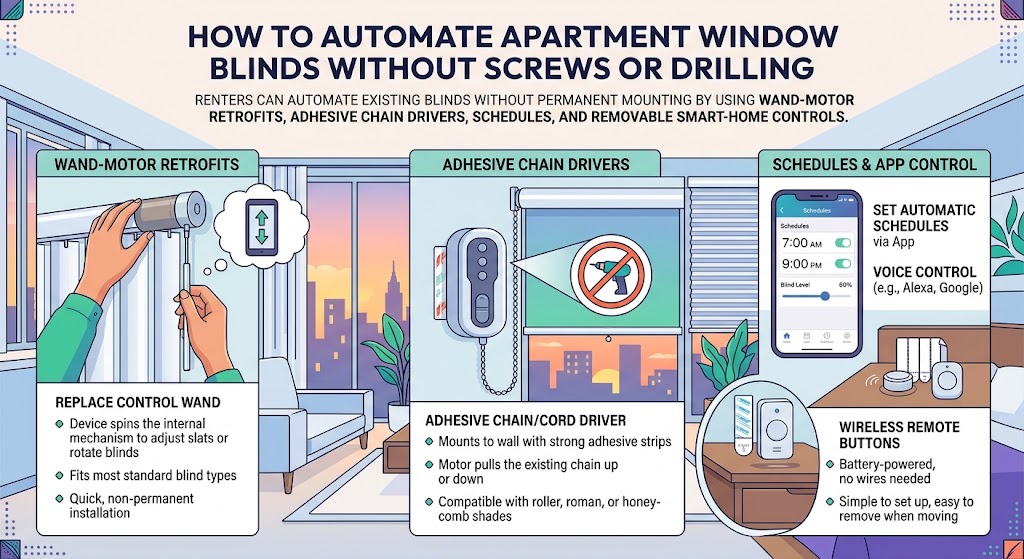
Renters can automate existing blinds without permanent mounting by using wand-motor retrofits, adhesive chain drivers, schedules, and removable smart-home controls.

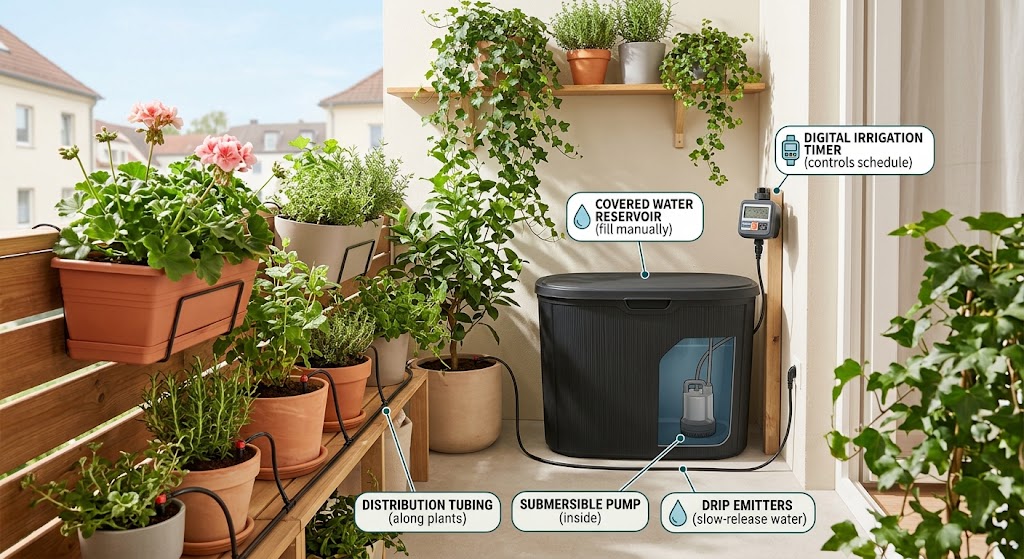
No outdoor faucet? Build a renter-friendly automatic balcony watering system with a covered reservoir, small pump, timer, tubing, and drip emitters.

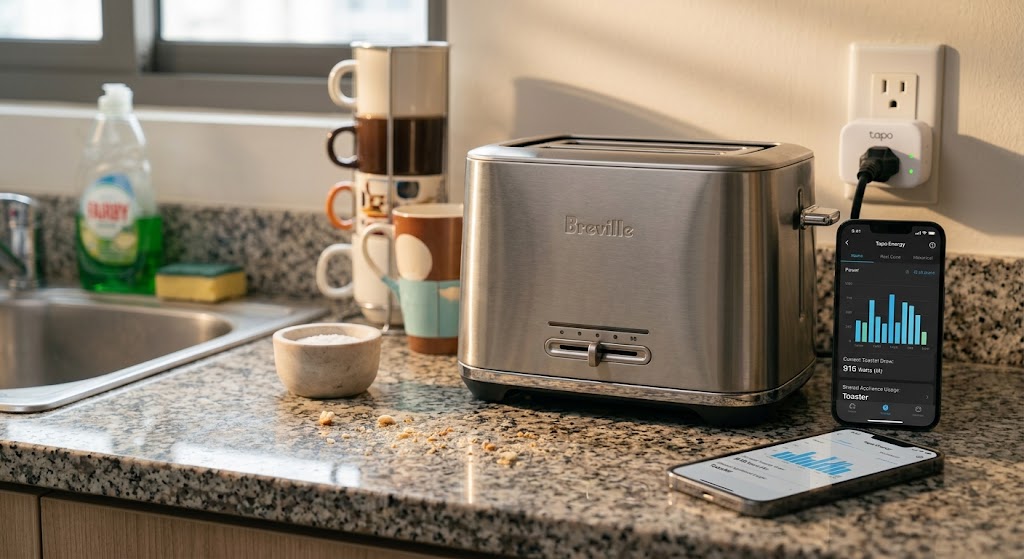
Smart plugs with energy monitoring can show how much electricity individual appliances use in a shared rental. These are the strongest 2026 picks for transparent roommate energy tracking.

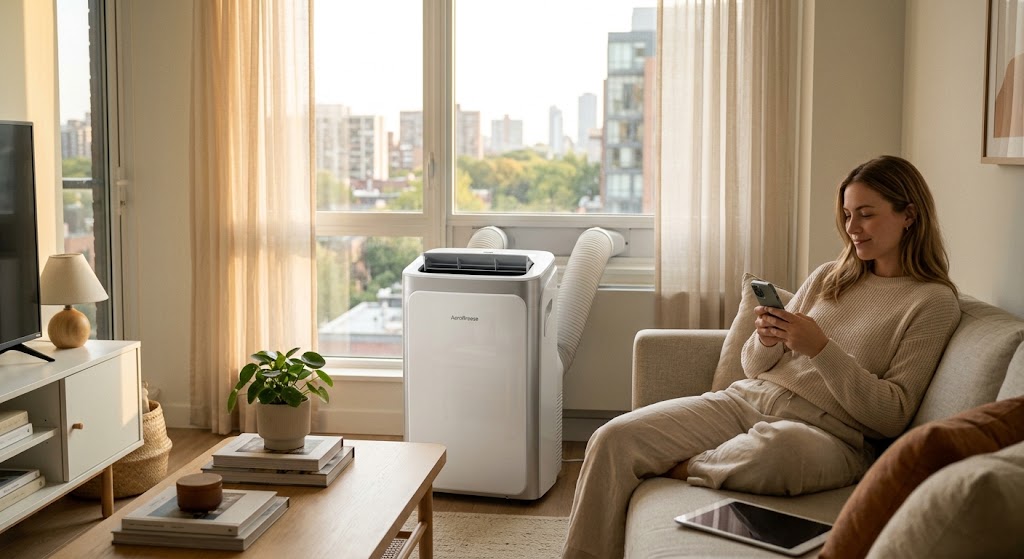
The best portable smart ACs for apartments combine inverter compressors, low published noise, DOE SACC capacity, efficient dual-hose airflow, and useful app controls. Here are the strongest 2026 picks.
The best renter smart locks retrofit the inside of your existing lock so the exterior cylinder and landlord’s physical key can keep working. Here are the strongest US and EU options.

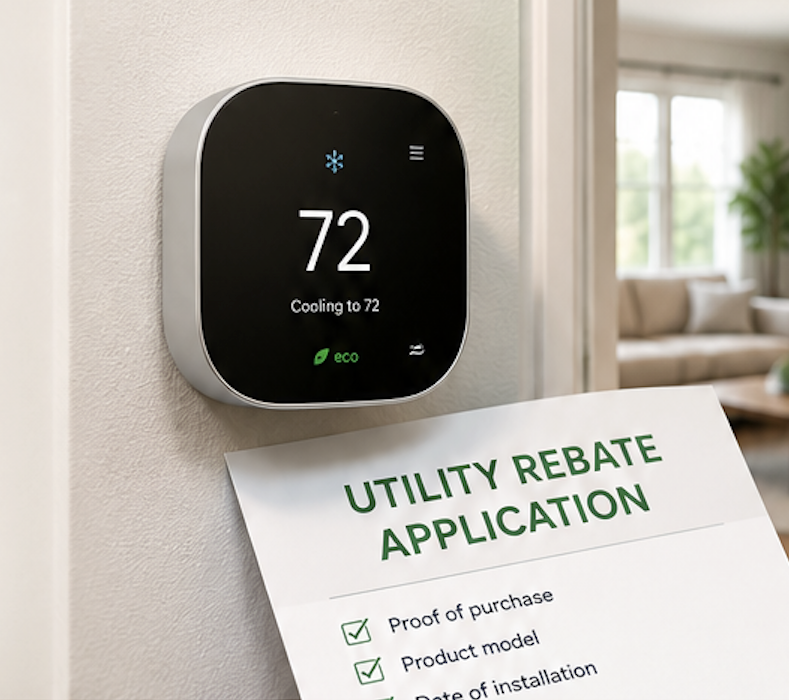
Local utilities often discount ENERGY STAR smart thermostats at checkout or reimburse eligible purchases. Here is how to find, verify, and claim the right 2026 offer.

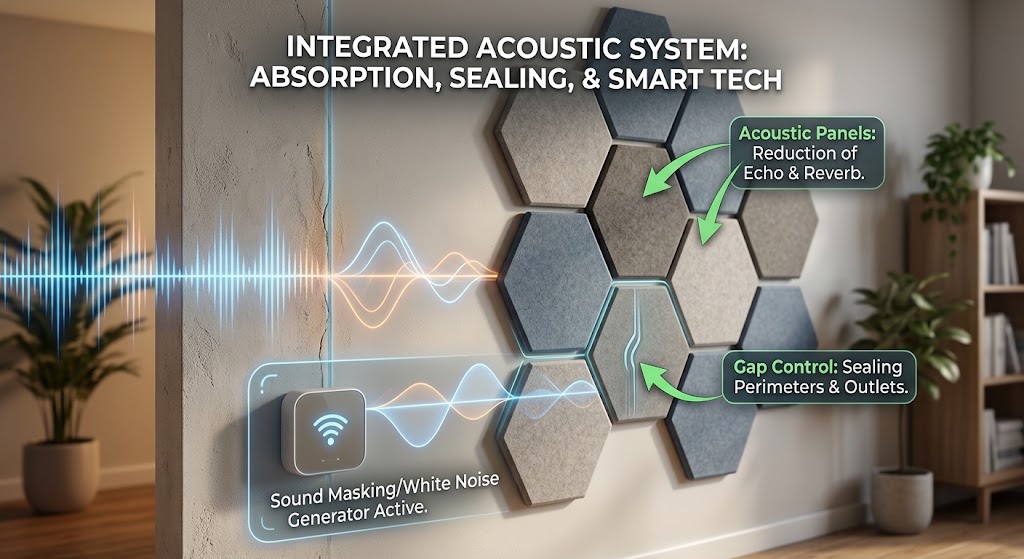
Acoustic panels can reduce echo, but they do not truly soundproof a shared apartment wall. Here is how renters can combine absorption, gap control, sound masking, and smart tech for a noticeably quieter space.
These renter-friendly smart home upgrades add automation, energy savings, safety, and comfort without drilling holes or changing permanent wiring.

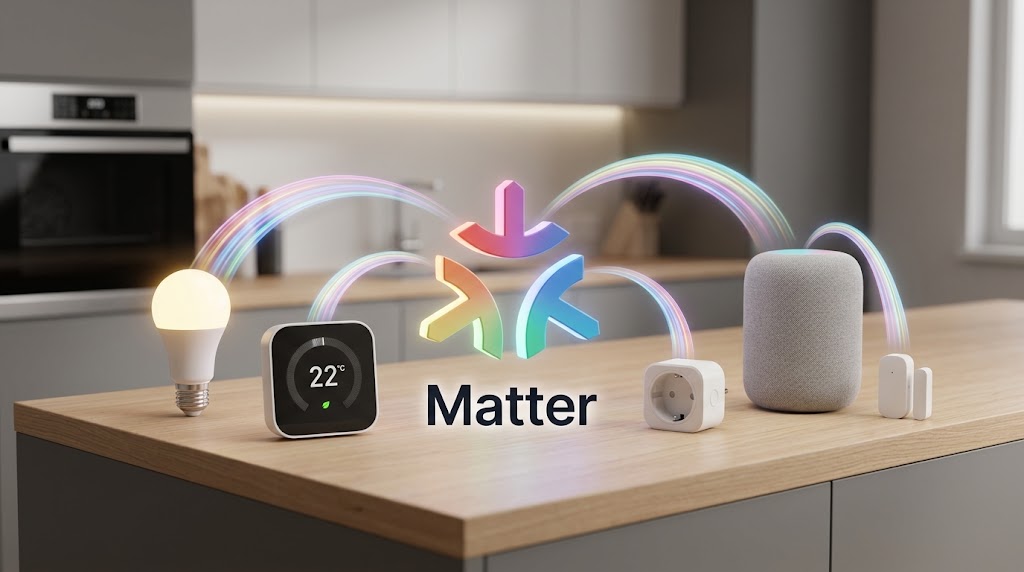
Matter 1.6 is the latest smart-home interoperability standard in 2026. Learn what Matter actually does, how Thread and Wi-Fi fit in, and when you should insist on Matter certification.

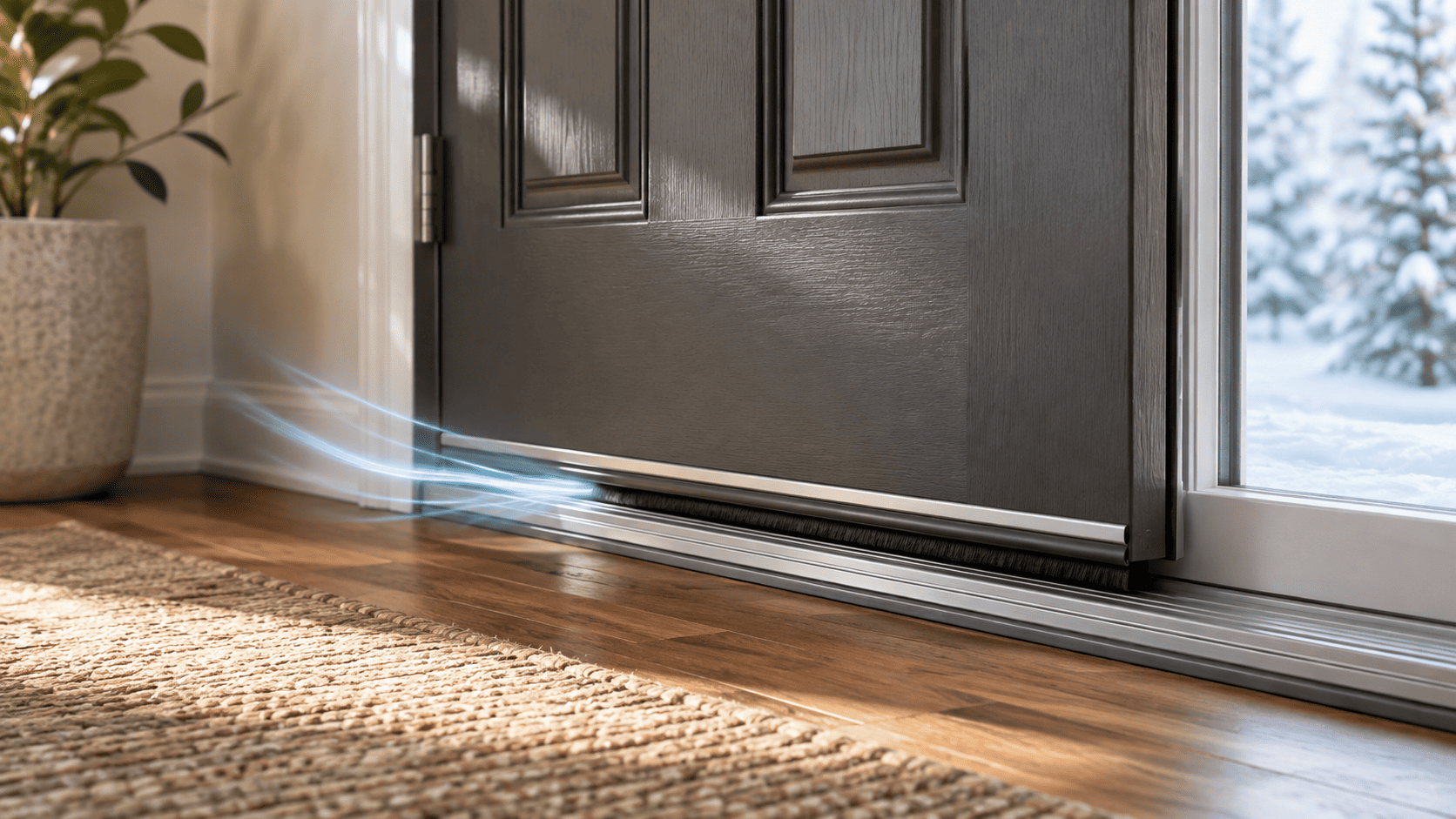
Cold air under an exterior door usually comes from a worn sweep, misadjusted threshold, tired weatherstripping, or unsealed trim. Here is how to fix it without replacing the frame.
Seven overlooked thermostat and HVAC settings can cut wasted heating runtime, reduce expensive backup heat, and improve winter efficiency without replacing your system.

Two-stage HVAC gives a compatible smart thermostat more capacity control, while single-stage systems still benefit from scheduling, sensors, and smarter runtime management.
Build smarter lighting that turns on only when a room is occupied and actually dark. This guide combines motion or presence sensing, ambient lux thresholds, timeouts, hysteresis, and Home Assistant automation logic.
Turn outdoor lights into a coordinated security response. This guide shows how to connect alarm states, door sensors, motion events, cameras, and Home Assistant so perimeter lighting activates only when it should.

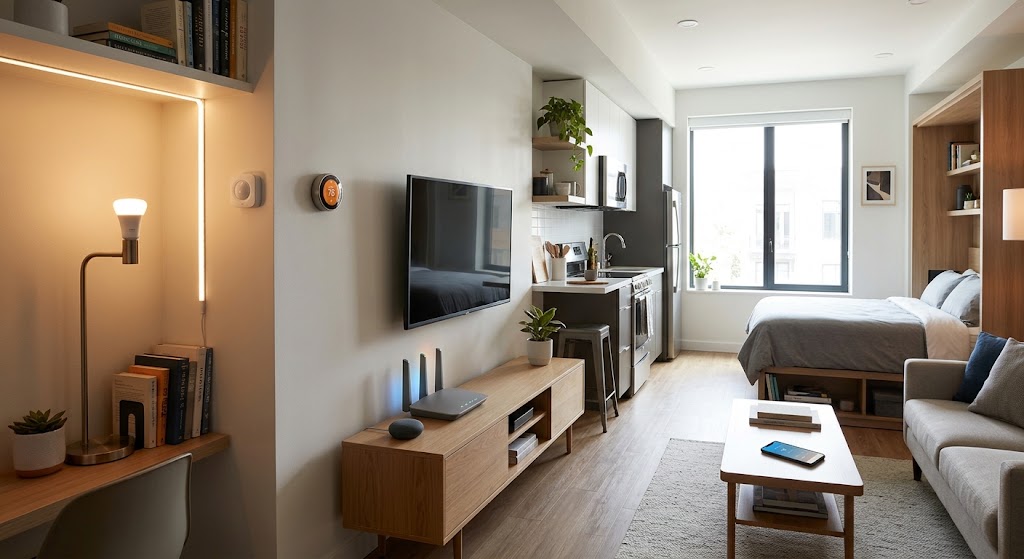
Build a responsive studio-apartment smart home without overloading Wi-Fi by using one well-placed router, Matter over Thread for low-bandwidth devices, and Wi-Fi only where it makes sense.
Prepare your smart home before freezing weather with a practical 10-item checklist covering thermostats, pipes, leak sensors, smoke and CO alarms, outdoor devices, backup power, batteries, automations, and outage testing.

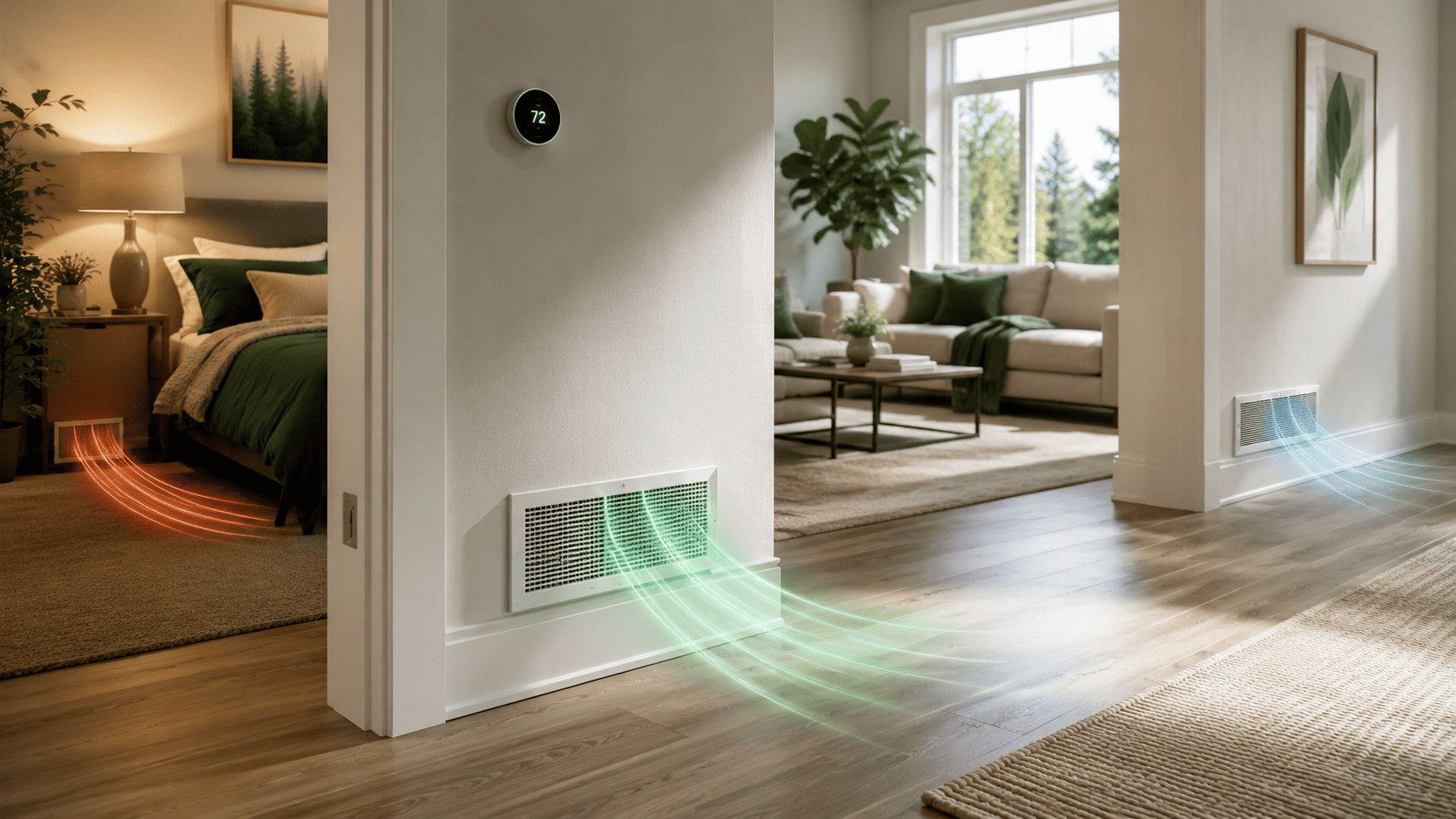
Smart vent covers can improve room-by-room comfort, but their energy savings are less certain than many homeowners expect. Here is how to judge whether they are worth buying.

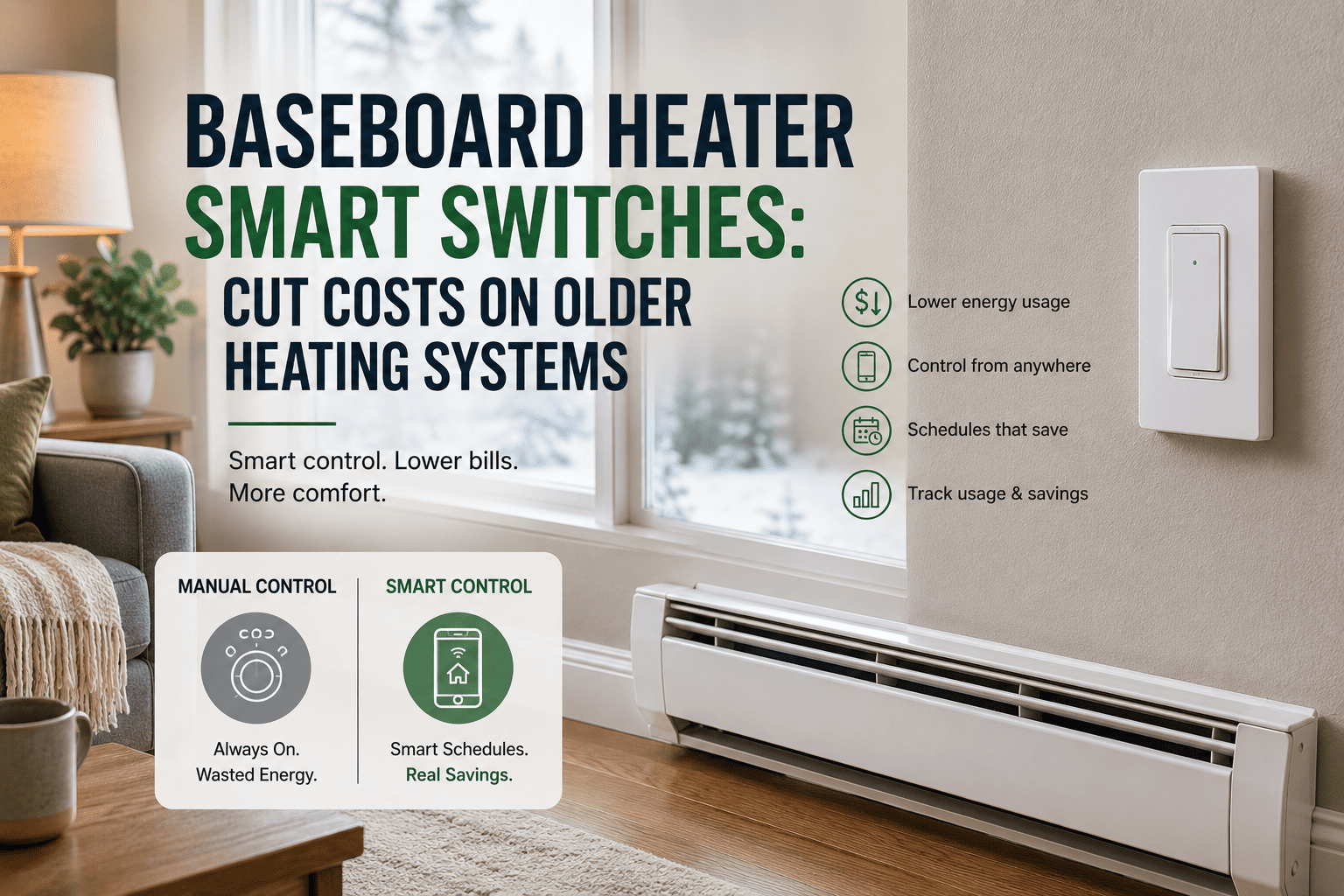
Smart controls can make old electric baseboard heating cheaper to run by scheduling setbacks and controlling rooms independently—but only with the right line-voltage hardware.

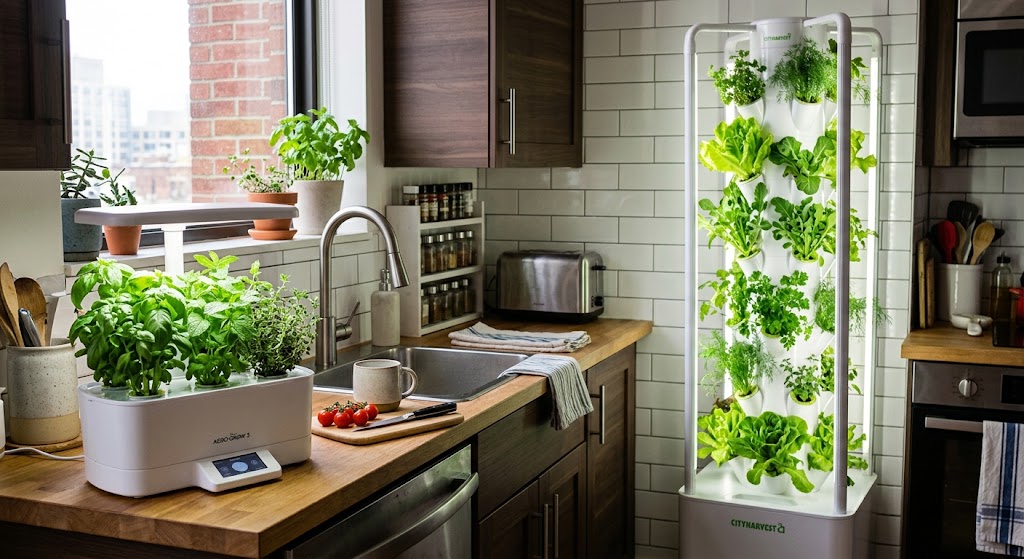
Compact hydroponic gardens can grow herbs and greens year-round without soil. These are the strongest 2026 options for small apartment kitchens, from 3-pod countertop units to vertical 16-plant systems.

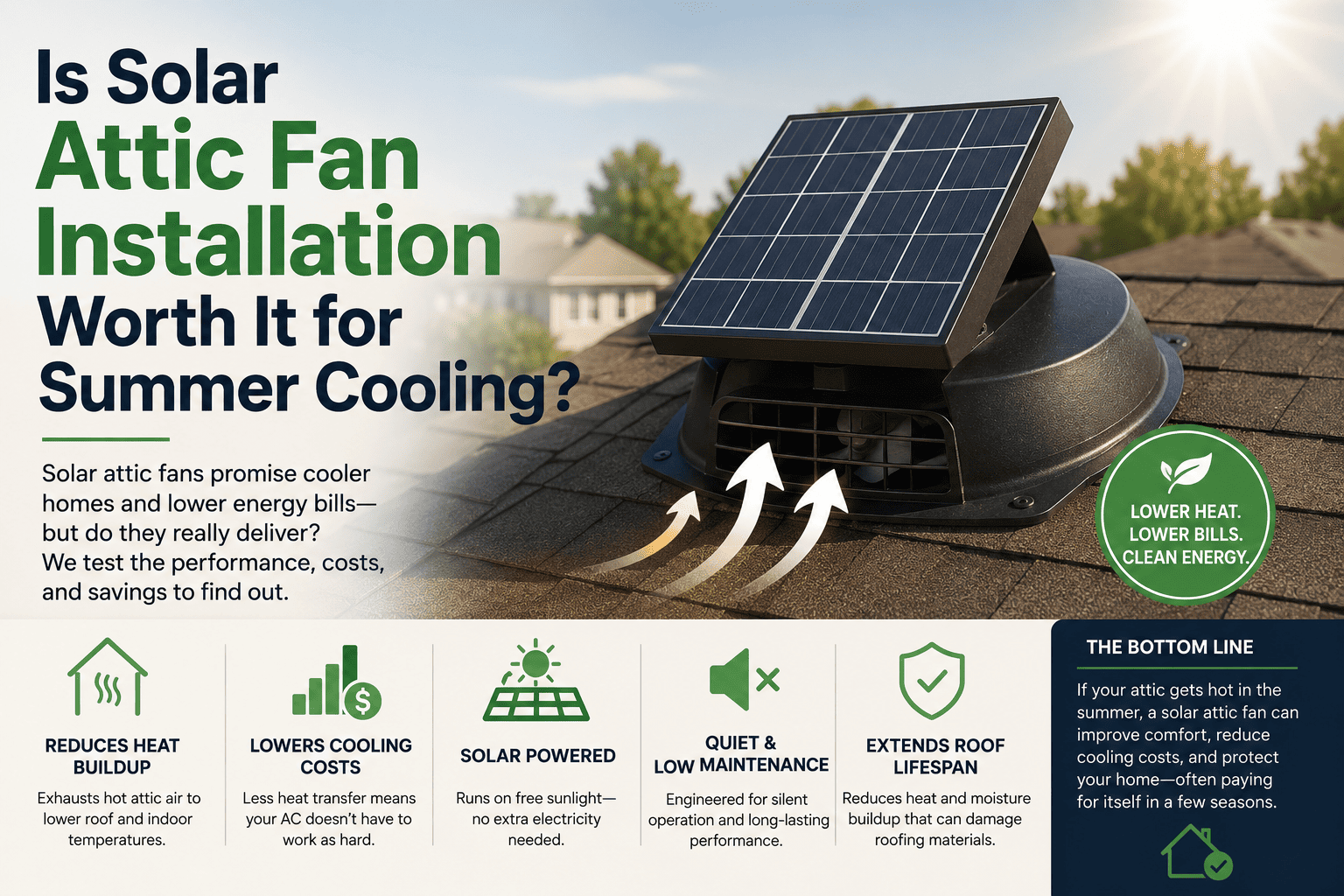
Solar attic fans can lower attic temperatures, but the cooling-bill payoff is often smaller than expected. Here is when they help, when they can backfire, and what to fix first.

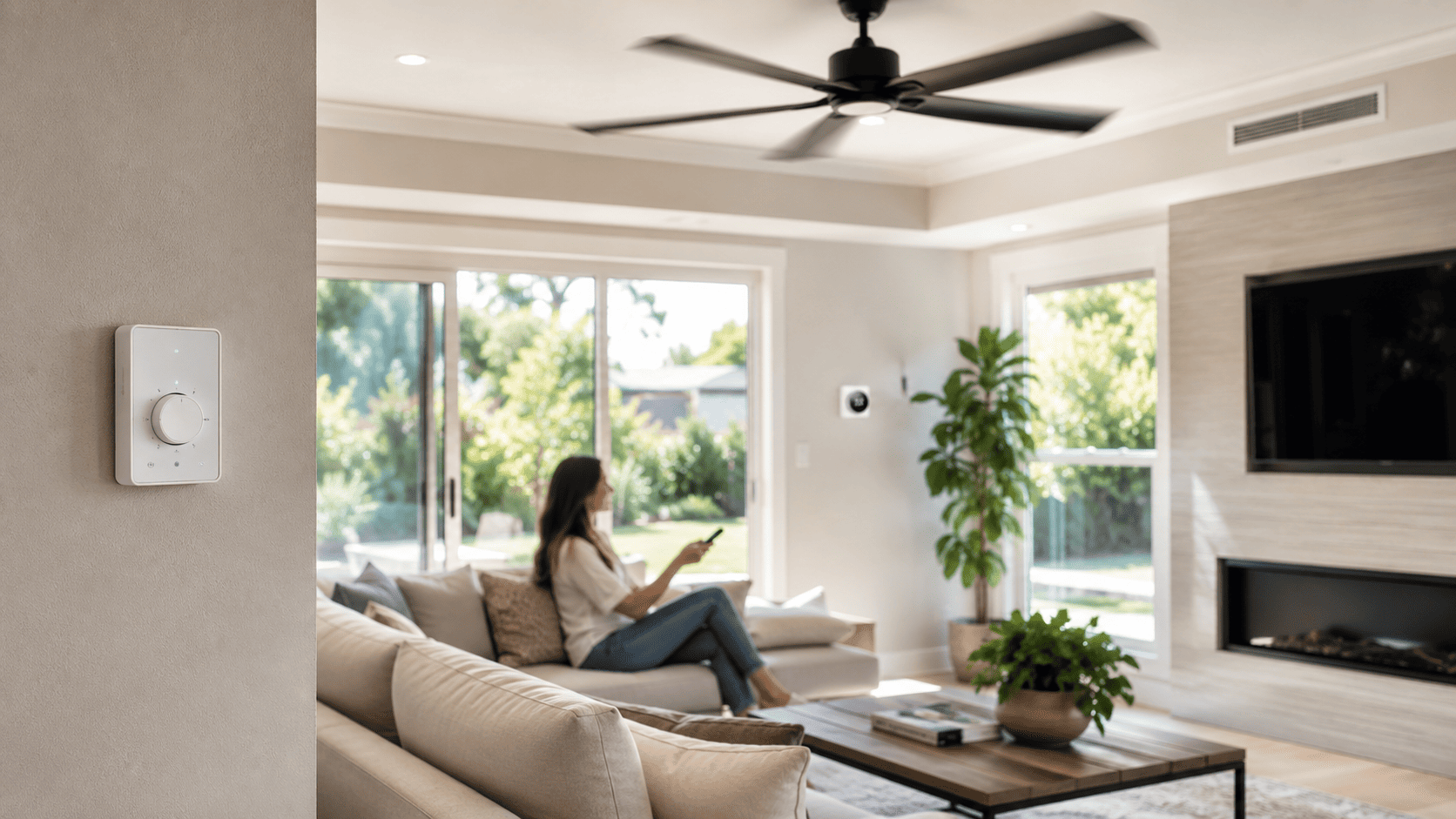
A smart ceiling fan controller can reduce cooling costs when it helps you run the fan only when people are present and raise the AC setpoint at the same time. Here is the real summer tradeoff.
A realistic solar-battery payback calculation must include export rates, time-of-use savings, efficiency losses, degradation, incentives, financing, and the value you place on backup power.
Smart bulbs, plugs, cameras, and thermostats dropping offline? These router settings address the most common 2.4 GHz, WPA3, roaming, isolation, channel, and mesh compatibility problems.
Thread is the strongest choice for new Matter-first smart homes in 2026, while Zigbee remains the value and device-selection leader and Z-Wave excels in sub-GHz reliability, security, and long-range installations.
Heat pumps are more energy-efficient, but gas furnaces can still win on upfront cost or local fuel economics. Here is the 2026 comparison.
Wrong thermostat placement can distort temperature readings, increase HVAC runtime, and quietly undermine both comfort and energy savings.
A practical, data-first guide to comfort, schedules, occupancy sensing, and where real household savings come from.
One useful idea, one product worth knowing, and one energy-saving action—delivered weekly.
No spam. Unsubscribe anytime.