

How Much Can a Smart Thermostat Actually Save You?
A practical, data-first guide to comfort, schedules, occupancy sensing, and where real household savings come from.
SmartAbodeLab topic hub
Practical guidance for reducing household energy waste, improving HVAC control, understanding efficient equipment, and making better home-energy decisions.
Coverage map
25
published articles
Primary topic: smart home energy efficiency
Smart energy is less about adding devices and more about making heating, cooling, appliances, and routines respond intelligently to real household needs.
Use this hub to start with the highest-confidence efficiency opportunities, then move into controls, equipment, and measurement.
Start here
A practical, data-first guide to comfort, schedules, occupancy sensing, and where real household savings come from.
Learn the fundamentals
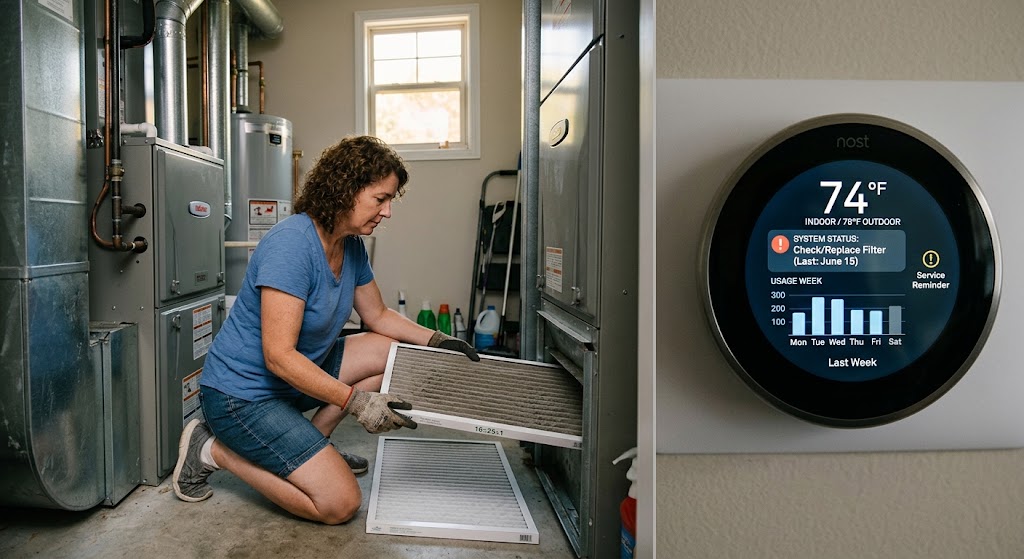
Use your smart thermostat's runtime, filter reminders, temperature sensors, and system alerts to close out cooling season and prepare HVAC equipment for fall.
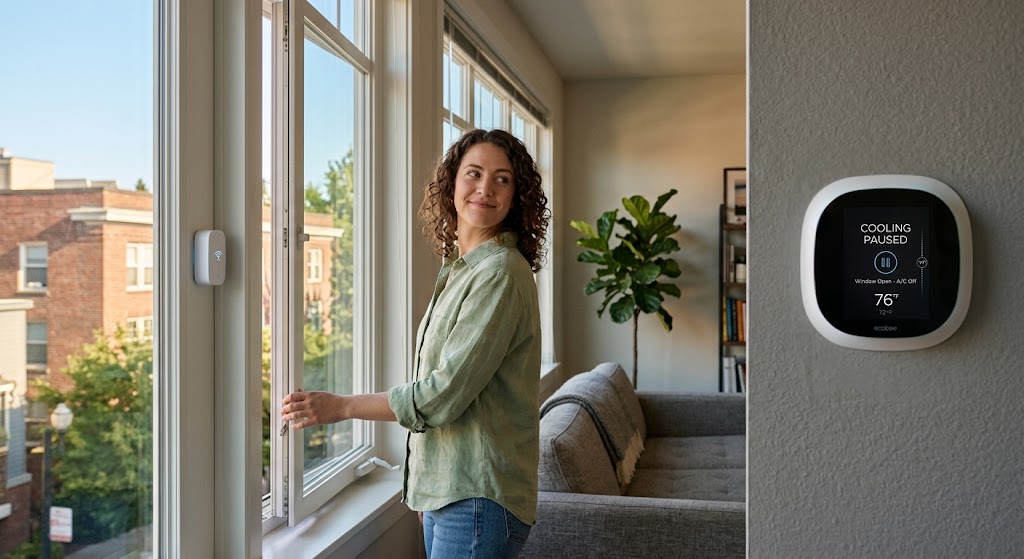
Use window contact sensors to pause cooling only after a window stays open, then restore the previous HVAC state safely after every monitored window is closed.
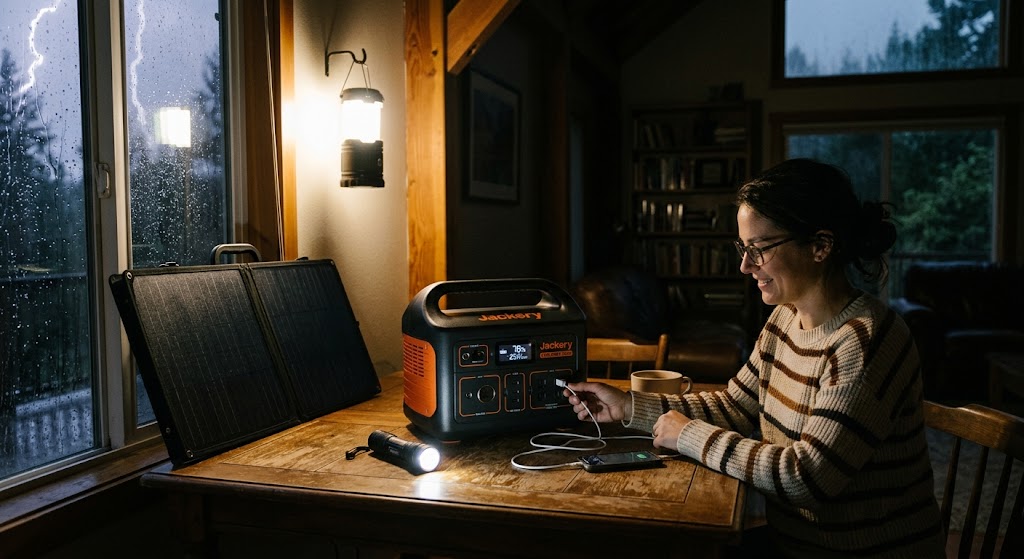
Learn how to size and safely use a portable battery power station with solar charging for storm outages, from watt-hours and surge loads to refrigerators and recharge planning.
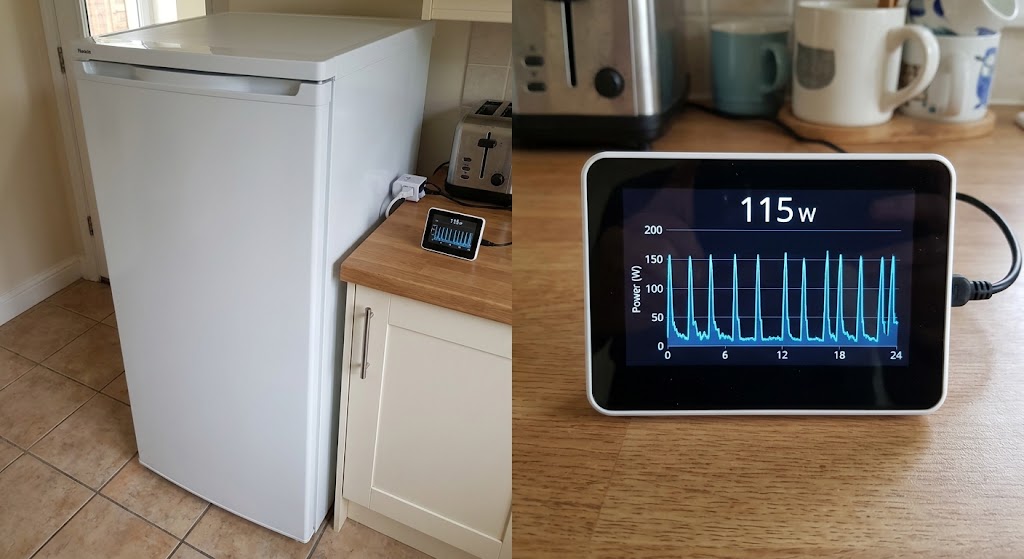
Energy monitoring can reveal abnormal refrigerator power patterns before a breakdown, but it works best as an early-warning tool rather than a motor-failure diagnosis.
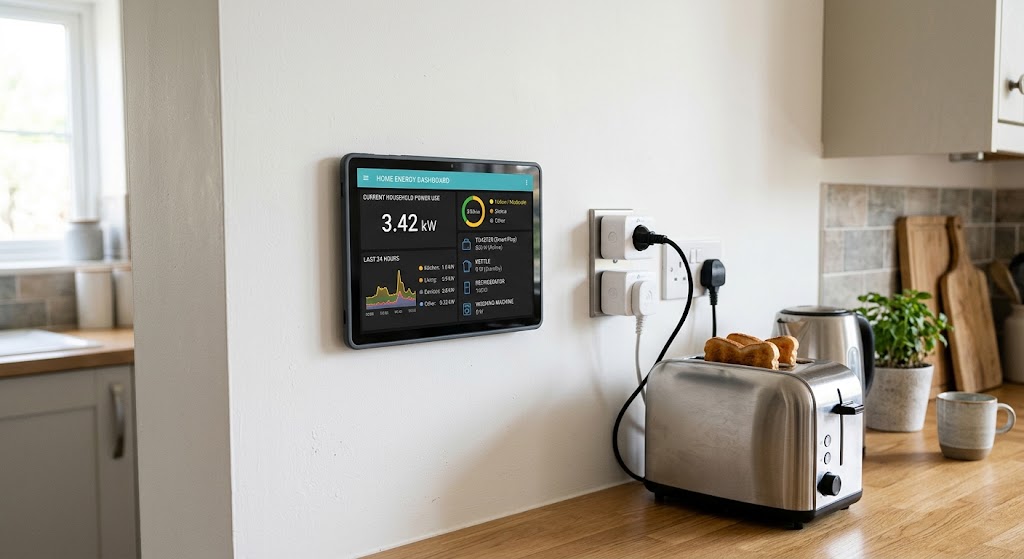
Build a Home Assistant power dashboard that shows live household watts, appliance loads, short-term trends, and daily energy without confusing W with kWh.
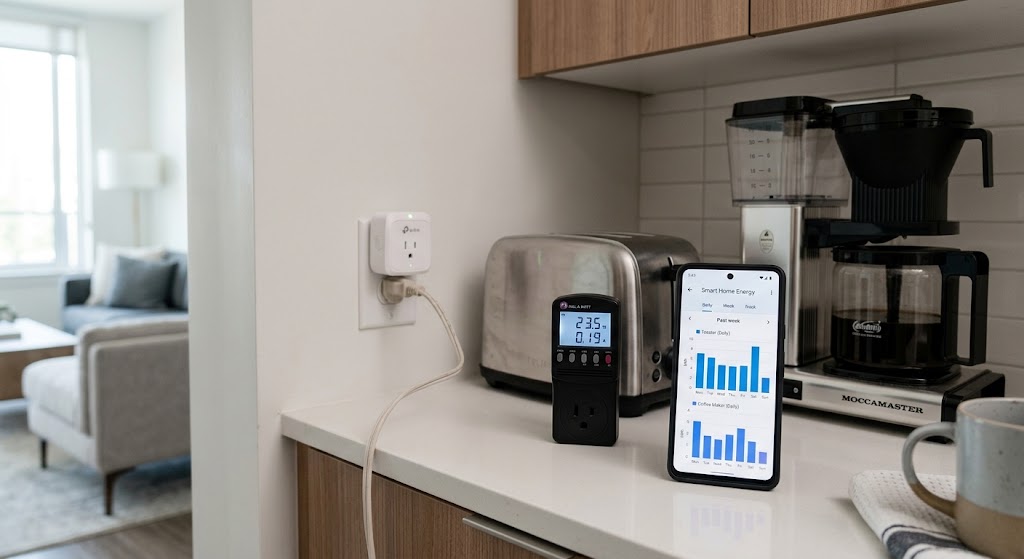
Measure appliance electricity use before a tariff change so you can identify costly loads, estimate their real monthly cost, and cut waste with better data.

Keep solar garden lights running longer through autumn by improving sunlight exposure, cleaning panels, managing brightness, and replacing batteries correctly.
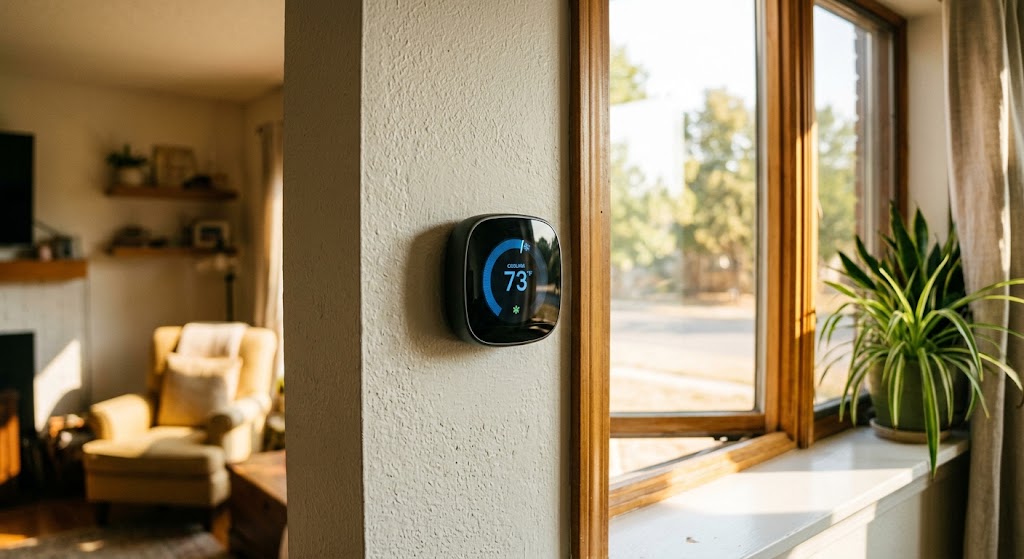
Use smarter cooling schedules, sensible setpoints, humidity control, room sensors, and maintenance checks to stay comfortable during late-summer heatwaves without wasting energy.
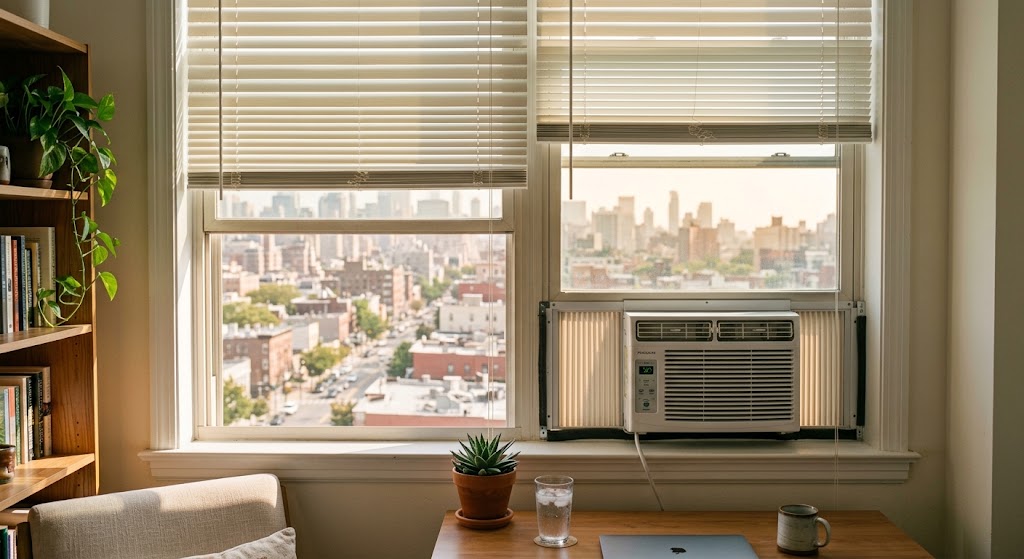
Lower your August cooling bill with practical window AC fixes, smarter settings, and airflow tricks that reduce waste without sacrificing comfort.

Cold air under an exterior door usually comes from a worn sweep, misadjusted threshold, tired weatherstripping, or unsealed trim. Here is how to fix it without replacing the frame.

Seven overlooked thermostat and HVAC settings can cut wasted heating runtime, reduce expensive backup heat, and improve winter efficiency without replacing your system.

Wrong thermostat placement can distort temperature readings, increase HVAC runtime, and quietly undermine both comfort and energy savings.
Go deeper
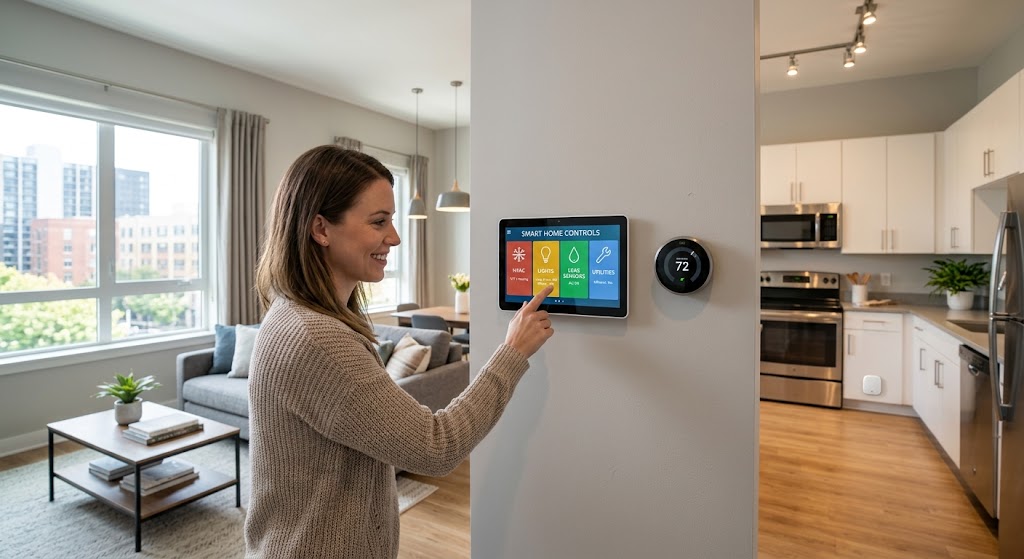
Prioritize rental upgrades that reduce operating costs, prevent damage, and improve tenant convenience without overbuilding a fragile smart-home stack.

The best smart blinds for west-facing windows combine automation with heat-blocking materials that reduce afternoon solar gain without making rooms permanently dark.
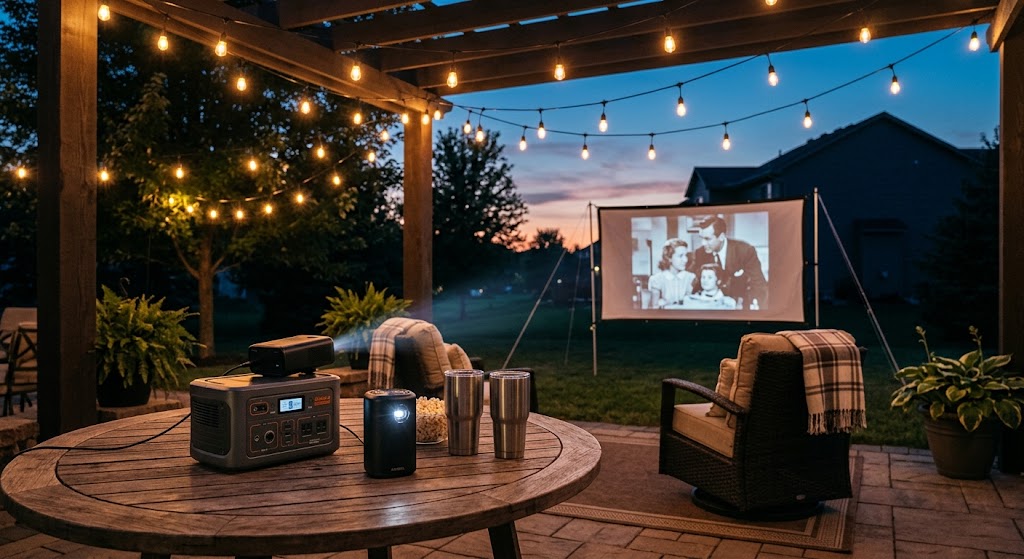
Plan a reliable patio movie night by sizing a portable power station for your projector, speakers, streaming gear, and late-summer heat.
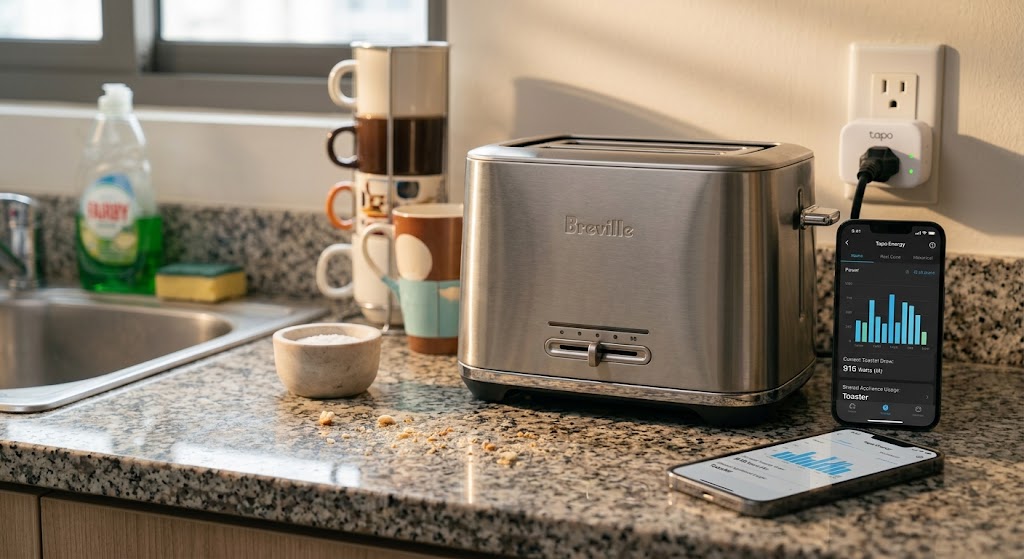
Smart plugs with energy monitoring can show how much electricity individual appliances use in a shared rental. These are the strongest 2026 picks for transparent roommate energy tracking.
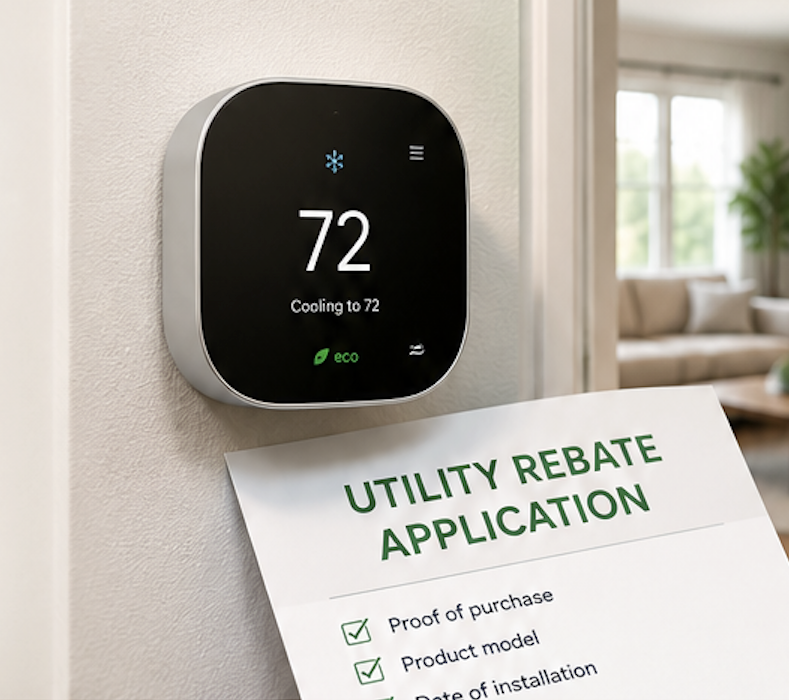
Local utilities often discount ENERGY STAR smart thermostats at checkout or reimburse eligible purchases. Here is how to find, verify, and claim the right 2026 offer.
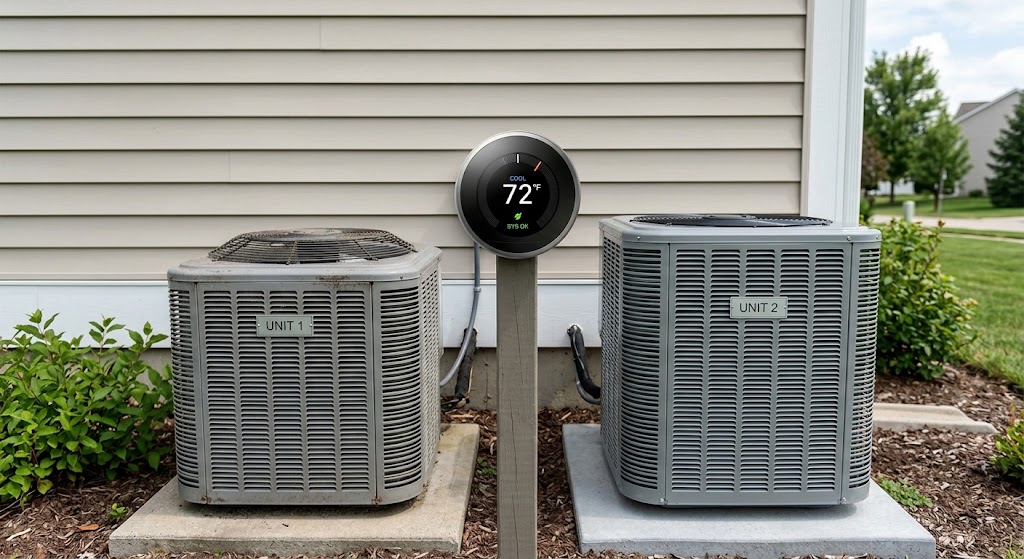
Two-stage HVAC gives a compatible smart thermostat more capacity control, while single-stage systems still benefit from scheduling, sensors, and smarter runtime management.
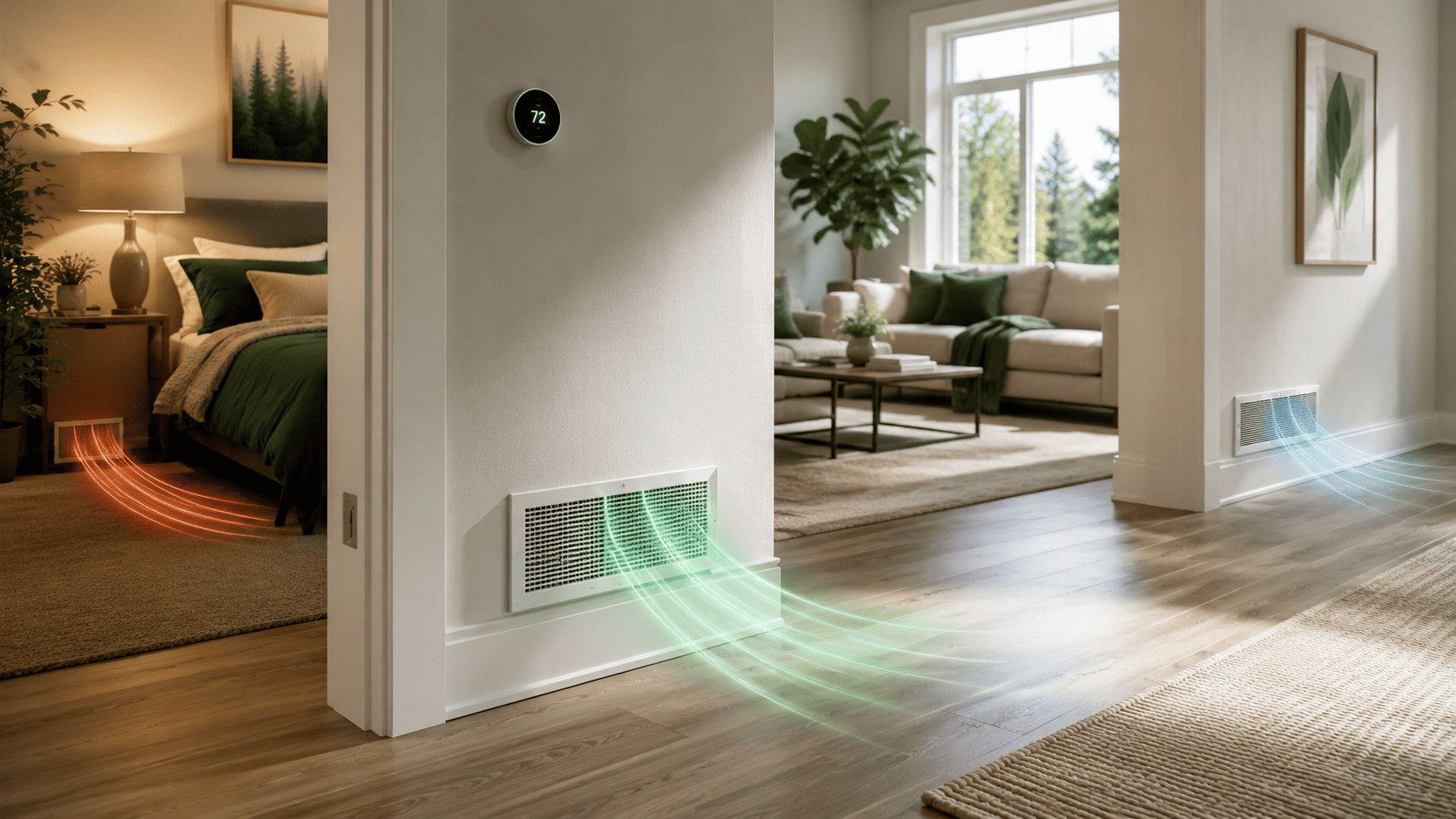
Smart vent covers can improve room-by-room comfort, but their energy savings are less certain than many homeowners expect. Here is how to judge whether they are worth buying.
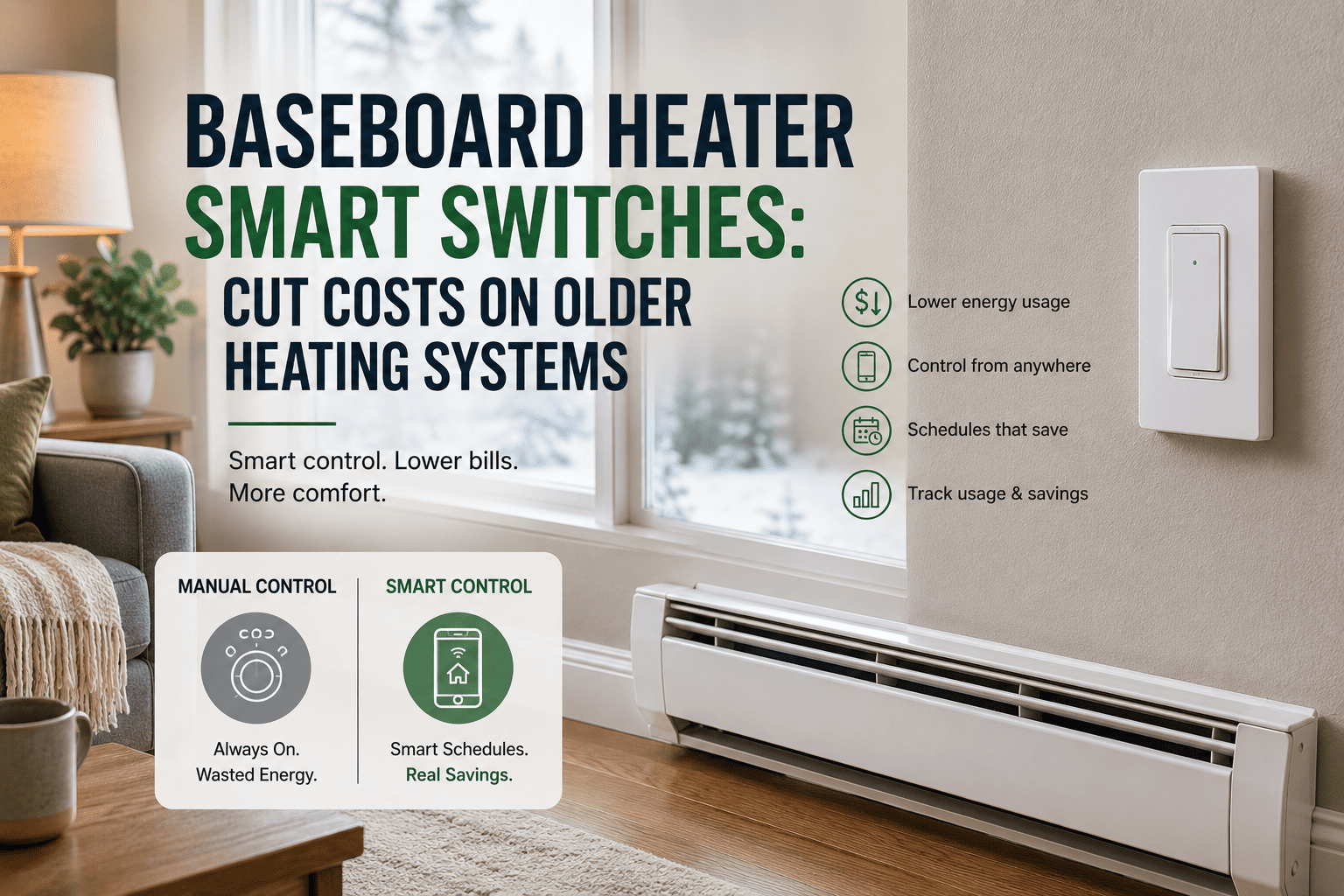
Smart controls can make old electric baseboard heating cheaper to run by scheduling setbacks and controlling rooms independently—but only with the right line-voltage hardware.
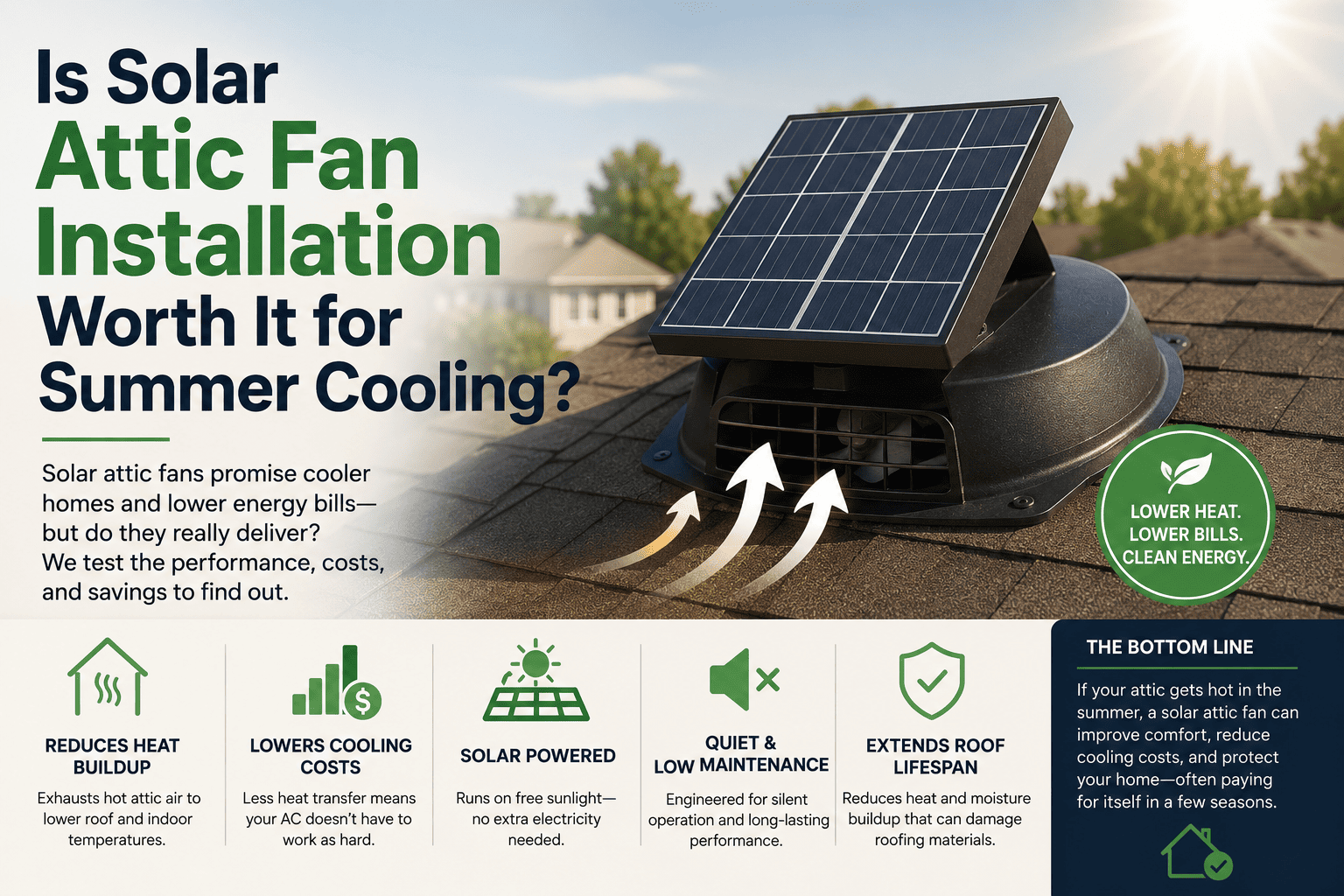
Solar attic fans can lower attic temperatures, but the cooling-bill payoff is often smaller than expected. Here is when they help, when they can backfire, and what to fix first.
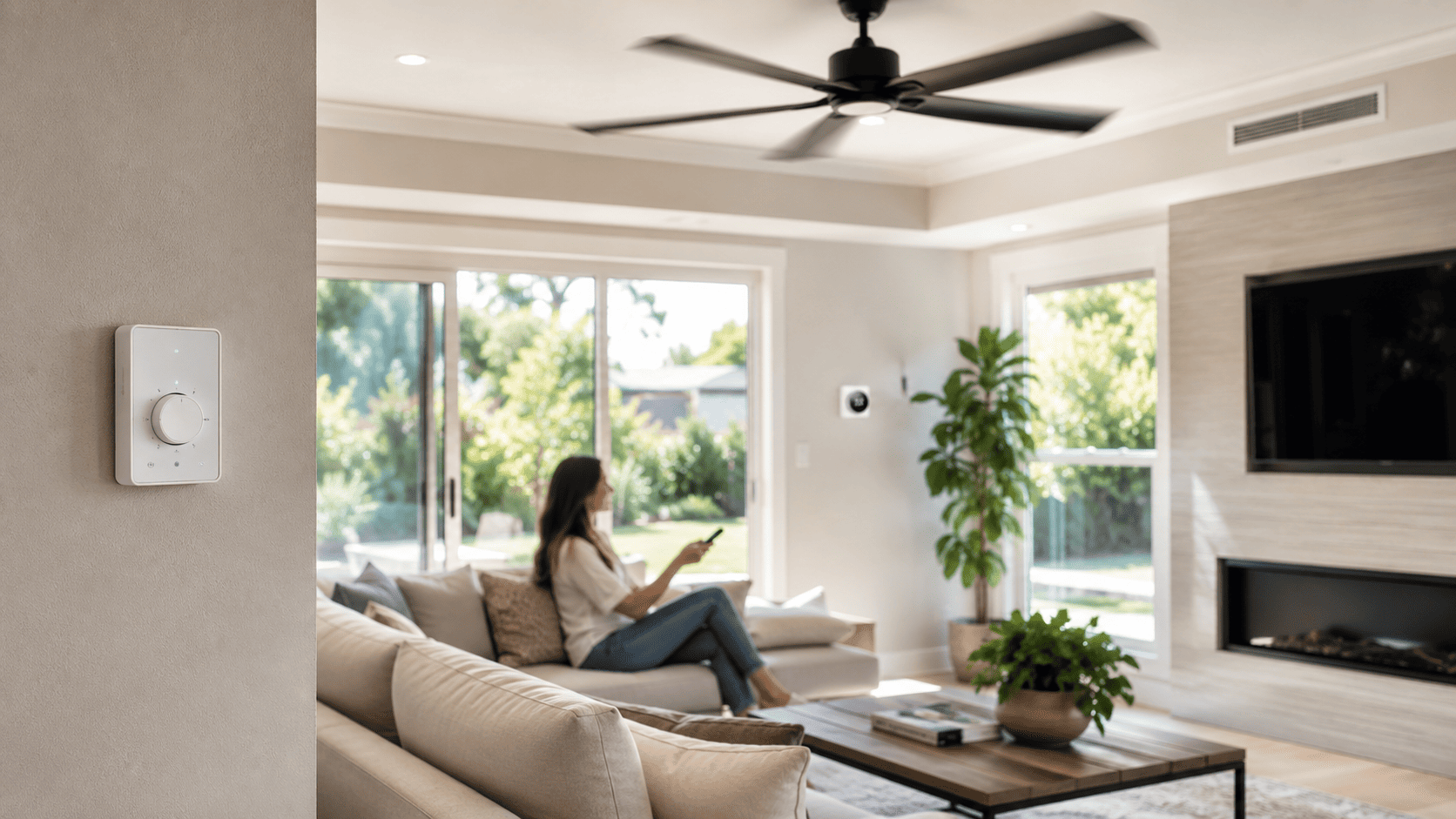
A smart ceiling fan controller can reduce cooling costs when it helps you run the fan only when people are present and raise the AC setpoint at the same time. Here is the real summer tradeoff.

A realistic solar-battery payback calculation must include export rates, time-of-use savings, efficiency losses, degradation, incentives, financing, and the value you place on backup power.

Heat pumps are more energy-efficient, but gas furnaces can still win on upfront cost or local fuel economics. Here is the 2026 comparison.
Connected topics