
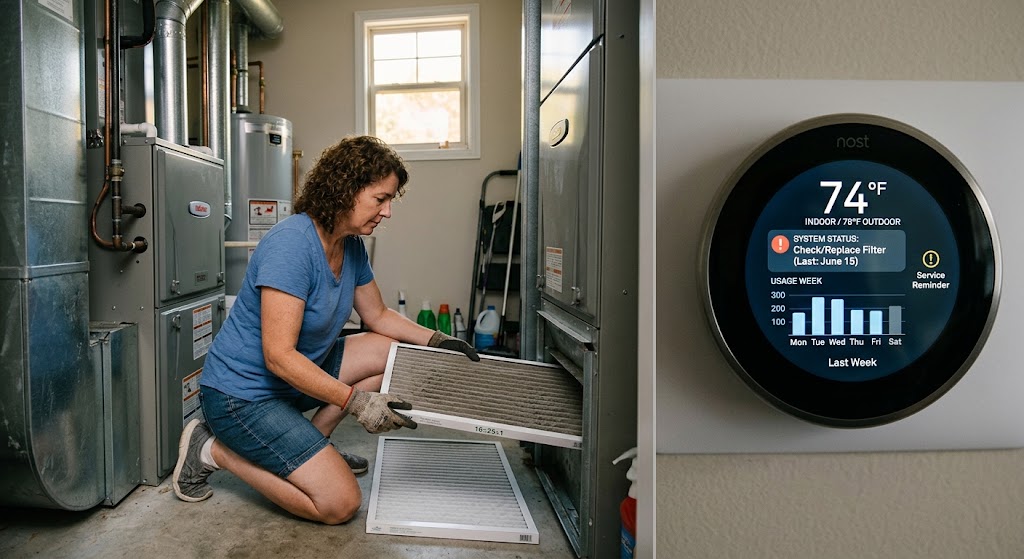
End-of-Summer HVAC Maintenance Checklist for Smart Thermostat Owners
Use your smart thermostat's runtime, filter reminders, temperature sensors, and system alerts to close out cooling season and prepare HVAC equipment for fall.

SmartAbodeLab author
Energy & Home Systems Editor
Maya covers residential energy, HVAC controls, and practical home automation, translating technical systems into useful decisions for homeowners and renters.
Use your smart thermostat's runtime, filter reminders, temperature sensors, and system alerts to close out cooling season and prepare HVAC equipment for fall.
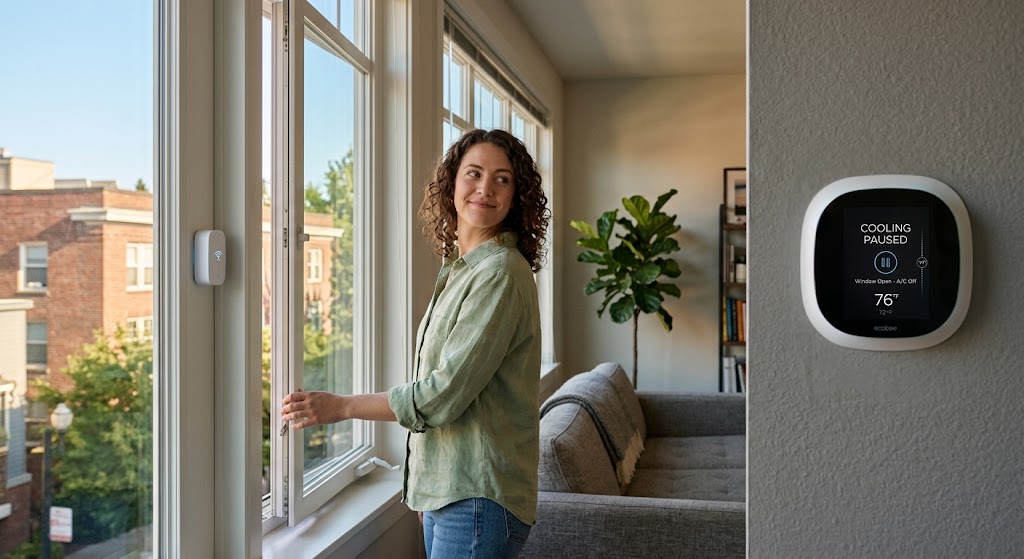
Use window contact sensors to pause cooling only after a window stays open, then restore the previous HVAC state safely after every monitored window is closed.
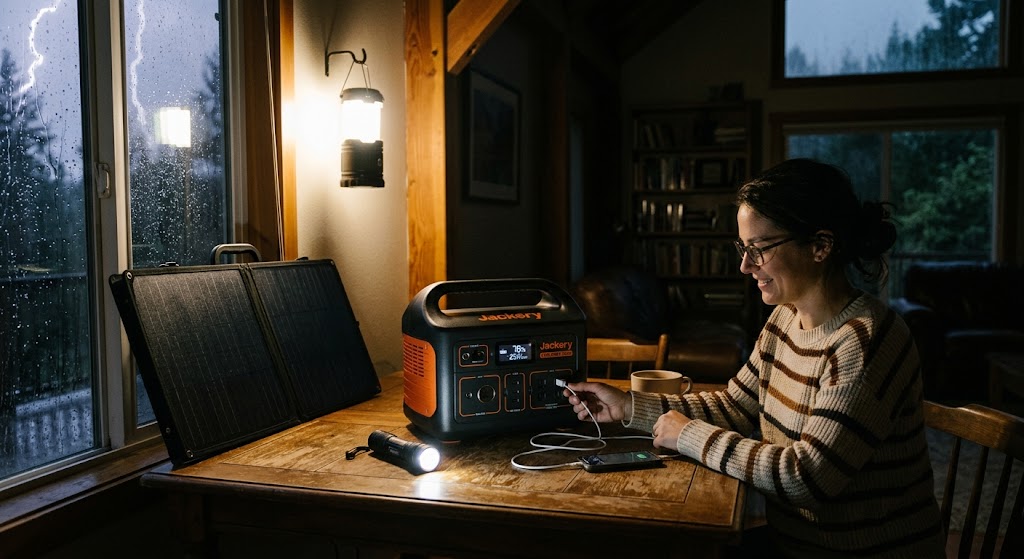
Learn how to size and safely use a portable battery power station with solar charging for storm outages, from watt-hours and surge loads to refrigerators and recharge planning.
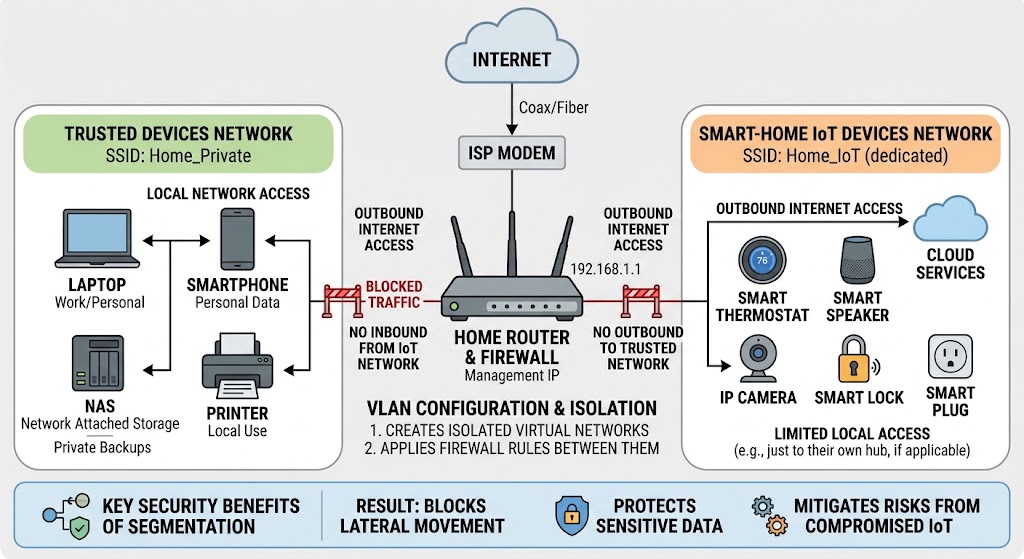
A guest Wi-Fi can isolate smart-home devices from laptops and personal data, but strict isolation may break Matter, casting, HomeKit, and local automation.
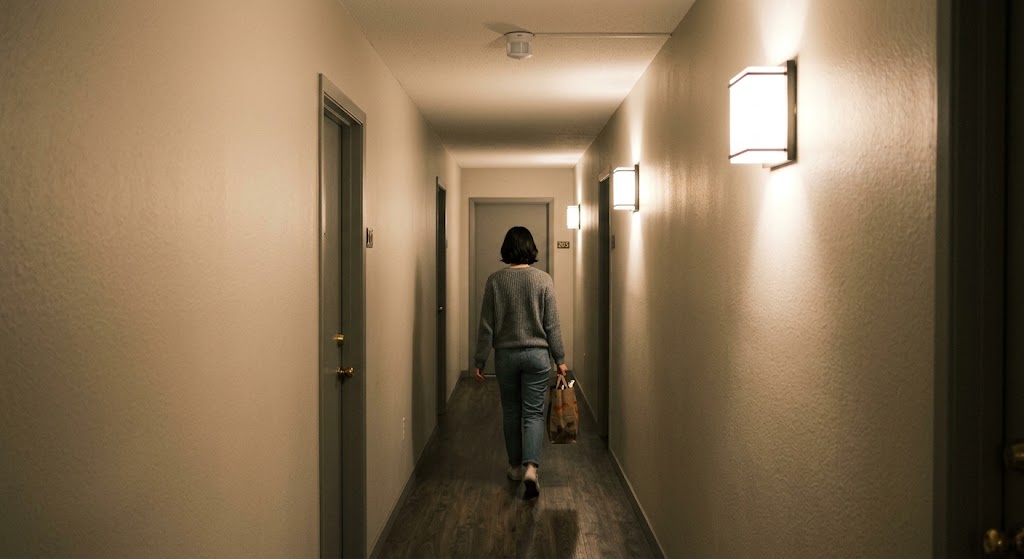
Build hallway lighting that turns on only when needed, stays dim at night, and avoids the annoying false-offs common with basic motion automations.
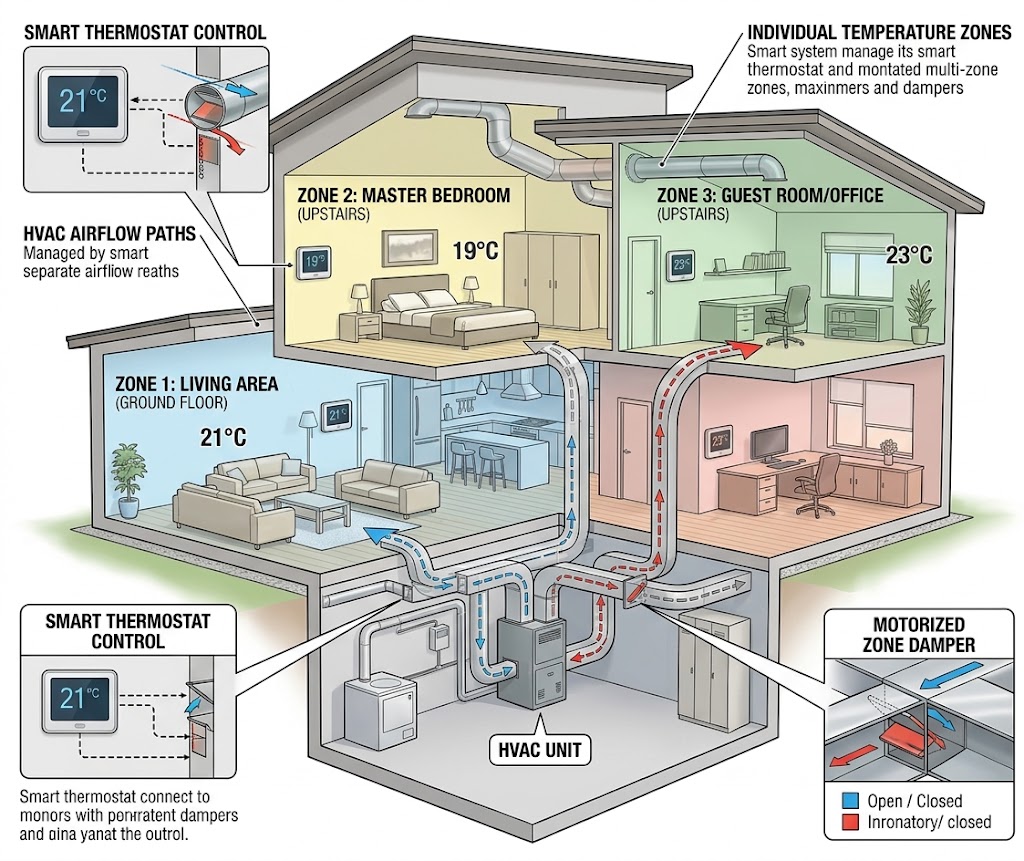
Multi-zone HVAC works best when thermostats, zone controls, sensors, and equipment capacity cooperate instead of fighting each other.
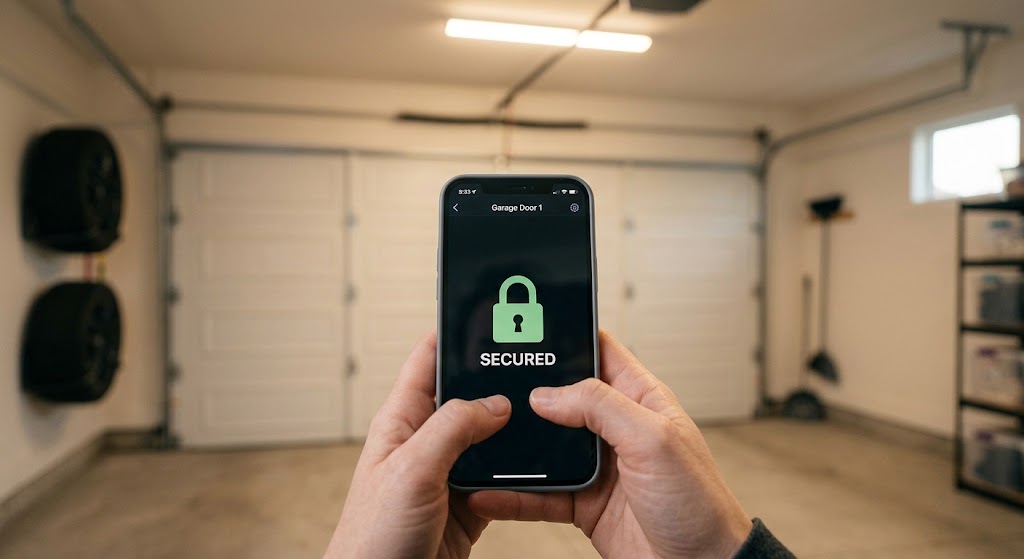
Before a holiday trip, tighten smart garage security with instant alerts, scheduled closing, temporary access, account protection, and a simple pre-departure test.
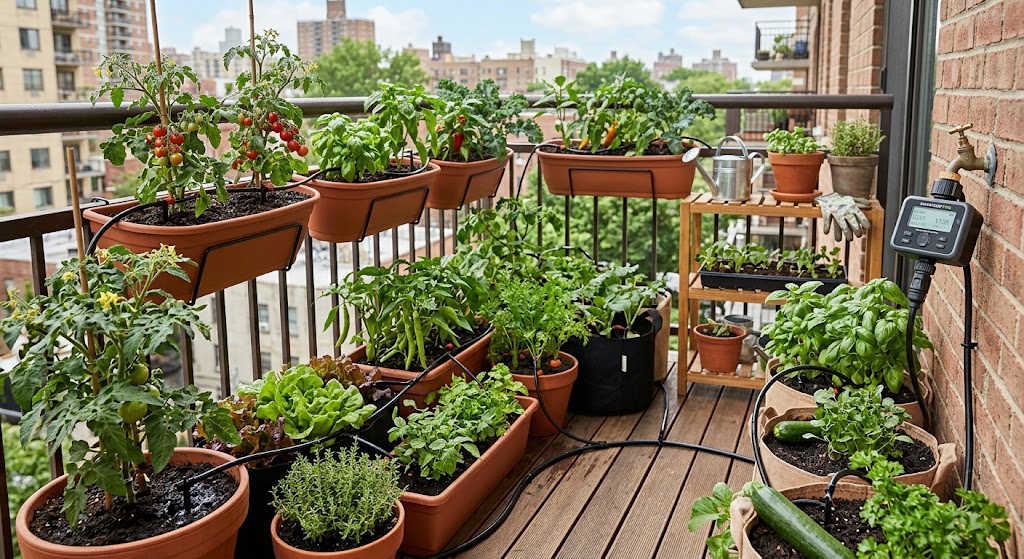
Set up a smart hose timer and drip irrigation for balcony vegetables without overwatering pots, wasting water, or creating runoff problems for neighbors below.
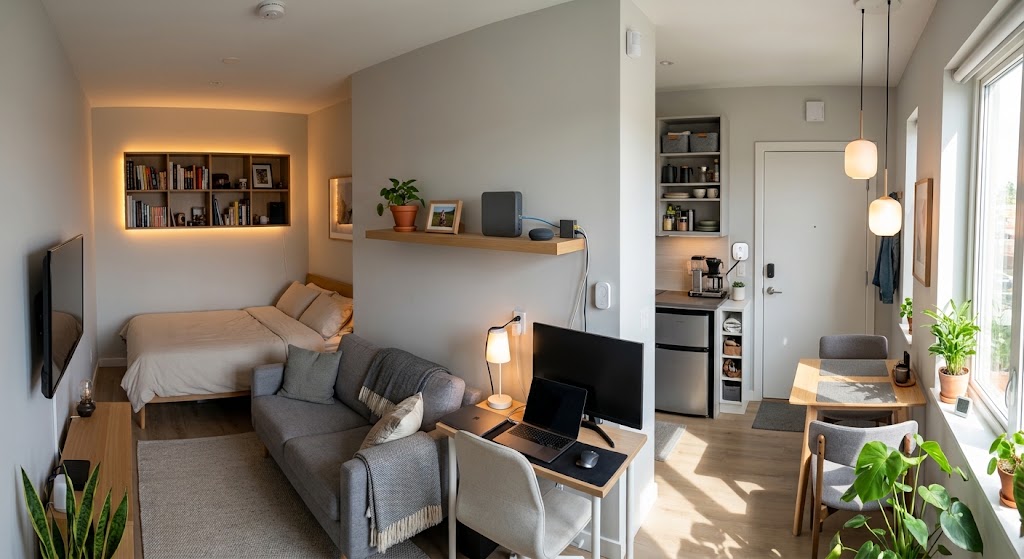
Compare local smart home hubs with Apple Home, Google Home, Alexa, and other cloud ecosystems to choose the right setup for a small studio apartment.
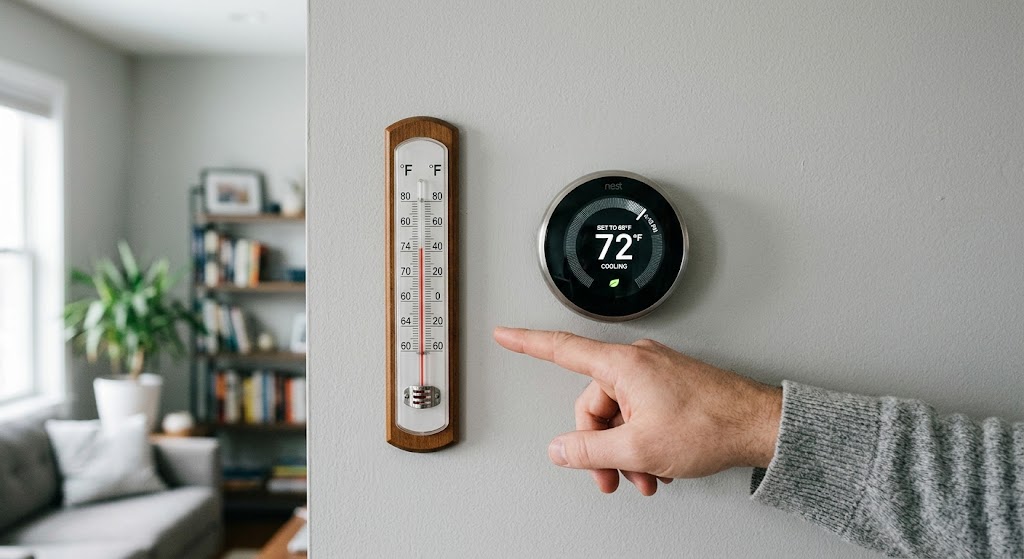
Learn how to verify a smart thermostat temperature error, apply the right offset, and fix placement problems before they waste comfort or HVAC energy.
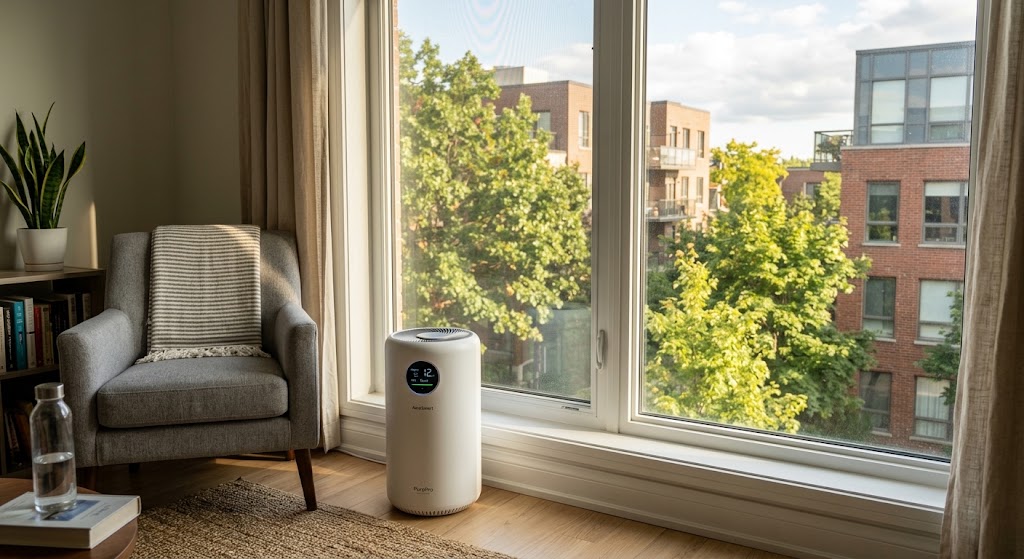
Choose and automate a smart air purifier for late-summer ragweed and pollen using the right CADR, room size, schedules, and filtration strategy.
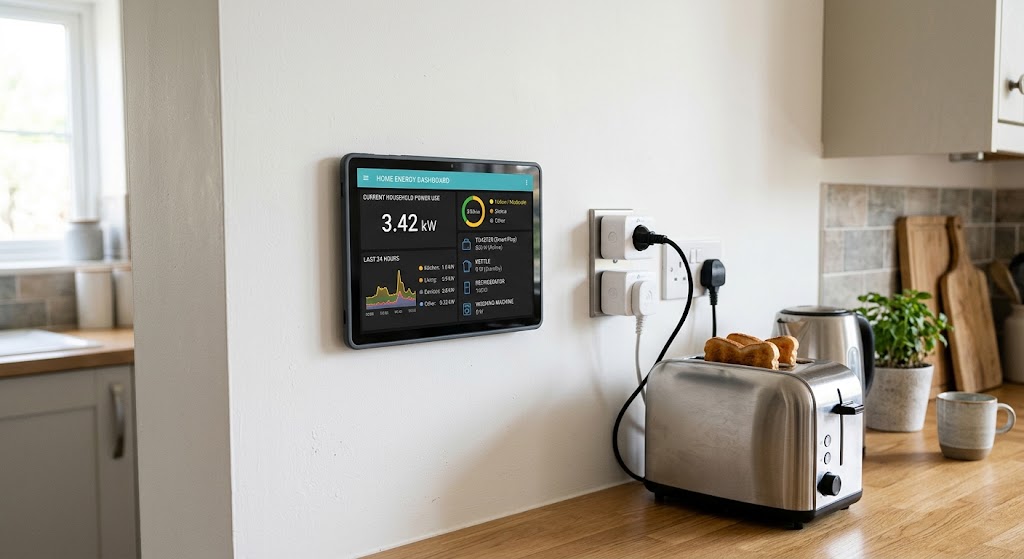
Build a Home Assistant power dashboard that shows live household watts, appliance loads, short-term trends, and daily energy without confusing W with kWh.
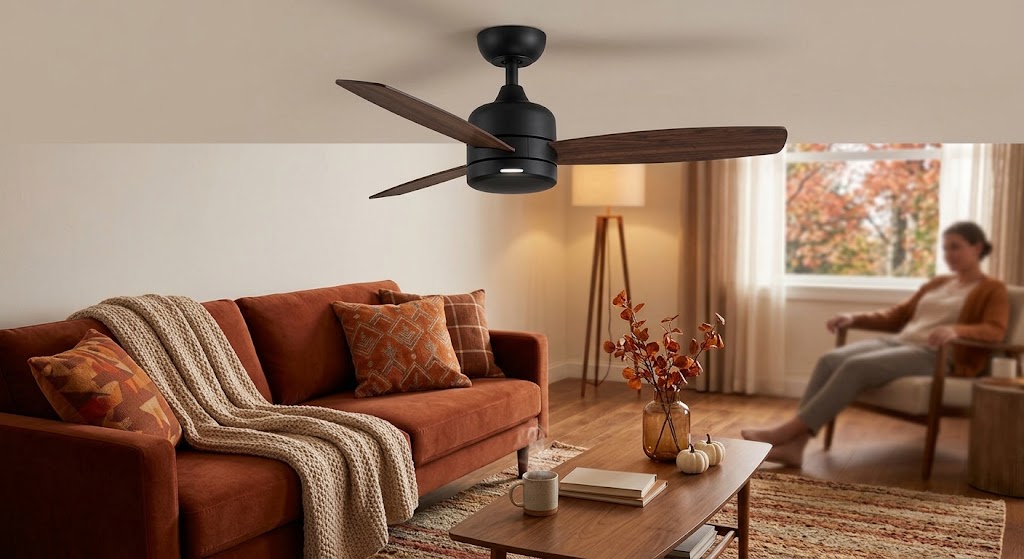
Set ceiling fans for fall without climbing a ladder: learn which smart fans can reverse from an app, what can be automated, and the safest seasonal setup.
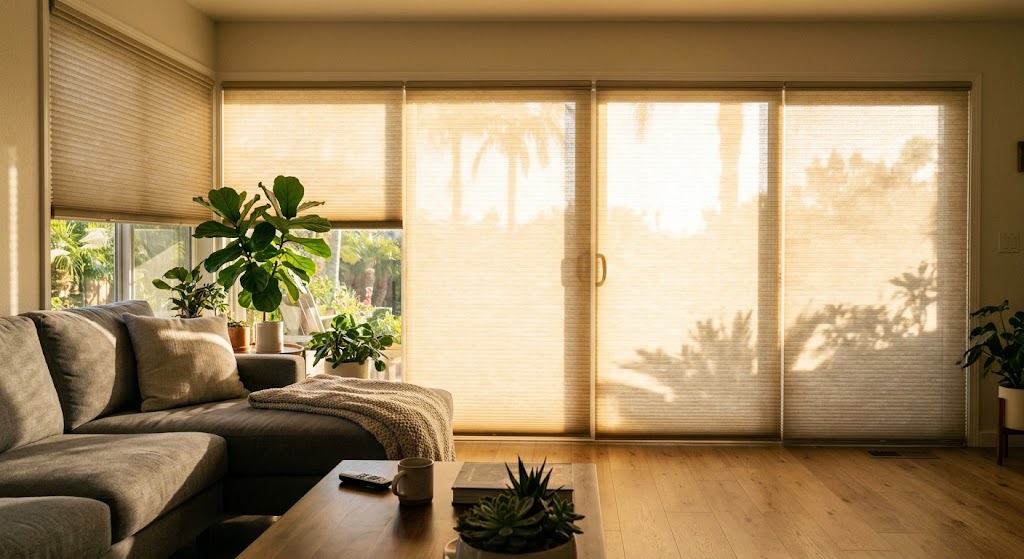
The best smart blinds for west-facing windows combine automation with heat-blocking materials that reduce afternoon solar gain without making rooms permanently dark.
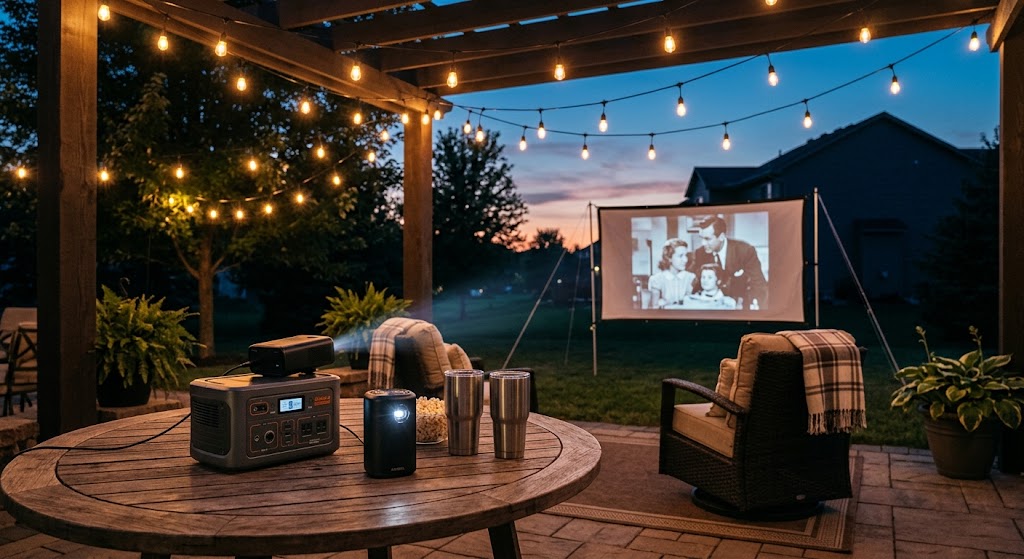
Plan a reliable patio movie night by sizing a portable power station for your projector, speakers, streaming gear, and late-summer heat.
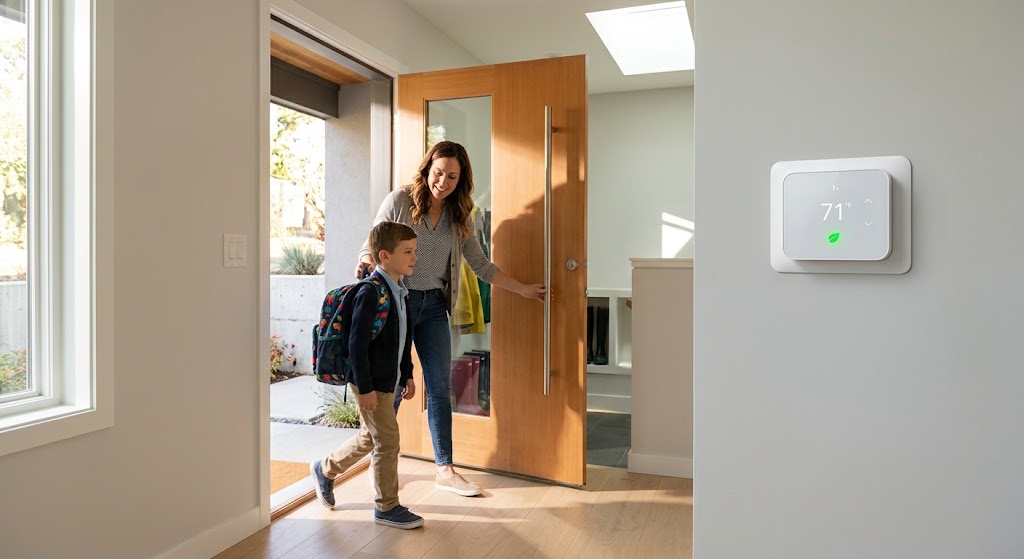
Use smart thermostat geofencing without leaving kids, parents, or caregivers uncomfortable when back-to-school schedules change from day to day.
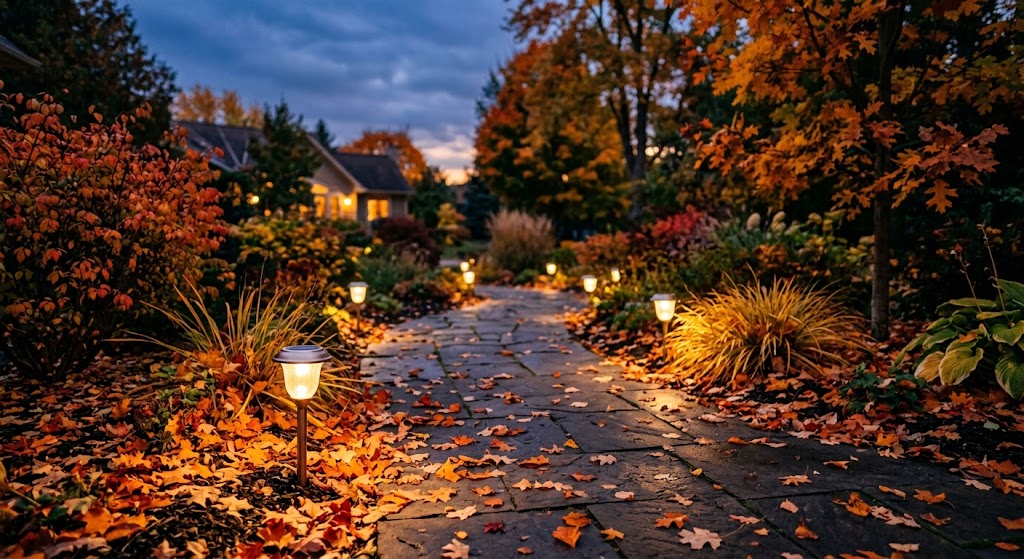
Keep solar garden lights running longer through autumn by improving sunlight exposure, cleaning panels, managing brightness, and replacing batteries correctly.
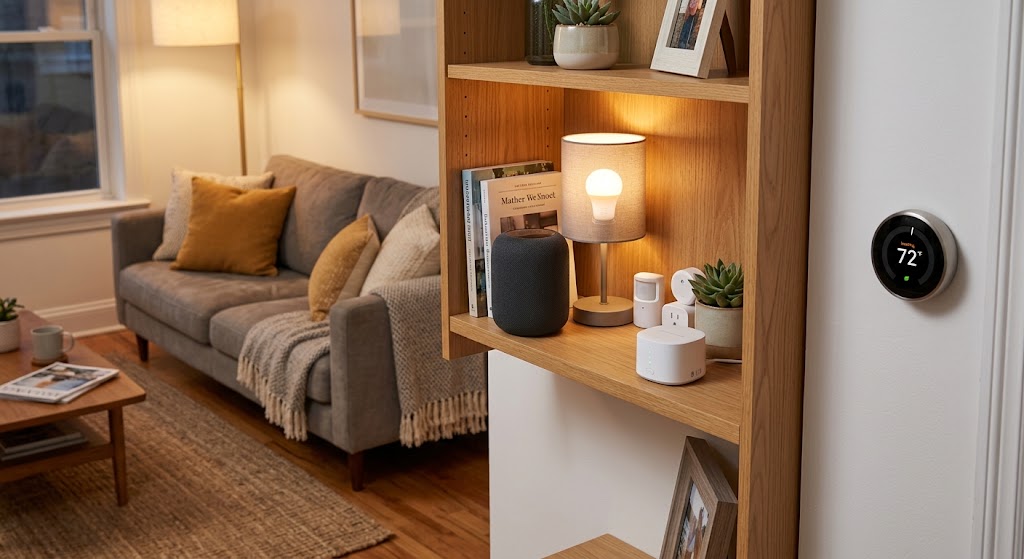
A renter-friendly move-in plan for building a useful smart home with portable devices, removable mounts, safer privacy settings, and no permanent wall changes.
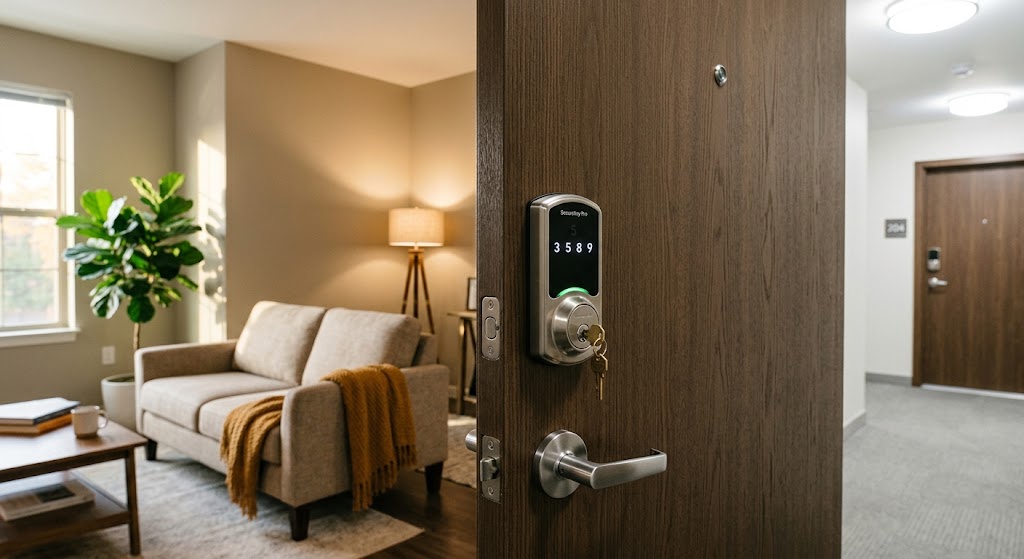
The best renter smart locks retrofit the inside of your existing lock so the exterior cylinder and landlord’s physical key can keep working. Here are the strongest US and EU options.
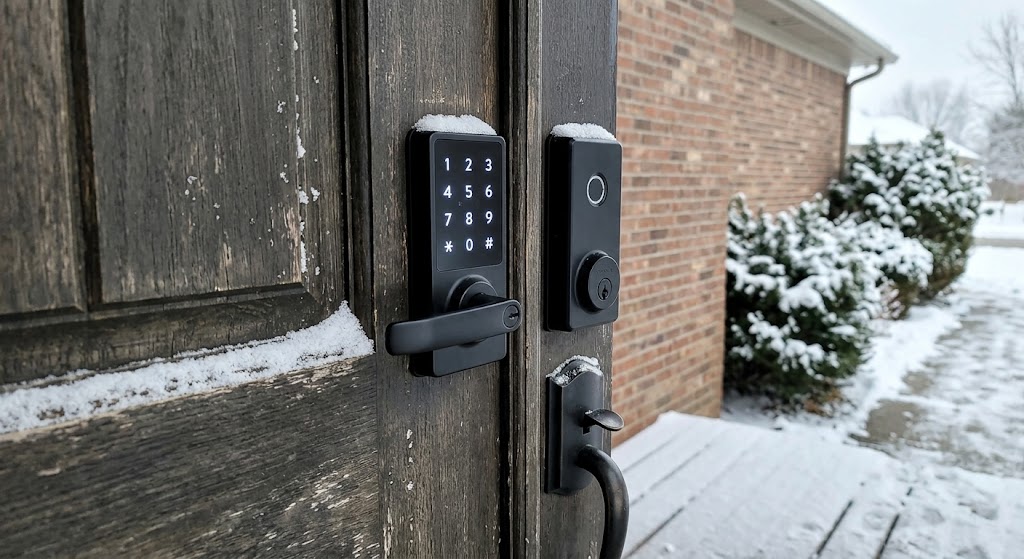
Fingerprint smart locks are fast and convenient, but keypad locks are usually the more dependable cold-weather choice because they do not rely on biometric image quality.
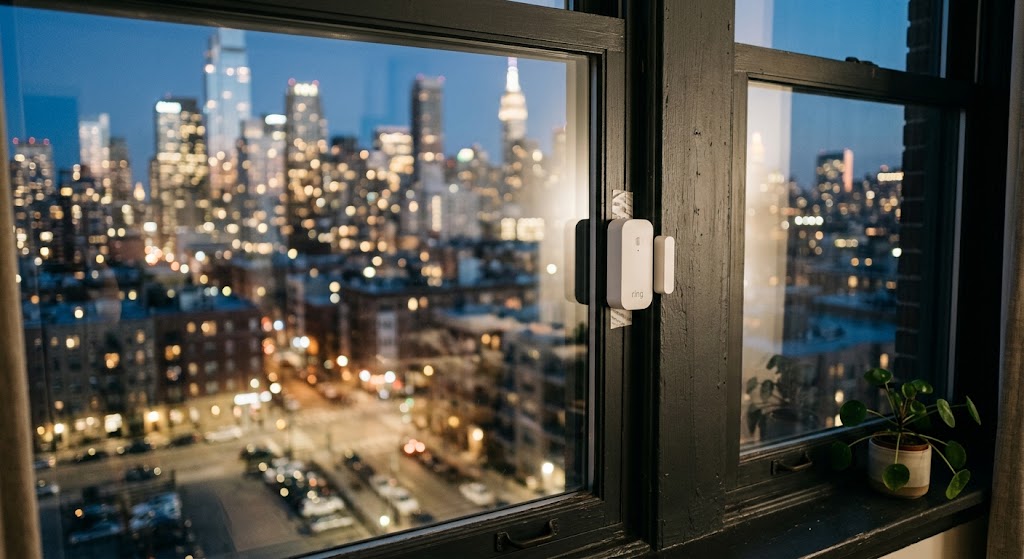
Smart contact sensors can add renter-friendly window alerts and automations without drilling, but placement, adhesive choice, hub requirements, and account security all matter.
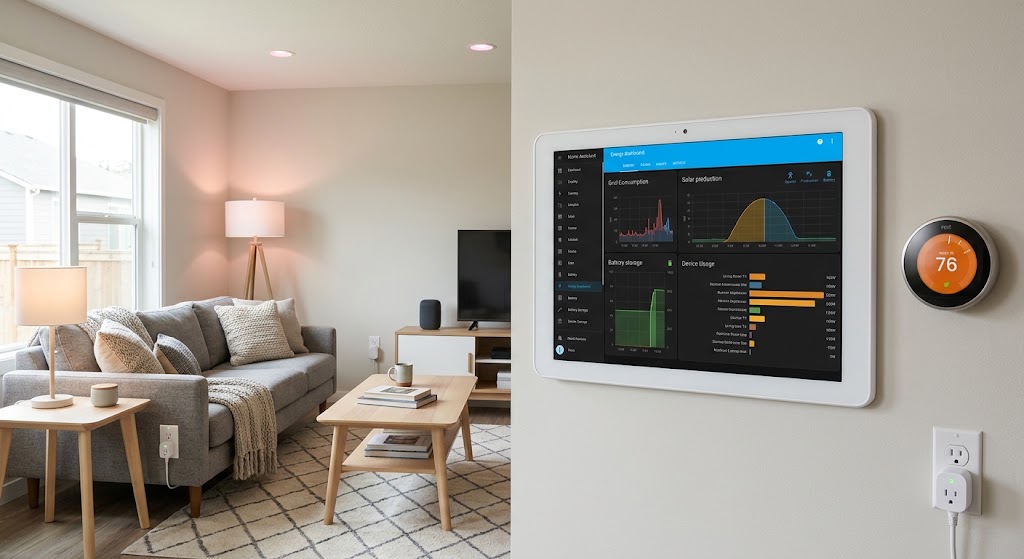
These five Home Assistant automations target the biggest sources of avoidable household energy use: HVAC runtime, unnecessary lighting, standby loads, expensive tariff windows, and solar heat gain.
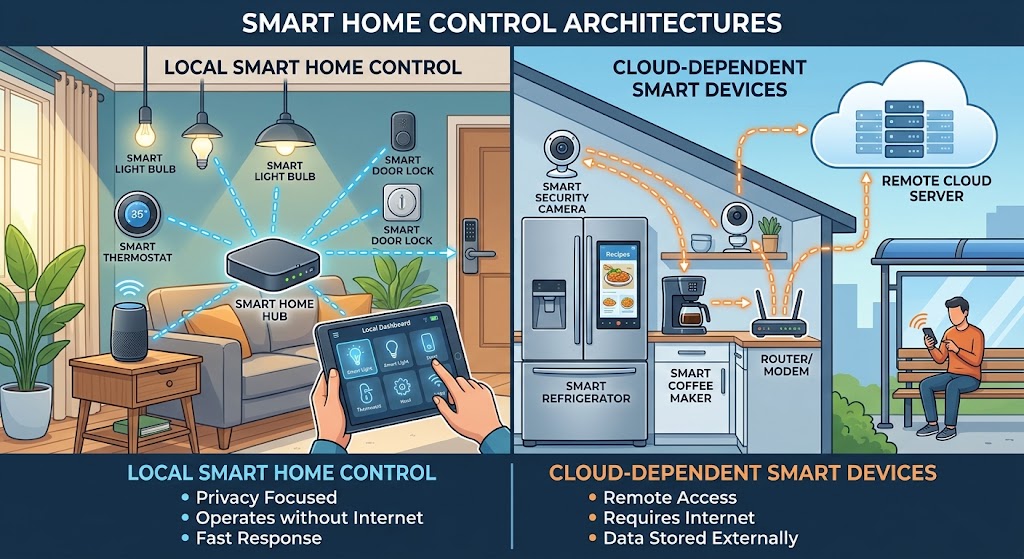
Cloud features are useful, but your lights, locks, sensors, and core automations should not stop working when the internet or a vendor service fails. Here is how to build a local-first smart home in 2026.
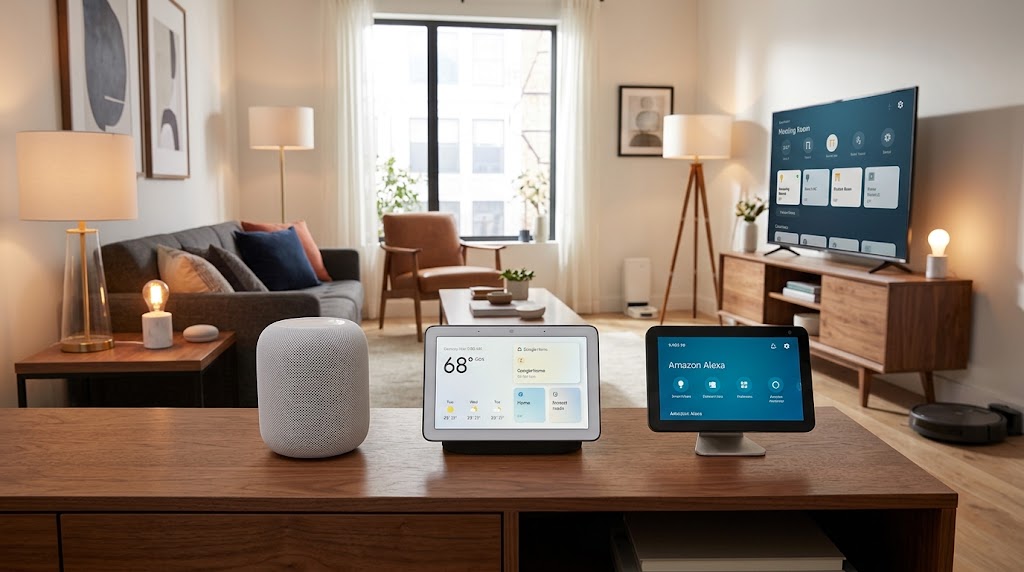
Apple Home is the privacy and Apple-integration winner, Google Home has the strongest AI-first smart-home experience with Gemini, and Amazon Alexa remains the broadest hub and device-integration ecosystem. Here is the 2026 breakdown.
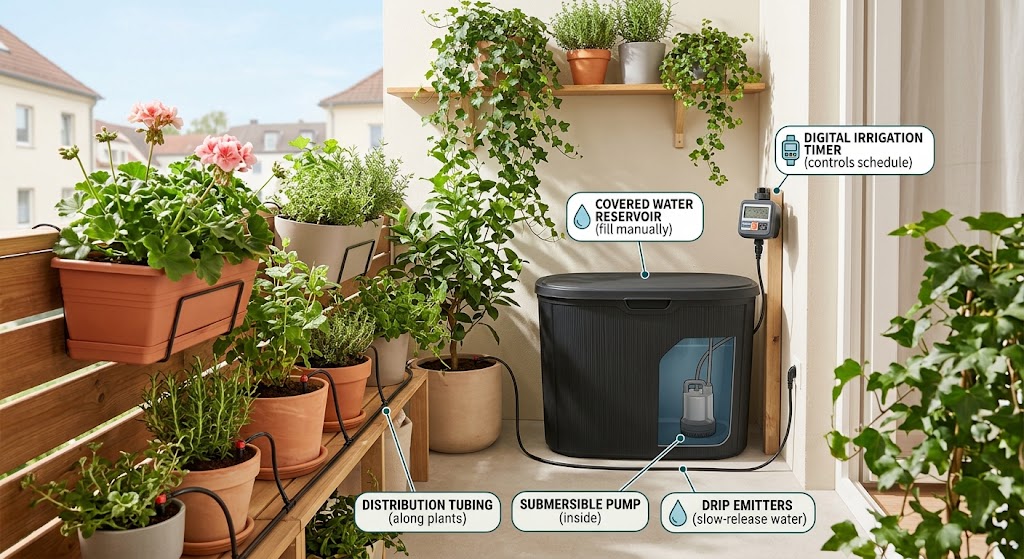
No outdoor faucet? Build a renter-friendly automatic balcony watering system with a covered reservoir, small pump, timer, tubing, and drip emitters.

The best renter smart locks retrofit the inside of your existing lock so the exterior cylinder and landlord’s physical key can keep working. Here are the strongest US and EU options.
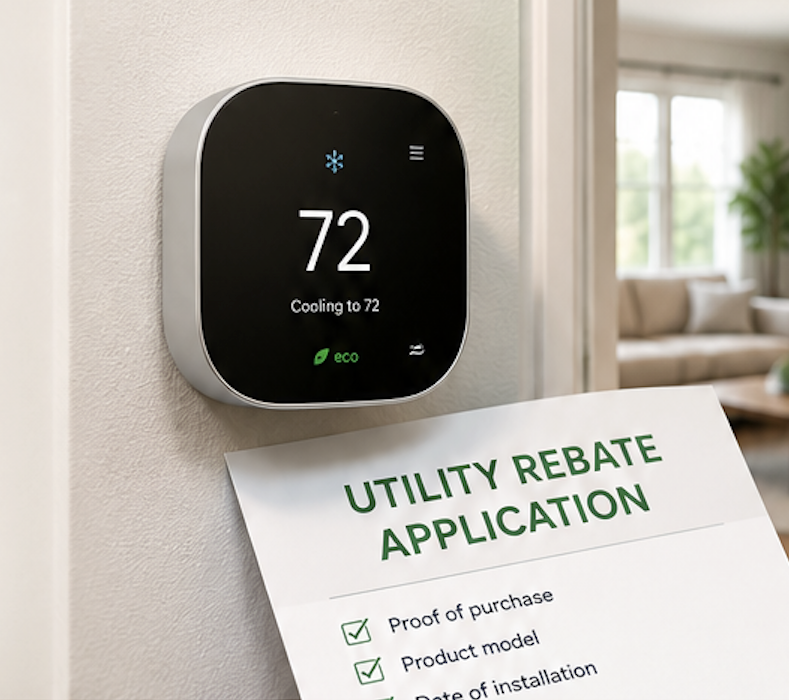
Local utilities often discount ENERGY STAR smart thermostats at checkout or reimburse eligible purchases. Here is how to find, verify, and claim the right 2026 offer.
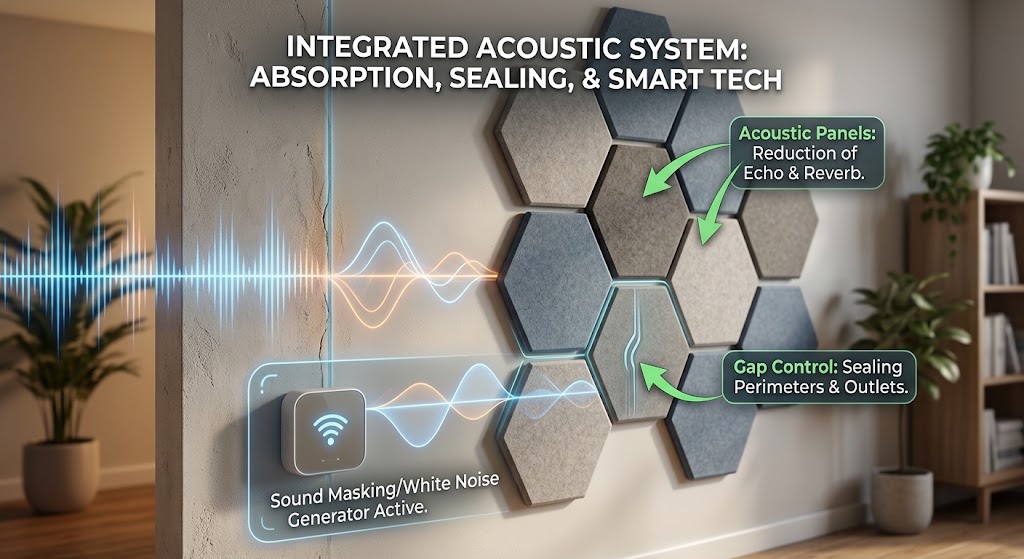
Acoustic panels can reduce echo, but they do not truly soundproof a shared apartment wall. Here is how renters can combine absorption, gap control, sound masking, and smart tech for a noticeably quieter space.

These renter-friendly smart home upgrades add automation, energy savings, safety, and comfort without drilling holes or changing permanent wiring.
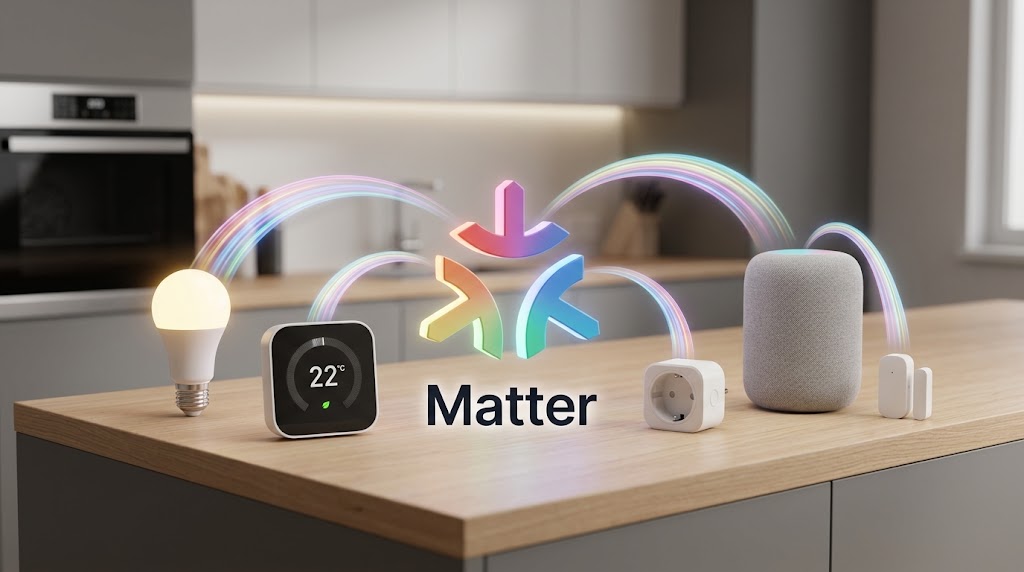
Matter 1.6 is the latest smart-home interoperability standard in 2026. Learn what Matter actually does, how Thread and Wi-Fi fit in, and when you should insist on Matter certification.
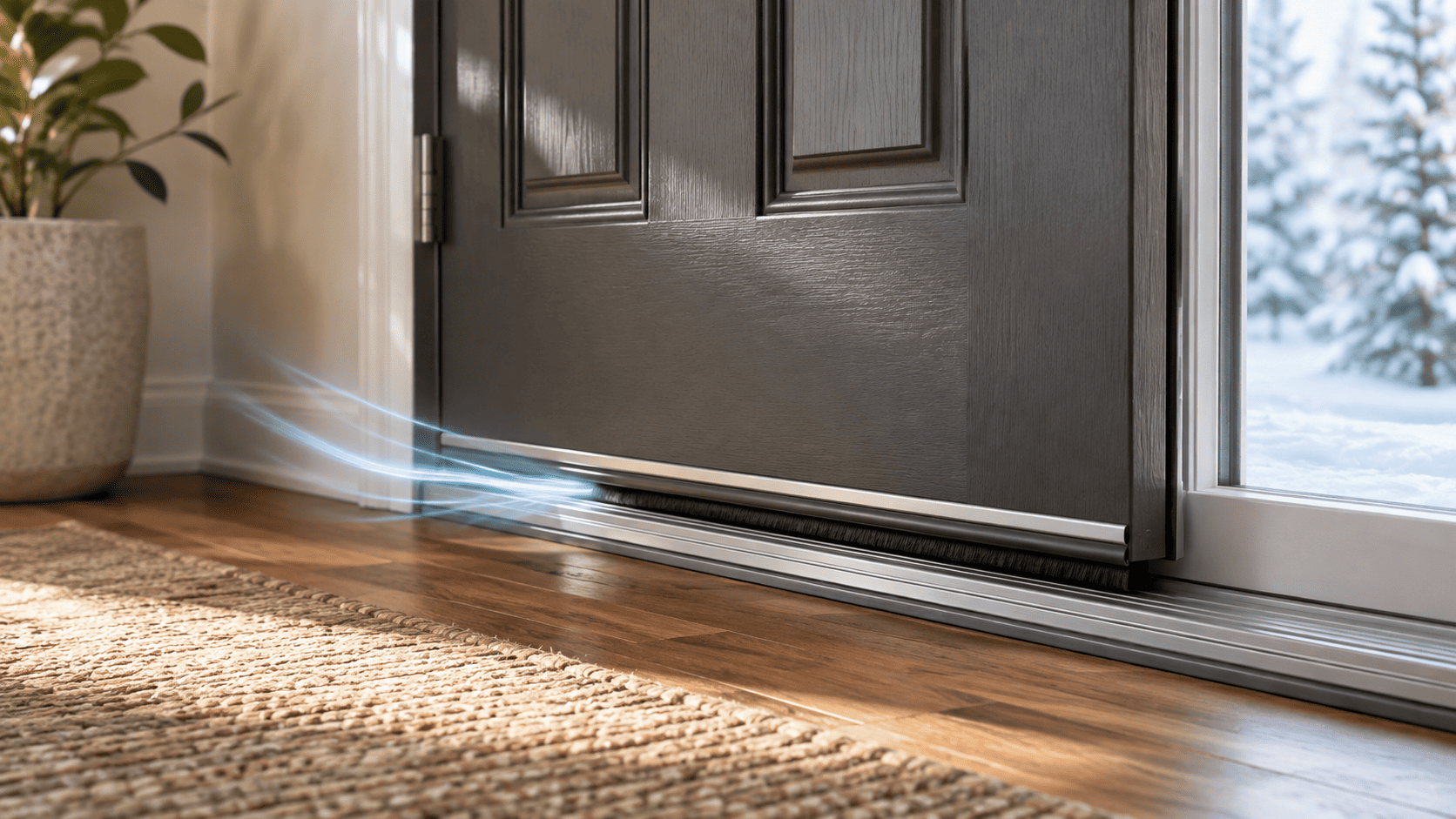
Cold air under an exterior door usually comes from a worn sweep, misadjusted threshold, tired weatherstripping, or unsealed trim. Here is how to fix it without replacing the frame.

Seven overlooked thermostat and HVAC settings can cut wasted heating runtime, reduce expensive backup heat, and improve winter efficiency without replacing your system.
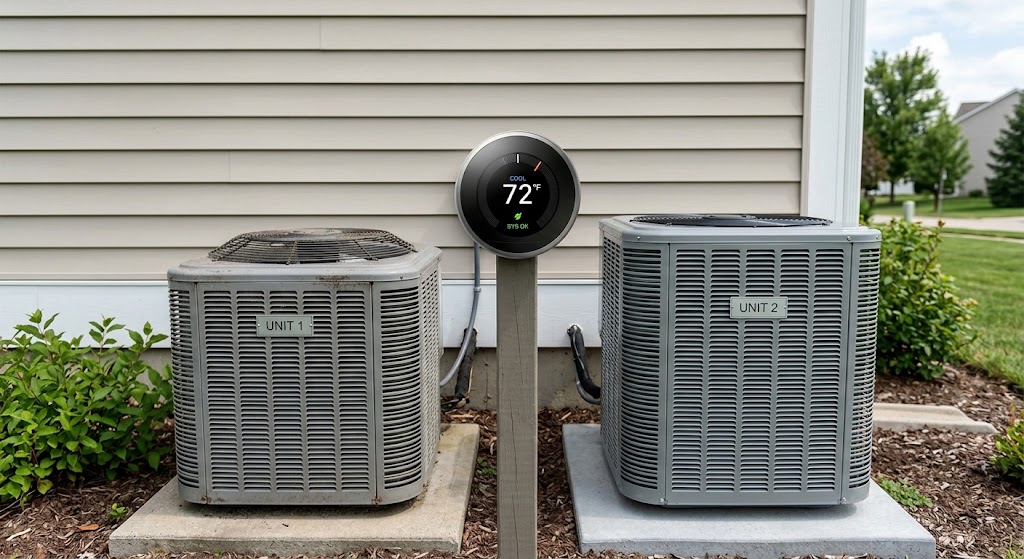
Two-stage HVAC gives a compatible smart thermostat more capacity control, while single-stage systems still benefit from scheduling, sensors, and smarter runtime management.
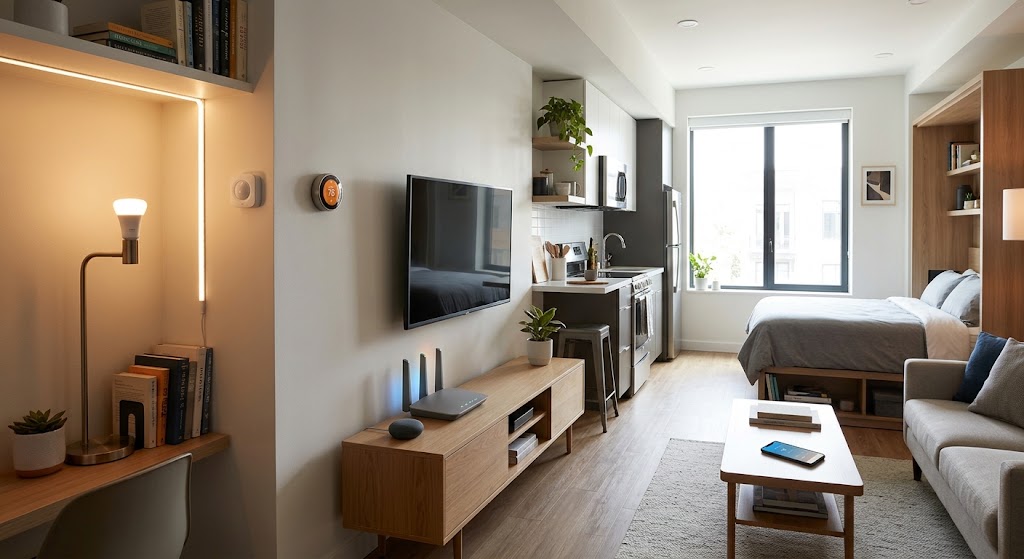
Build a responsive studio-apartment smart home without overloading Wi-Fi by using one well-placed router, Matter over Thread for low-bandwidth devices, and Wi-Fi only where it makes sense.
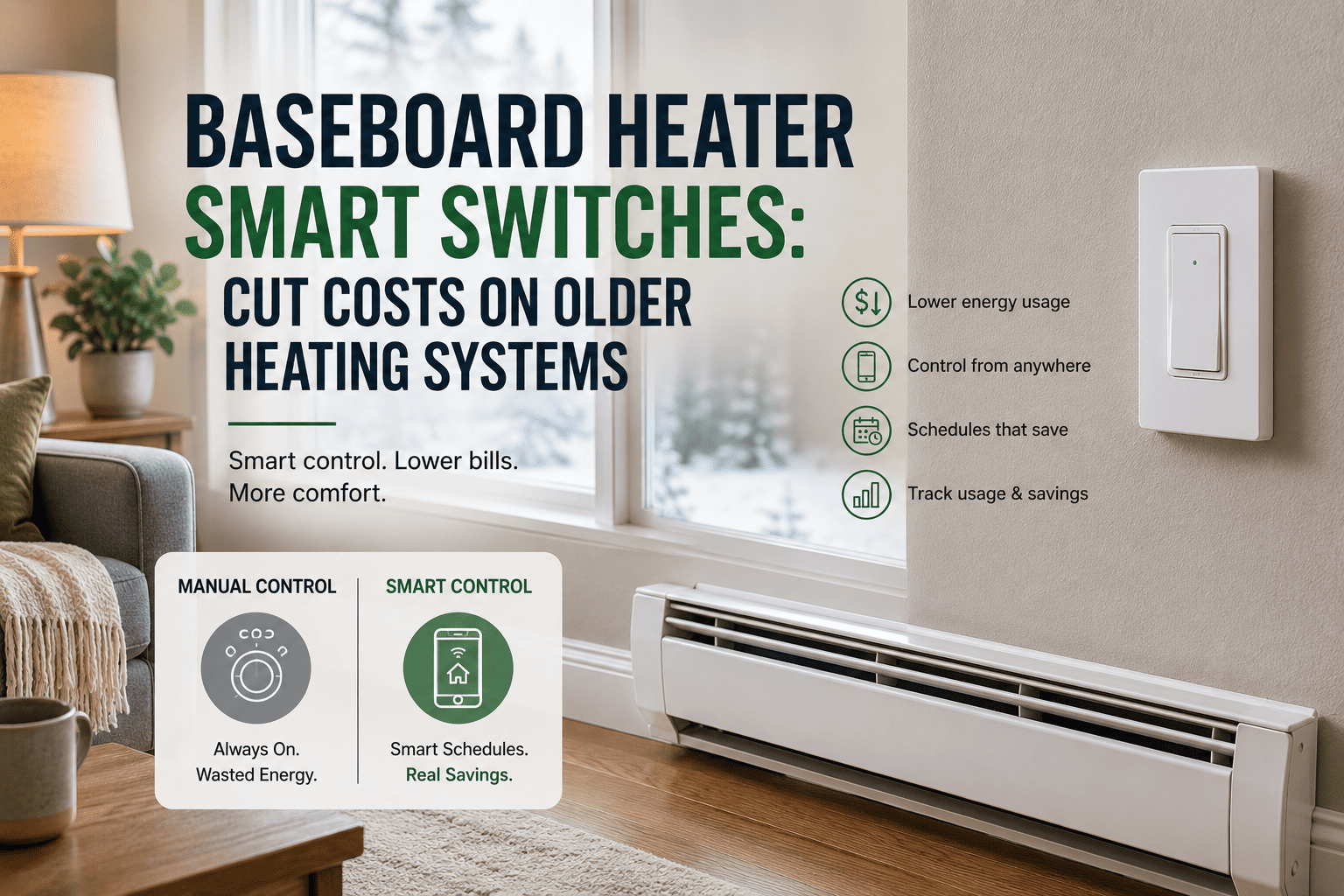
Smart controls can make old electric baseboard heating cheaper to run by scheduling setbacks and controlling rooms independently—but only with the right line-voltage hardware.
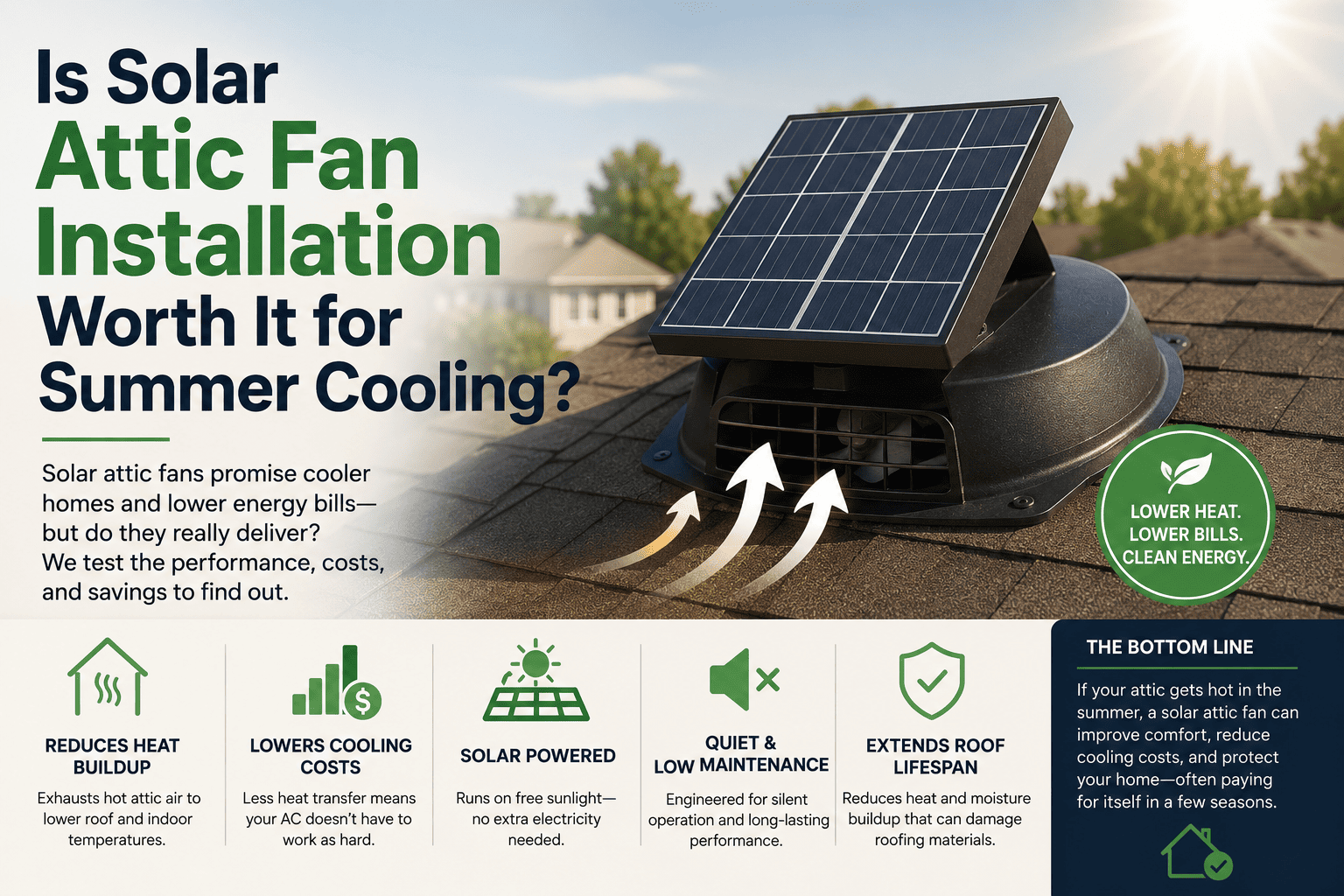
Solar attic fans can lower attic temperatures, but the cooling-bill payoff is often smaller than expected. Here is when they help, when they can backfire, and what to fix first.

Heat pumps are more energy-efficient, but gas furnaces can still win on upfront cost or local fuel economics. Here is the 2026 comparison.

A practical, data-first guide to comfort, schedules, occupancy sensing, and where real household savings come from.