The EU Cyber Resilience Act: A Smart-Home Buyer’s Guide
The EU’s Cyber Resilience Act is changing cybersecurity expectations for connected products. Here is what smart-home buyers should check as its rules take effect.

SmartAbodeLab author
Smart Home & Urban Living Editor
Daniel writes about connected-home standards, small-space technology, device interoperability, and privacy-conscious urban living.
The EU’s Cyber Resilience Act is changing cybersecurity expectations for connected products. Here is what smart-home buyers should check as its rules take effect.
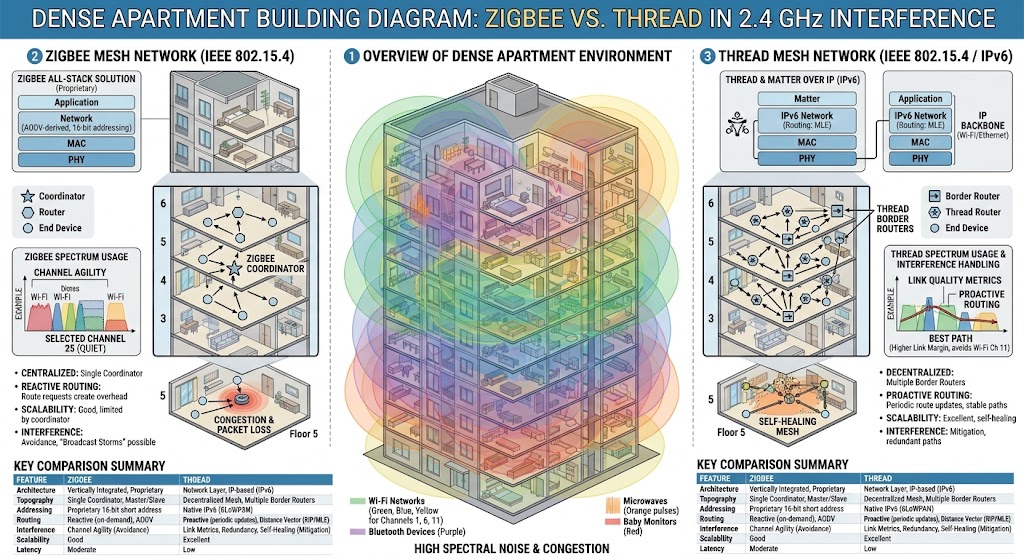
Zigbee and Thread share the same low-power 2.4 GHz radio foundation, so dense-apartment reliability depends more on RF congestion, mesh topology, and infrastructure than protocol branding.
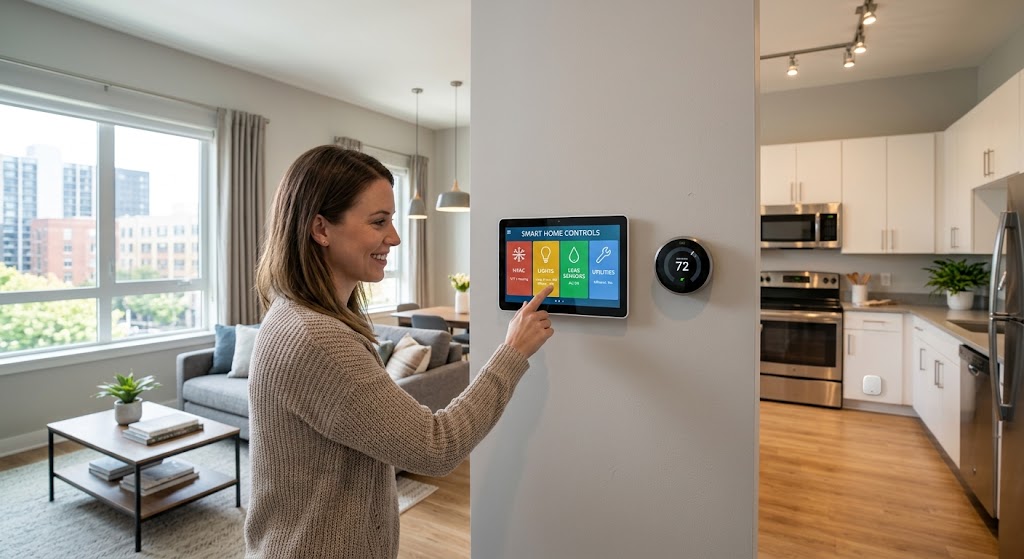
Prioritize rental upgrades that reduce operating costs, prevent damage, and improve tenant convenience without overbuilding a fragile smart-home stack.
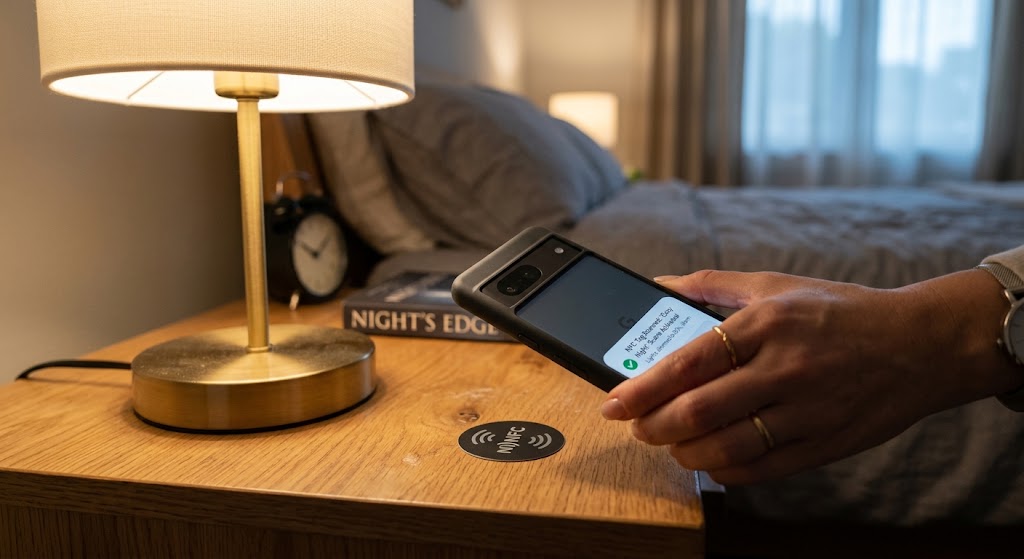
Use inexpensive NFC tags as intentional one-touch lighting controls for bedside scenes, entryways, desks, and whole-home off routines without adding wall switches.
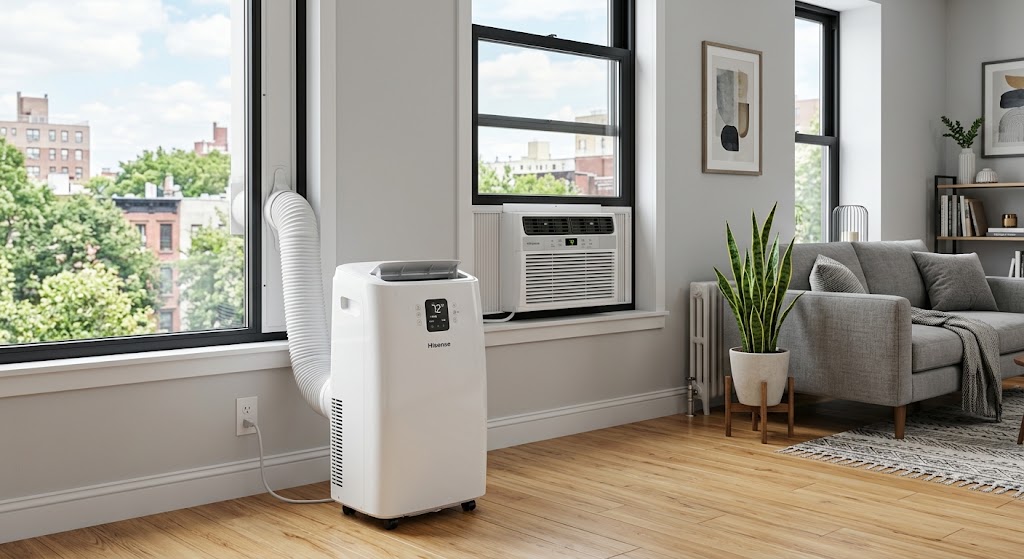
Window ACs usually win on cooling efficiency, while portable smart ACs win on installation flexibility; noise depends heavily on compressor and airflow design.
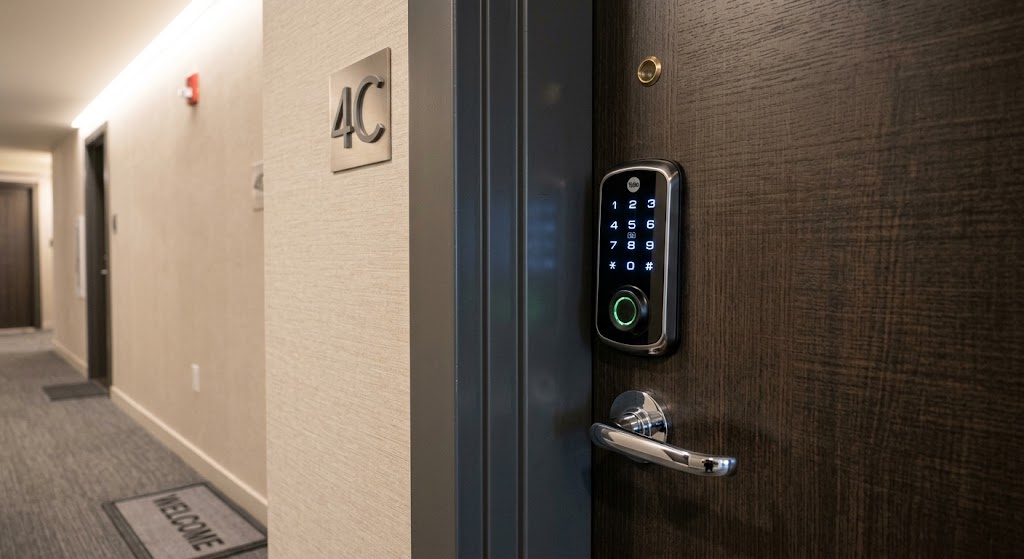
Fingerprint locks are faster for regular residents, while keypad locks are easier to share; apartment buyers should prioritize fallback access, lease rules, and lock quality.
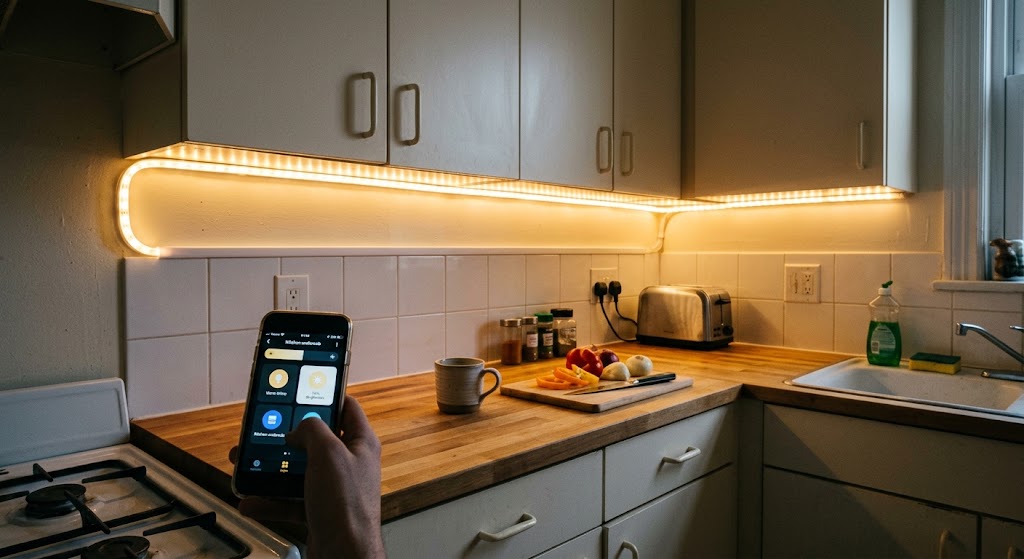
Build useful under-cabinet lighting automations with plug-in LED strips, removable mounting, motion sensing, and renter-safe controls.
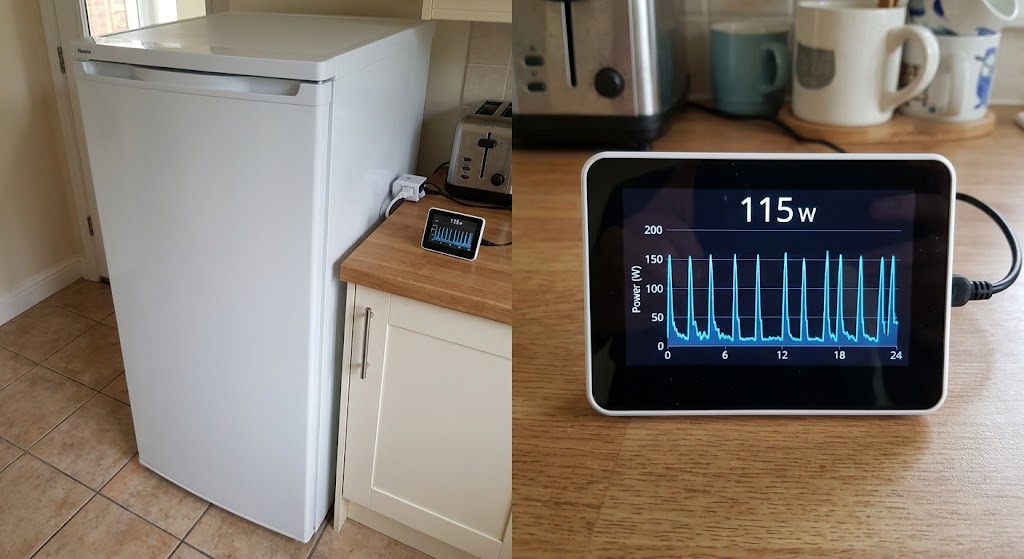
Energy monitoring can reveal abnormal refrigerator power patterns before a breakdown, but it works best as an early-warning tool rather than a motor-failure diagnosis.
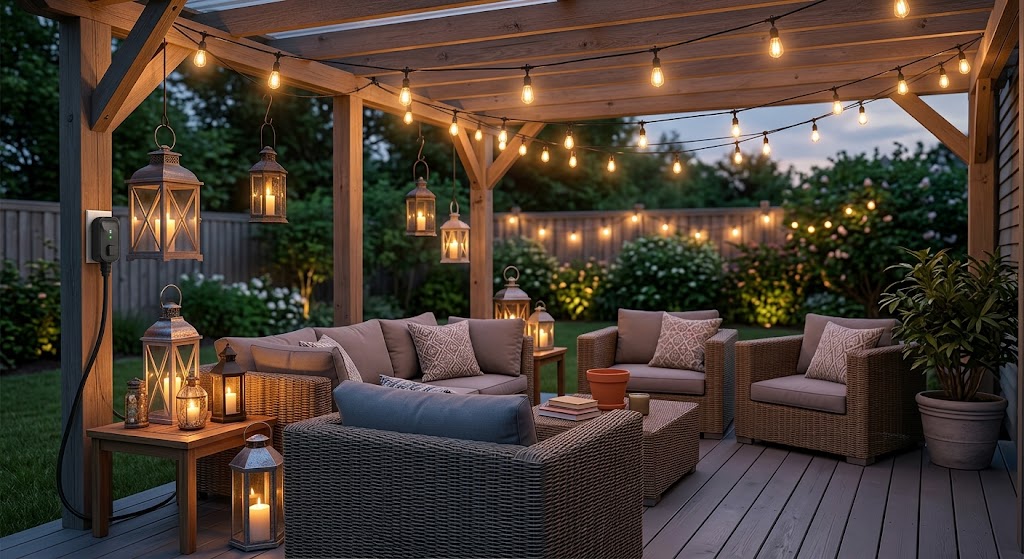
Choose the right outdoor smart plug for patio lighting by comparing weather resistance, Matter support, dimming, schedules, outlet control, and safety.
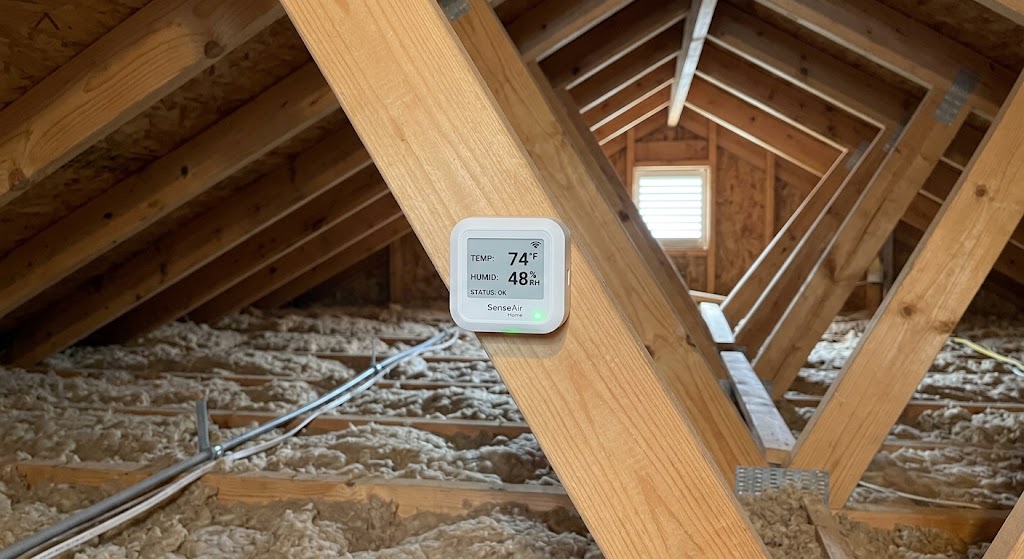
Use smart humidity sensors to catch attic moisture trends before autumn rain exposes roof leaks, condensation, air leakage, or ventilation problems.
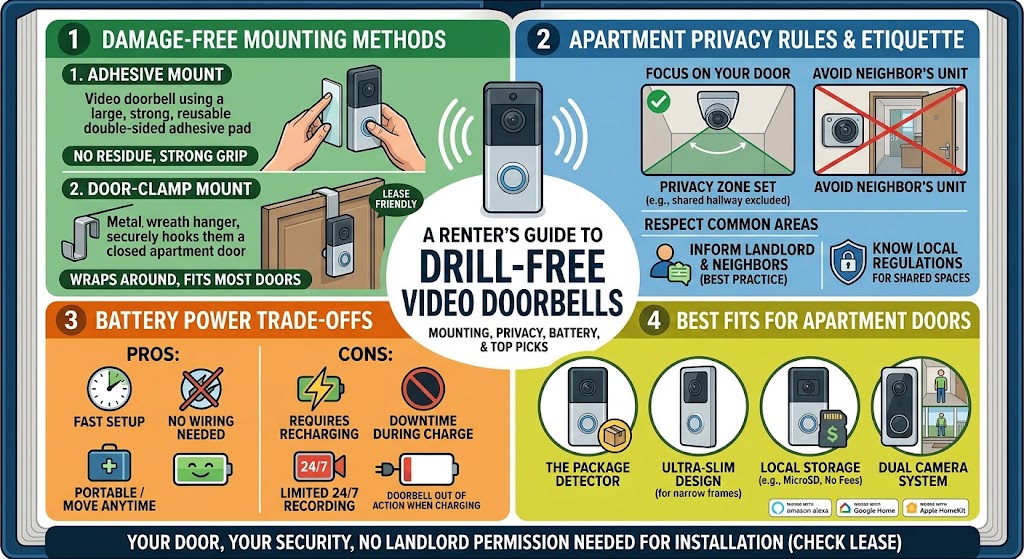
A renter-focused guide to drill-free video doorbells, mounting methods, privacy rules, battery trade-offs, and the best fits for apartment doors.
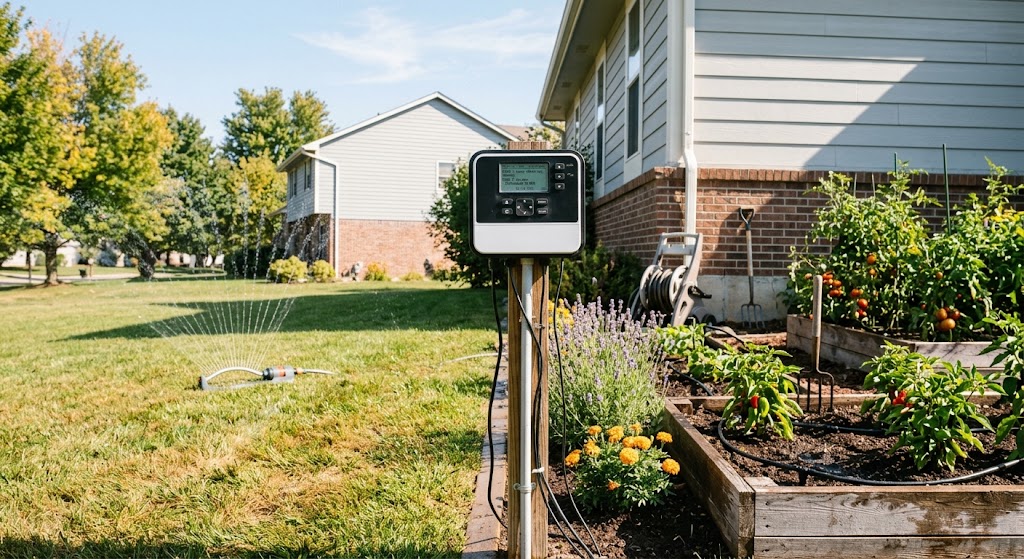
Tune a smart irrigation schedule for late summer by matching watering volume to weather, soil moisture, plant needs, and seasonal changes instead of leaving peak-summer runtimes unchanged.
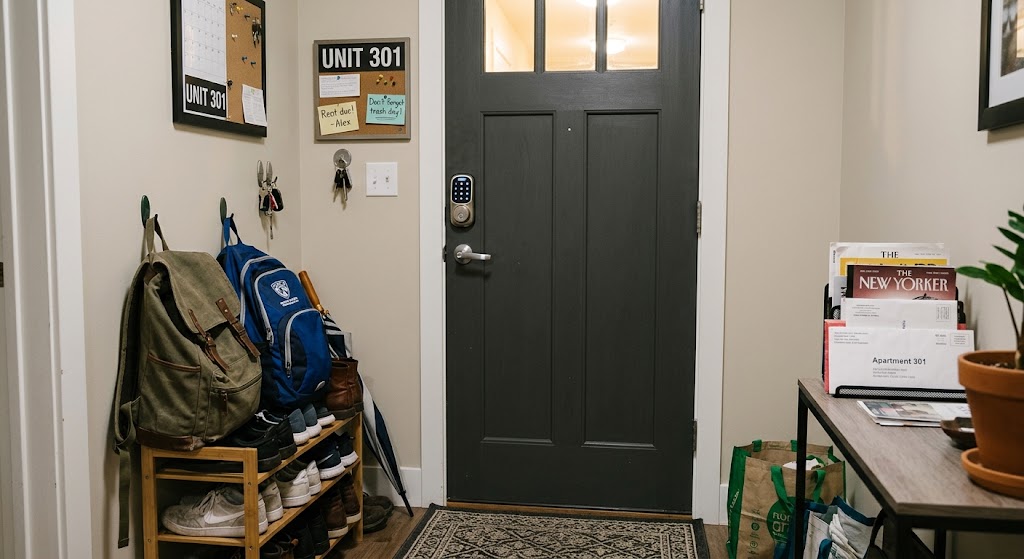
Set up a smart lock for college roommates with separate access, safer admin permissions, guest codes, move-out rules, and reliable backup entry.
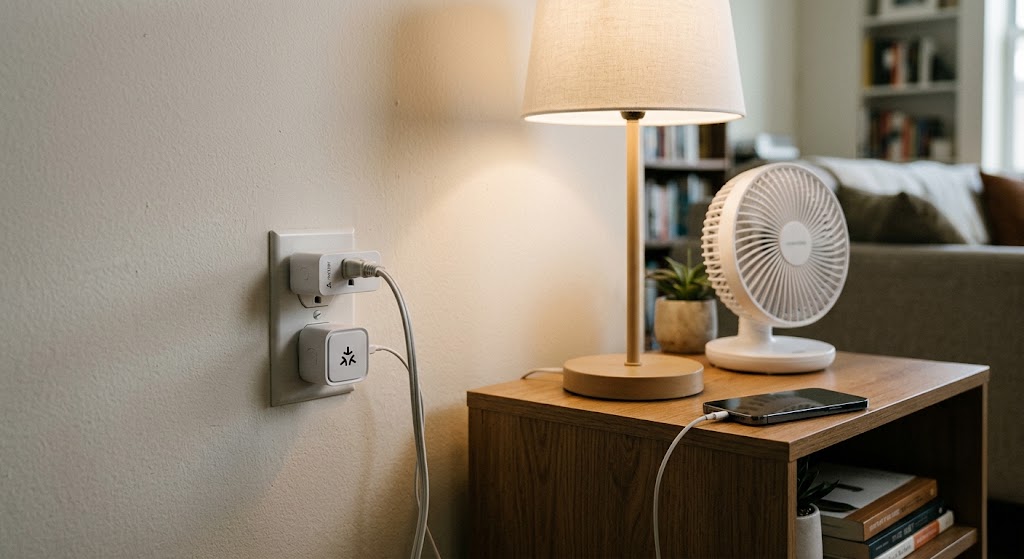
A renter-focused guide to choosing Matter smart plugs in 2026, including Wi-Fi vs Thread, energy monitoring, load limits, and the best current options.
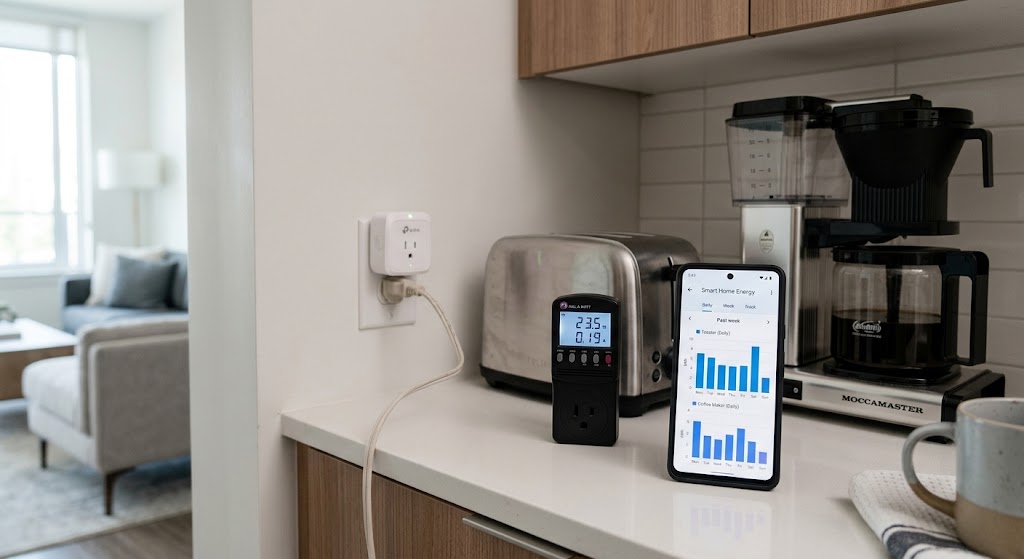
Measure appliance electricity use before a tariff change so you can identify costly loads, estimate their real monthly cost, and cut waste with better data.
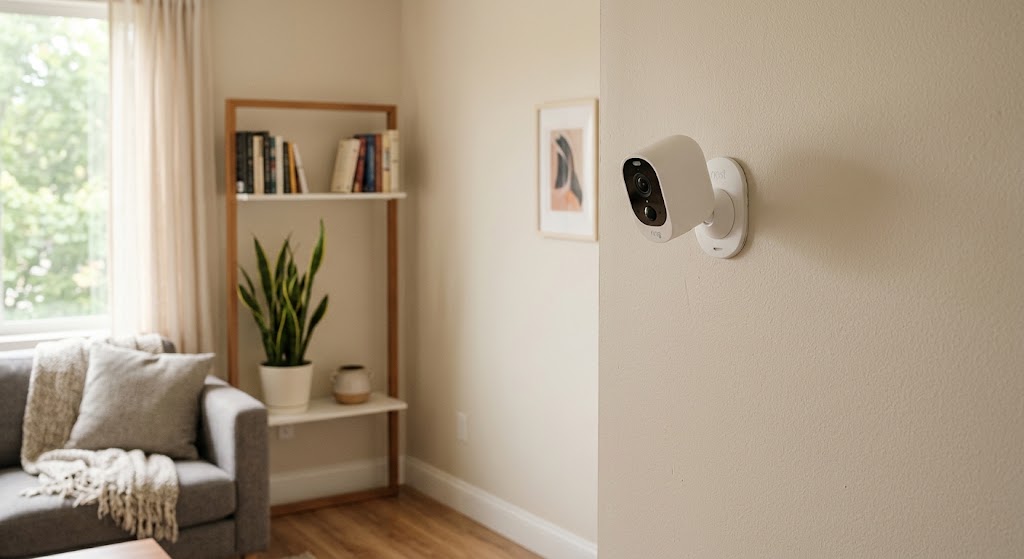
A renter-focused guide to choosing removable camera mounts that balance wall protection, camera stability, viewing angle, and safe removal.
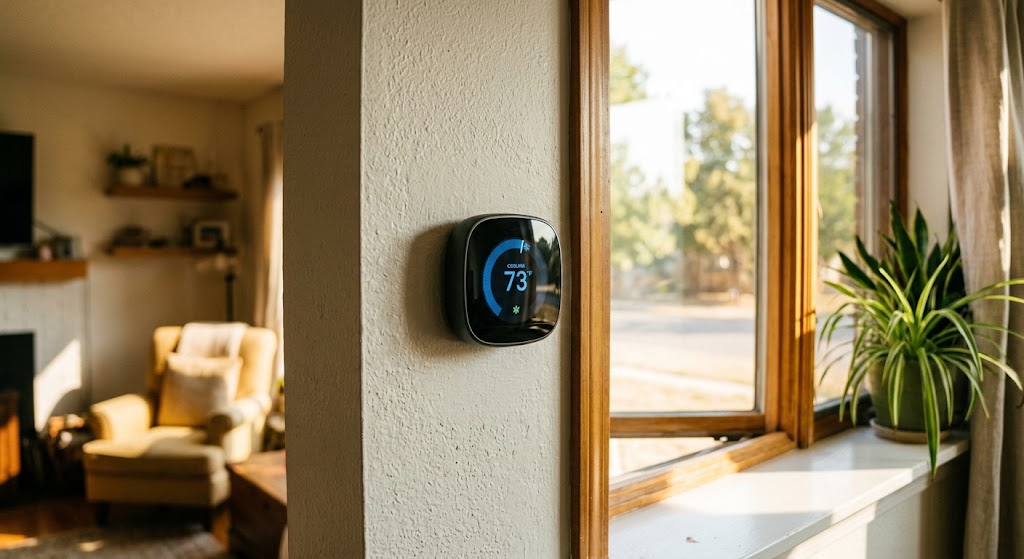
Use smarter cooling schedules, sensible setpoints, humidity control, room sensors, and maintenance checks to stay comfortable during late-summer heatwaves without wasting energy.
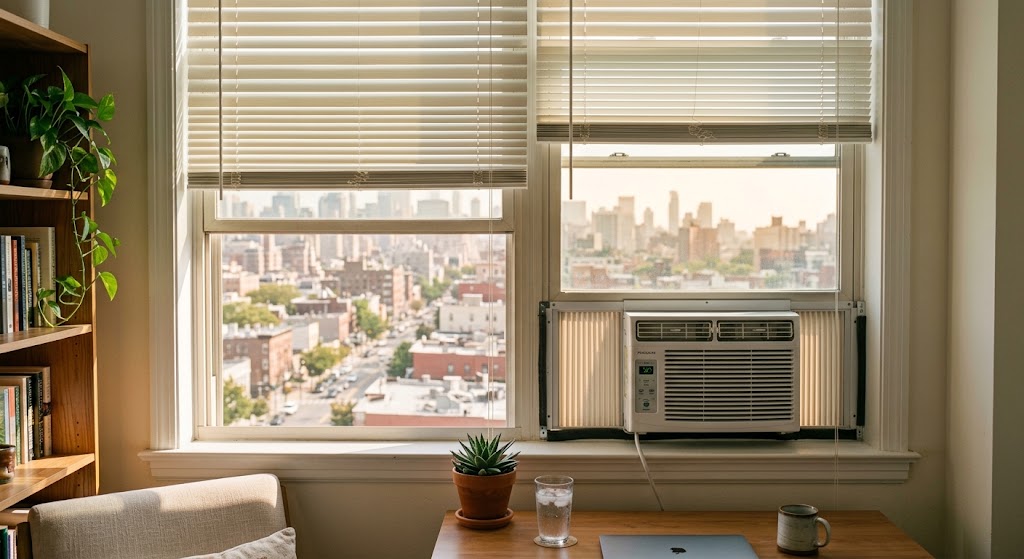
Lower your August cooling bill with practical window AC fixes, smarter settings, and airflow tricks that reduce waste without sacrificing comfort.
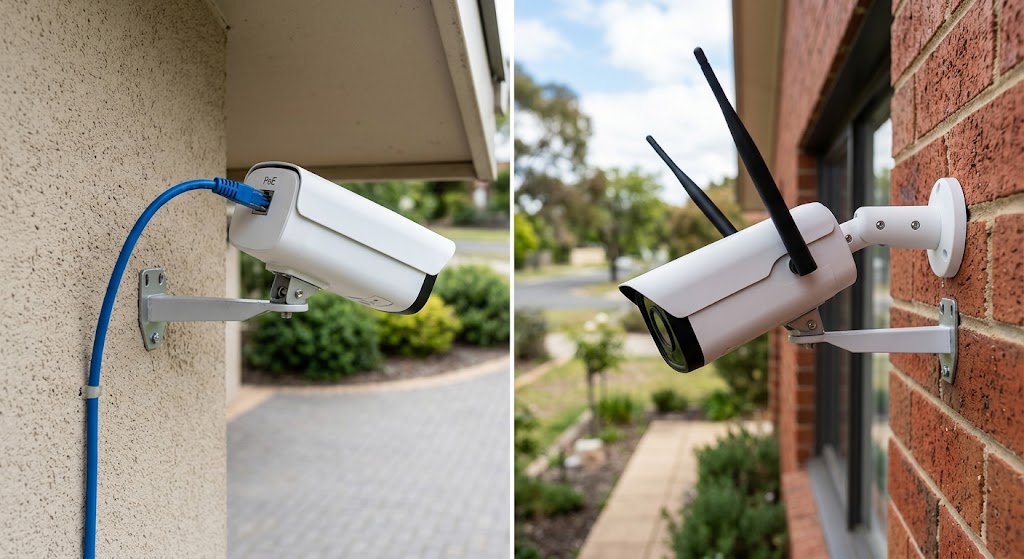
PoE cameras usually deliver the most predictable always-on connection, while Wi-Fi cameras are faster and less invasive to install. Here is how the two approaches compare.
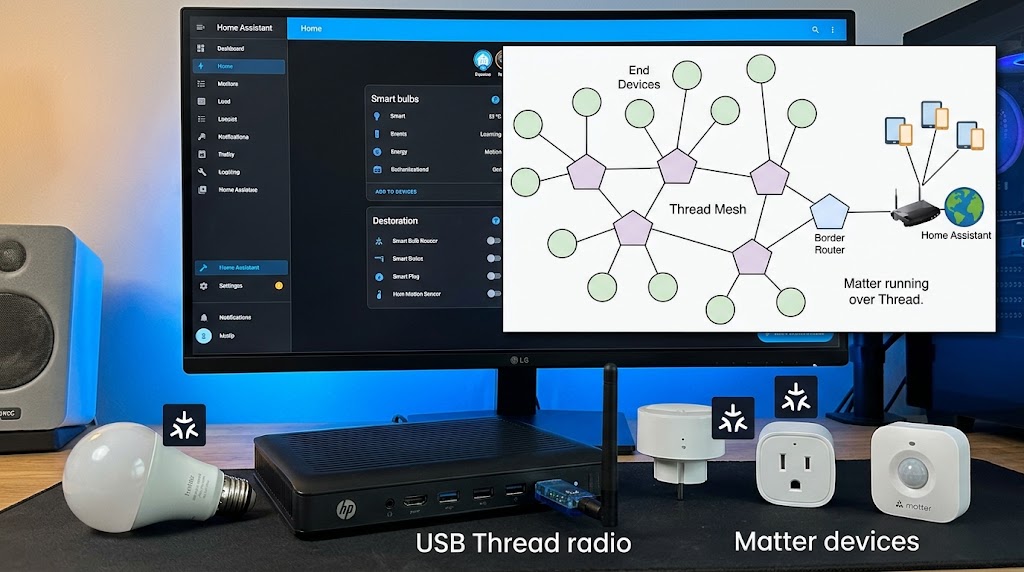
SkyConnect can power a Home Assistant Thread network for Matter-over-Thread devices, but Matter and Thread are different layers—not two radio modes. Here is the correct 2026 setup.
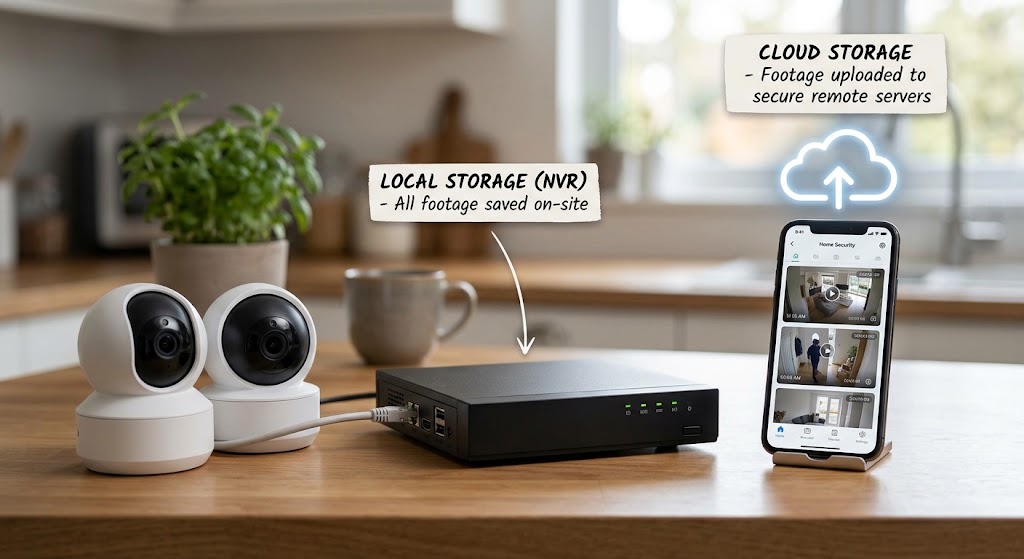
Local security cameras cost more upfront but can eliminate years of cloud fees. Here is the real 2026 cost breakdown for local NVR, HomeBase, microSD, Ring, Arlo, and eufy cloud plans.
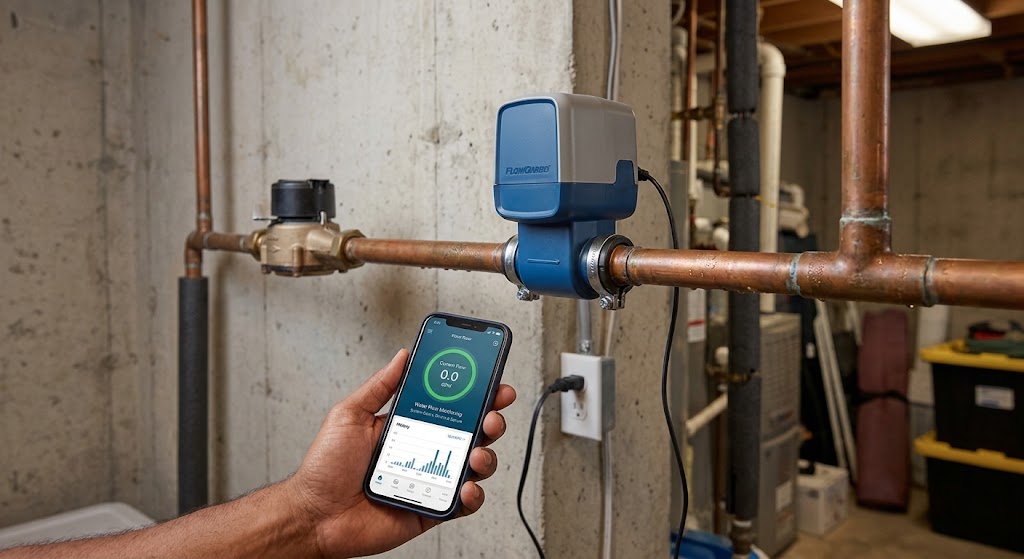
Smart water shutoff valves can automatically stop a major plumbing leak before it becomes a catastrophic claim—and some insurers reward that risk reduction with policy discounts.
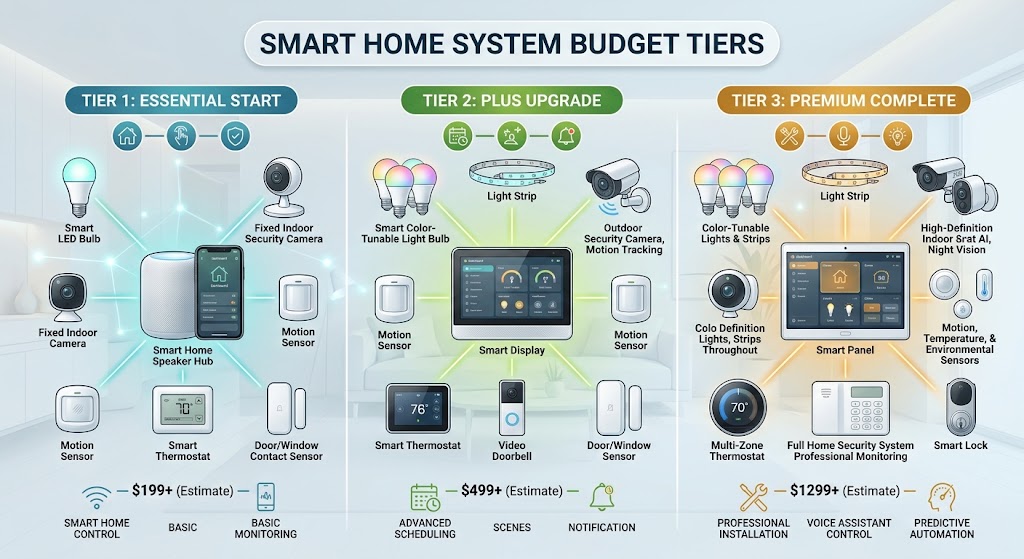
Three practical 2026 smart-home builds for $500, $1,500, and $5,000, with current pricing, local-first architecture, Matter/Zigbee/Thread strategy, security, safety, and upgrade priorities.
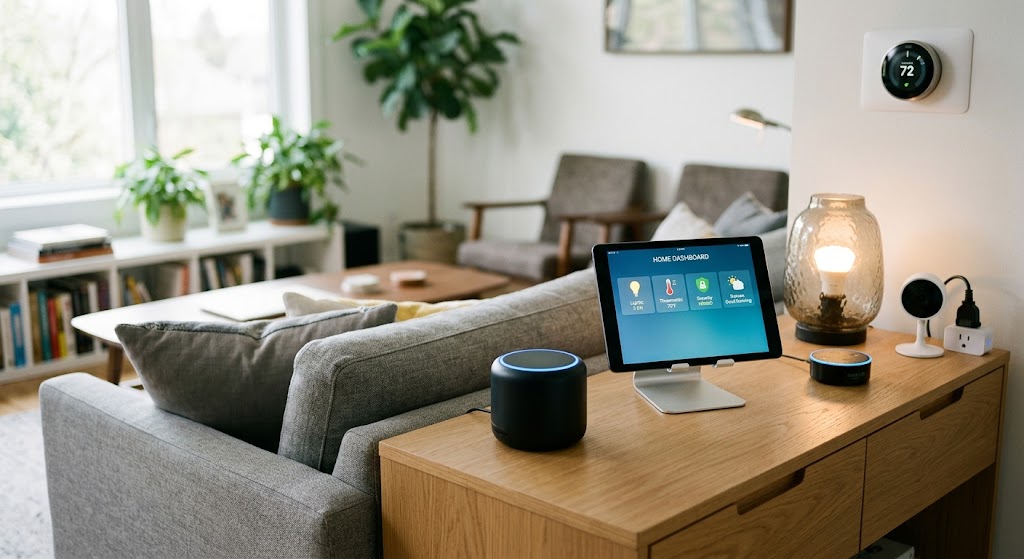
Home Assistant lets you run automations, dashboards, and device control on hardware inside your home. This beginner guide shows the cleanest 2026 path to a private, local-first setup.
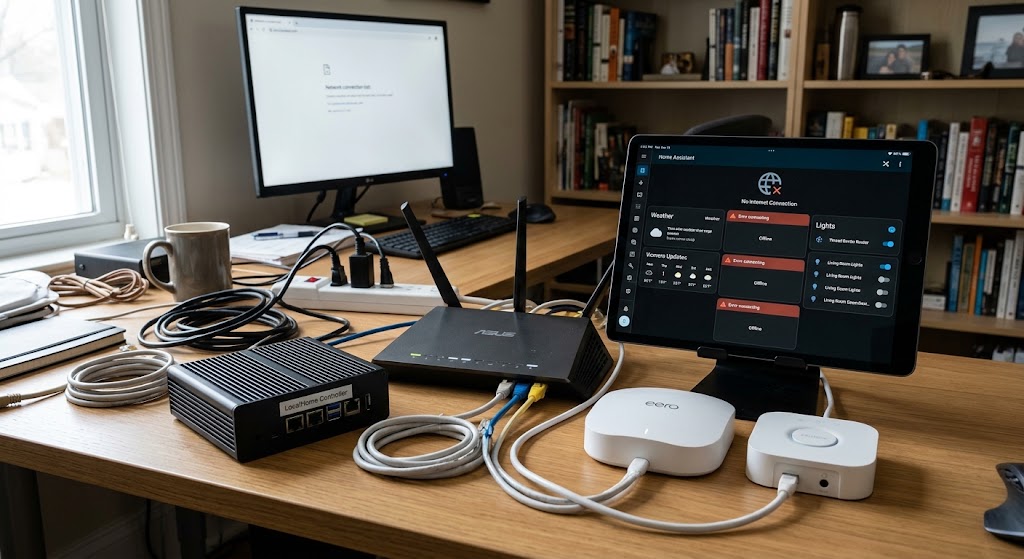
Build a local-first smart home that keeps critical lights, sensors, locks, and automations working during internet outages—and can keep core automations alive even when the Wi-Fi access point itself fails.
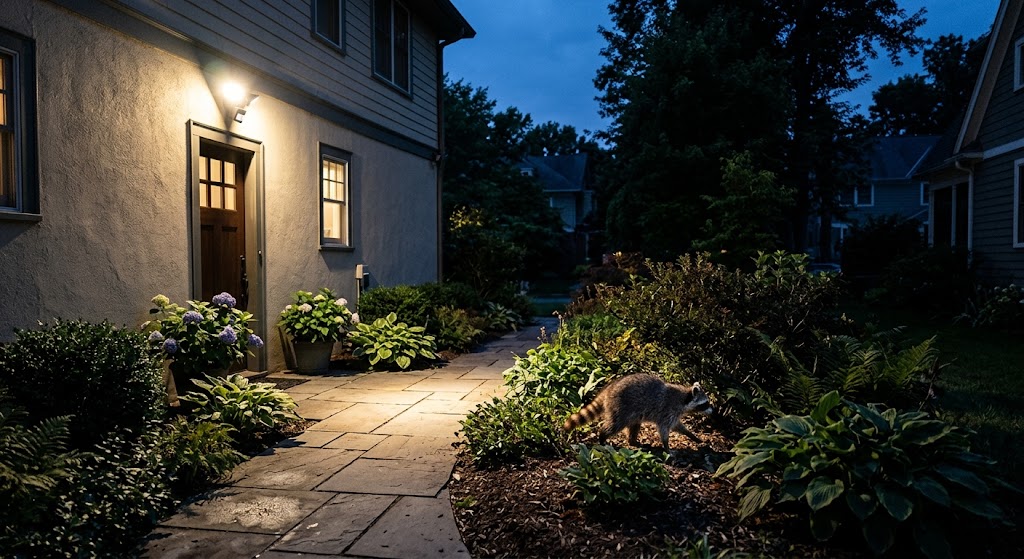
Outdoor motion lights that trigger for cats, raccoons, birds, or swaying branches usually need better sensor placement, sensitivity, and detection-zone control rather than a brighter fixture.
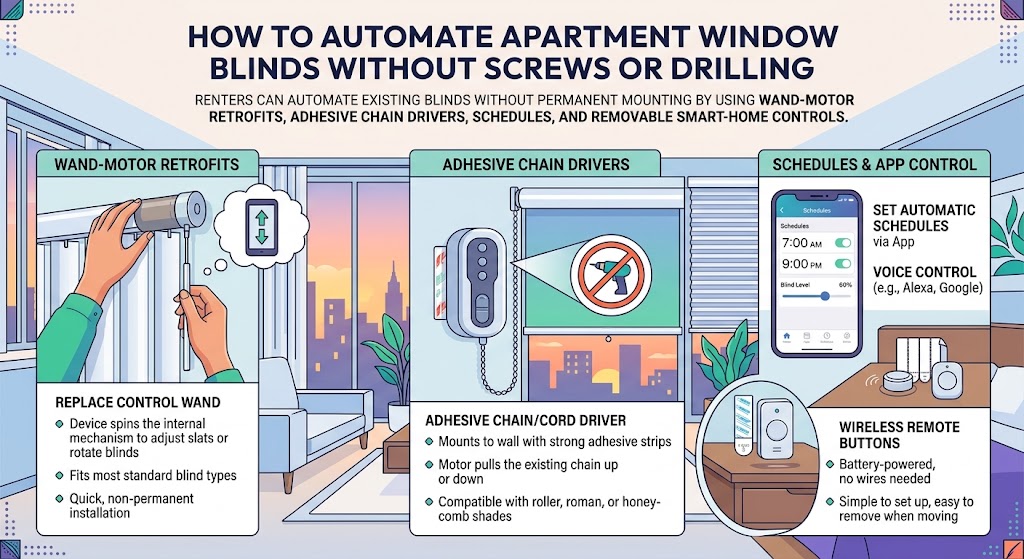
Renters can automate existing blinds without permanent mounting by using wand-motor retrofits, adhesive chain drivers, schedules, and removable smart-home controls.
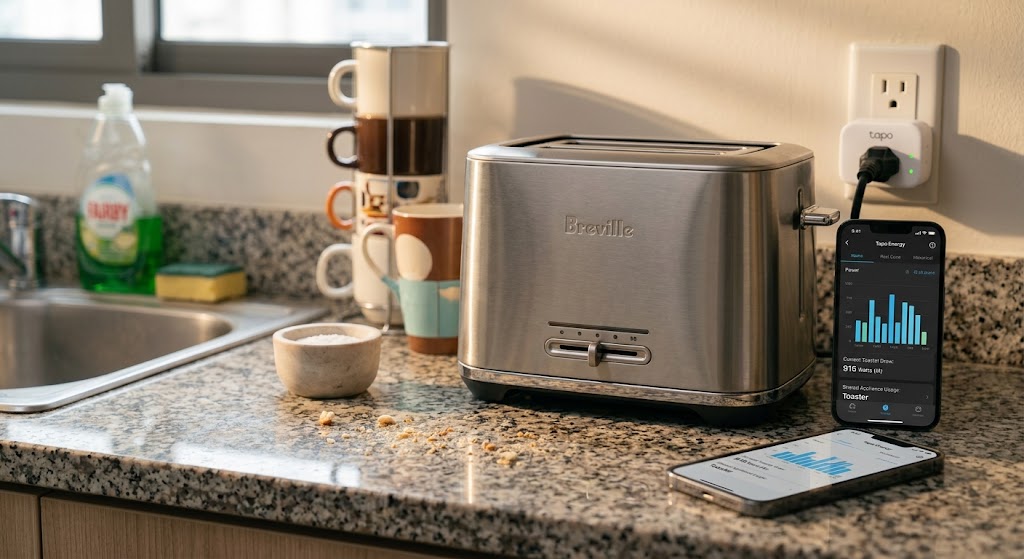
Smart plugs with energy monitoring can show how much electricity individual appliances use in a shared rental. These are the strongest 2026 picks for transparent roommate energy tracking.
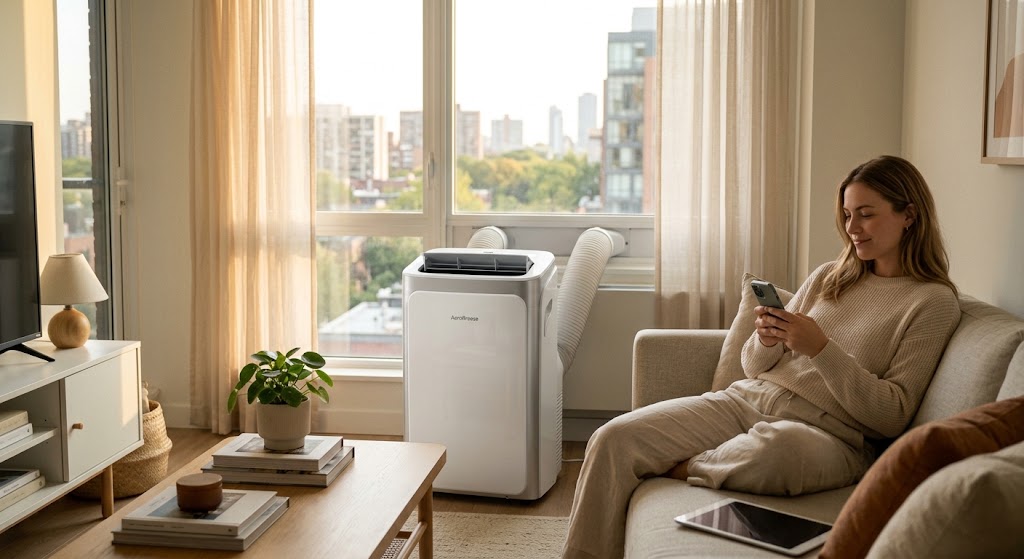
The best portable smart ACs for apartments combine inverter compressors, low published noise, DOE SACC capacity, efficient dual-hose airflow, and useful app controls. Here are the strongest 2026 picks.

Build smarter lighting that turns on only when a room is occupied and actually dark. This guide combines motion or presence sensing, ambient lux thresholds, timeouts, hysteresis, and Home Assistant automation logic.

Turn outdoor lights into a coordinated security response. This guide shows how to connect alarm states, door sensors, motion events, cameras, and Home Assistant so perimeter lighting activates only when it should.

Prepare your smart home before freezing weather with a practical 10-item checklist covering thermostats, pipes, leak sensors, smoke and CO alarms, outdoor devices, backup power, batteries, automations, and outage testing.
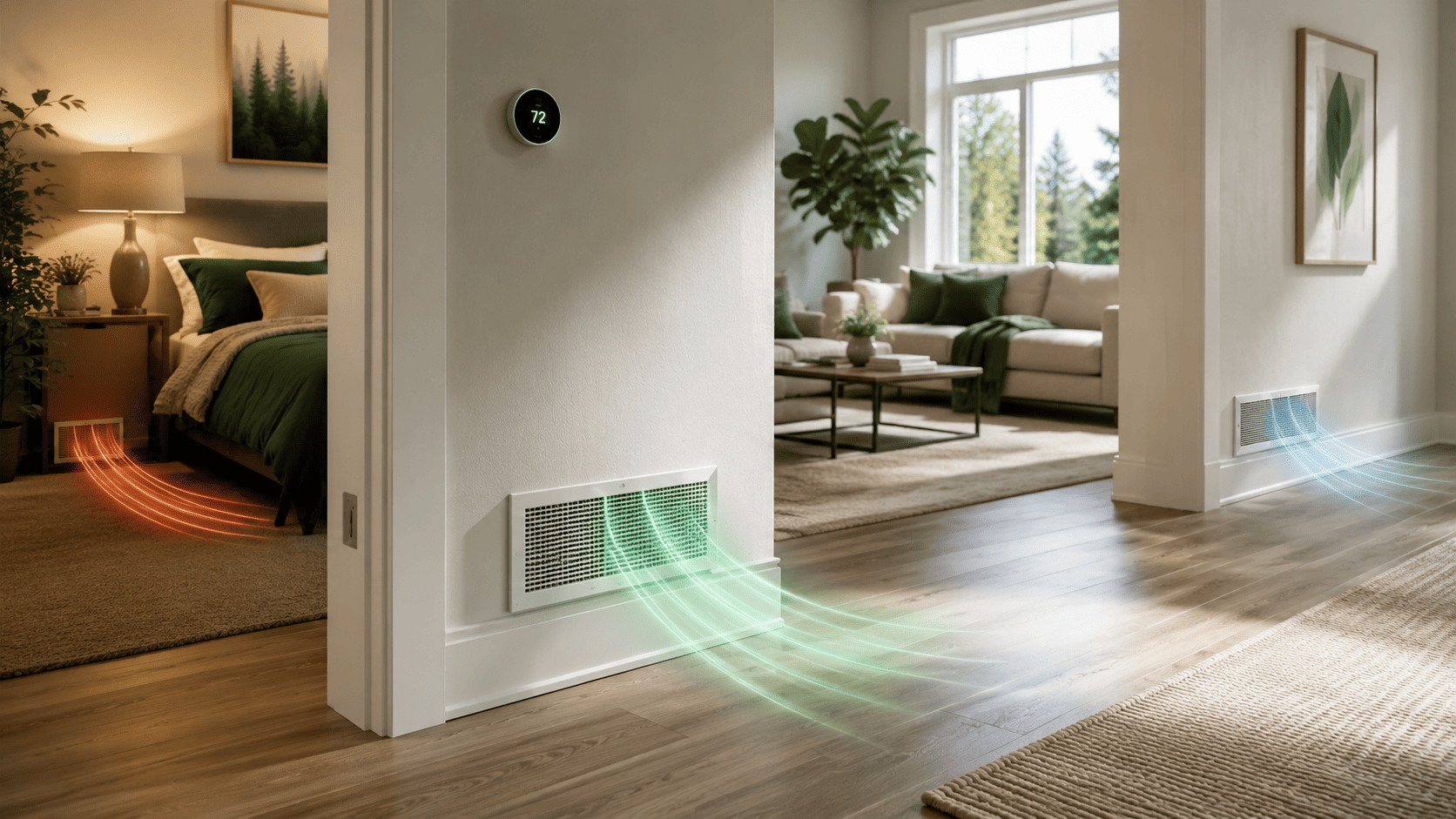
Smart vent covers can improve room-by-room comfort, but their energy savings are less certain than many homeowners expect. Here is how to judge whether they are worth buying.
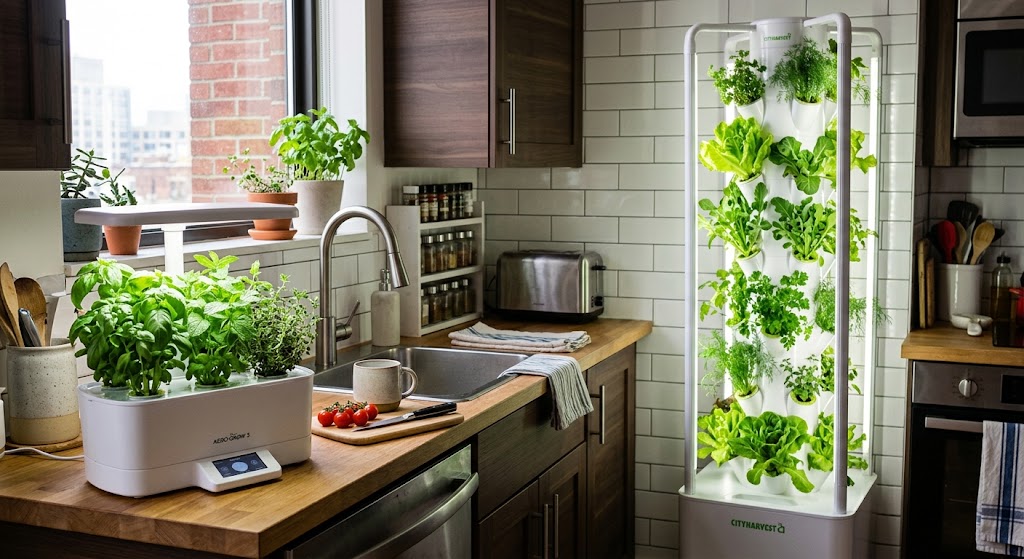
Compact hydroponic gardens can grow herbs and greens year-round without soil. These are the strongest 2026 options for small apartment kitchens, from 3-pod countertop units to vertical 16-plant systems.
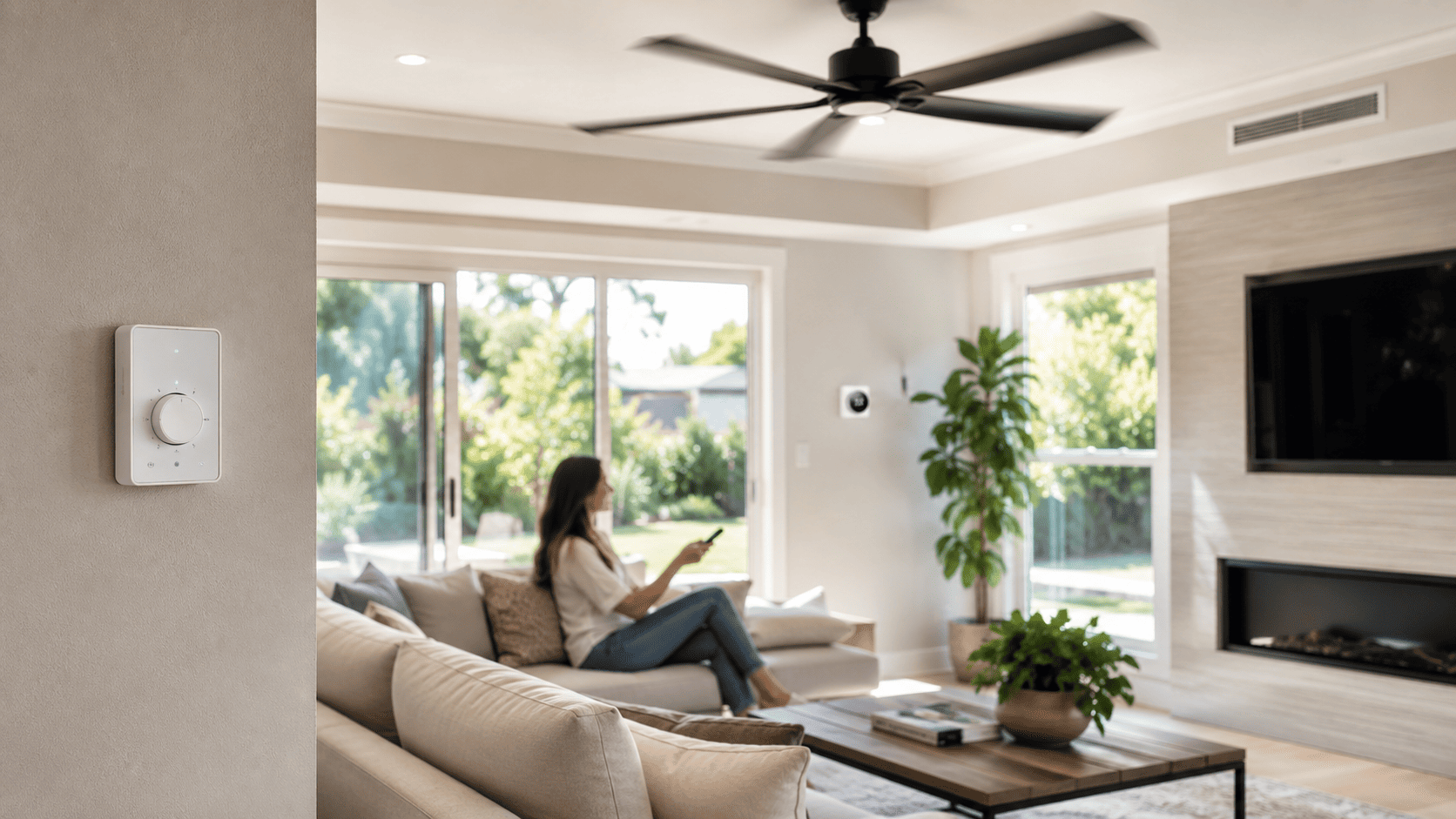
A smart ceiling fan controller can reduce cooling costs when it helps you run the fan only when people are present and raise the AC setpoint at the same time. Here is the real summer tradeoff.

A realistic solar-battery payback calculation must include export rates, time-of-use savings, efficiency losses, degradation, incentives, financing, and the value you place on backup power.

Smart bulbs, plugs, cameras, and thermostats dropping offline? These router settings address the most common 2.4 GHz, WPA3, roaming, isolation, channel, and mesh compatibility problems.

Thread is the strongest choice for new Matter-first smart homes in 2026, while Zigbee remains the value and device-selection leader and Z-Wave excels in sub-GHz reliability, security, and long-range installations.

Wrong thermostat placement can distort temperature readings, increase HVAC runtime, and quietly undermine both comfort and energy savings.